
Romania Solar Capacity Hits 8.5 GW Amid Grid and Storage Expansion
Romania’s solar fleet surpassed 8.5 GW by mid-2026, driven by rapid permitting and a record 2.2 GW installed last year. The country is simultaneously expanding utility-scale battery storage and implementing new auction mechanisms for grid connections.
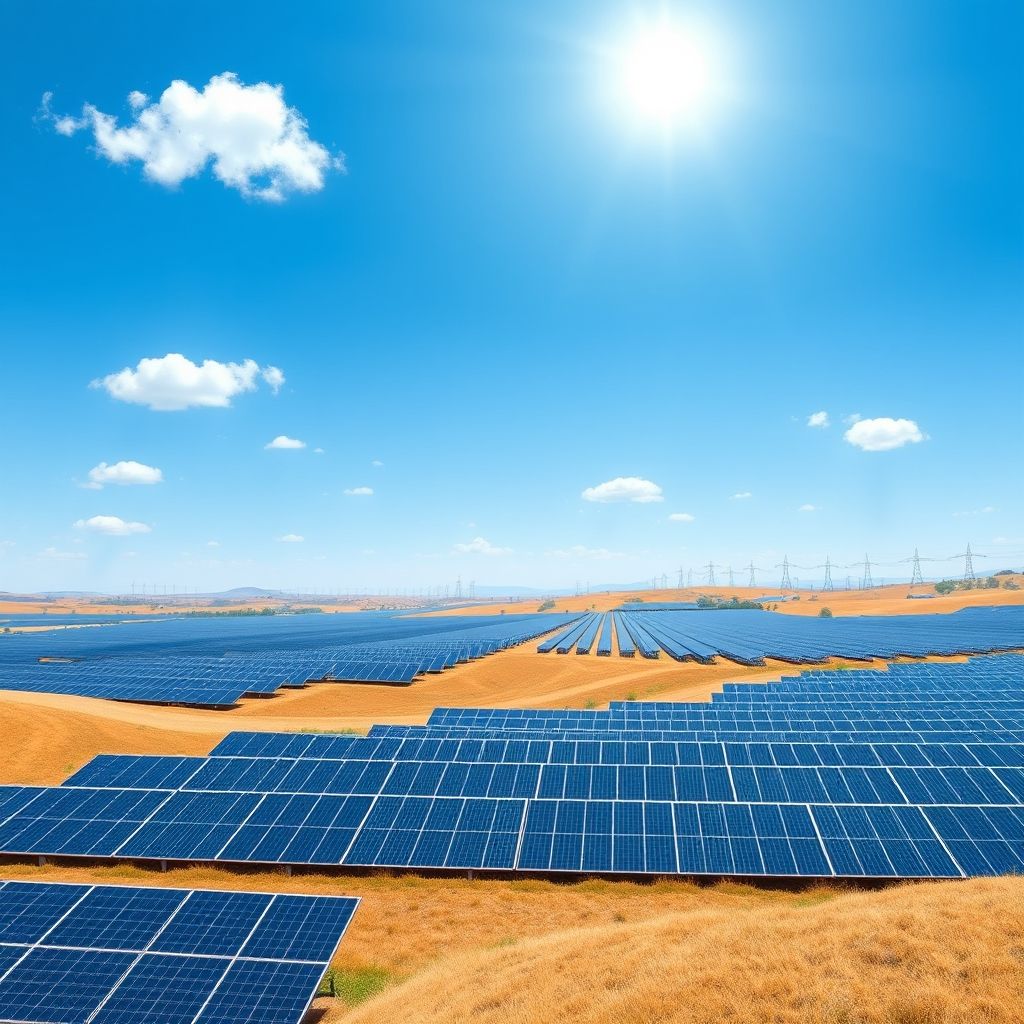
Florian Wessendorf described Romania as “the new renewables champion of Europe,” a characterization that reflects the country’s recent surge in solar deployment. According to data reported by pv magazine, the nation installed approximately 2.2 GW of solar power last year. This substantial annual addition contributed to a broader expansion of the grid and storage infrastructure, supporting the integration of variable renewable energy sources into the national system.
The cumulative solar capacity surpassed 8.5 GW by mid-2026, marking a significant milestone for the country’s energy transition. This growth underscores the increasing importance of solar in Romania’s power mix, although it remains a variable source that requires complementary storage solutions to ensure reliability. The reported figures highlight the scale of recent investments and the technical challenges associated with managing such a large share of intermittent generation on the grid.
Policy and Permitting
Streamlined administrative processes have emerged as a decisive factor in accelerating Romania’s solar buildout. Irene Mihai and Mihaela Nyerges identified quick permitting as a primary enabler for the sector’s rapid expansion. Reducing bureaucratic friction allows developers to move from land acquisition to construction with greater speed, minimizing the capital tied up in pre-construction phases. This efficiency is particularly valuable in markets where grid connection queues can extend project timelines by years, directly impacting the financial viability of renewable energy investments.
Beyond procedural speed, the regulatory framework is evolving to manage the sheer volume of new capacity entering the system. Romania has launched an auction-based mechanism for grid connections, shifting from first-come, first-served models to a competitive allocation process. This approach helps prioritize projects that offer the greatest benefit to grid stability and system efficiency, ensuring that limited connection points are assigned to developments that best support network integration.
Irene Mihai emphasized the need for a “boring” future energy system, a concept that prioritizes reliability and predictability over technological novelty. In practical terms, this suggests a focus on robust, proven infrastructure that operates consistently without dramatic fluctuations or complex manual interventions. Such a system reduces operational risks for utilities and lowers costs for consumers, creating a stable environment where high levels of renewable penetration can be sustained without compromising power quality or system security.
Storage and Grid Resilience
- Romania surpassed 1 GW of utility-scale battery storage capacity this year.
- Andrei Manea noted drought and low Danube water levels disrupted power generation.
The addition of over a gigawatt of utility-scale batteries represents a critical shift in how the grid manages variability. Battery systems can respond to frequency imbalances within milliseconds, offering a level of agility that traditional thermal or hydro units cannot match. This speed is essential for stabilizing the network as solar output fluctuates with cloud cover or daylight cycles. By absorbing excess generation during peak sunlight hours and releasing it during demand spikes, these assets help maintain voltage stability and prevent curtailment of renewable output. The scale of this deployment indicates a maturing market where storage is becoming a standard component of project economics rather than an optional add-on.
While storage addresses short-term fluctuations, long-term reliability also depends on the diversity of generation sources. Andrei Manea highlighted that drought conditions and consequently low water levels in the Danube River disrupted conventional power generation. Such hydrological variability underscores the vulnerability of relying heavily on a single renewable source, particularly hydroelectricity, which is sensitive to seasonal precipitation patterns. The integration of battery storage provides a buffer against these natural variances, allowing the grid to maintain balance even when dispatchable hydro capacity is constrained. This layer of flexibility is vital for ensuring consistent power supply to consumers and industrial users, reducing the risk of blackouts during periods of high demand or low renewable availability. The combination of large-scale solar, expanding storage, and diversified generation sources creates a more resilient energy system capable of withstanding both technological and climatic challenges.
Future Targets and Projects
Romania has set a clear trajectory for its solar expansion, targeting 10 GW of installed capacity by 2030. Given the pace of recent installations, industry projections suggest this milestone could be achieved well before the end of next year. Accelerating toward such near-term targets requires sustained investment in both generation assets and the supporting infrastructure needed to integrate them. Developers must secure land, financing, and grid connections in a competitive environment where speed often determines project viability. Reaching these capacity levels also places increasing pressure on the transmission network to handle higher volumes of intermittent power, necessitating continued upgrades to maintain system stability.
Beyond national totals, the country is home to the largest planned solar project in the European Union. Such mega-scale developments represent a significant shift in project economics, where unit costs can be reduced through economies of scale. However, they also introduce complex logistical and grid-integration challenges that smaller distributed installations do not face. Managing the output from a single, massive facility requires precise forecasting and robust curtailment protocols to prevent local grid congestion. For investors, these large-scale projects signal confidence in the long-term regulatory stability and market demand for solar power in the region. The presence of the EU’s largest planned solar development highlights Romania’s growing role as a hub for major renewable energy investments, attracting capital that views the market as both scalable and strategically important for the continent’s broader decarbonization efforts.
What to watch
The immediate horizon for Romanian solar development centers on the outcomes of the newly implemented grid connection auctions. Initial results from this competitive allocation process are expected by spring 2027. These results will determine which specific projects secure access to limited connection points, effectively prioritizing developments that offer the greatest benefit to grid stability and system efficiency. For developers, this milestone is critical because securing a firm connection point often dictates the subsequent timeline for financing and construction. The auction mechanism shifts the market away from a first-come, first-served model, meaning project selection now hinges on demonstrated value to the network rather than merely early application.
The timing of these results will reveal whether the pace of integration can sustain the rapid expansion seen in recent years. As the grid absorbs higher volumes of intermittent power, the specific mix of projects selected through these auctions will influence how well the transmission network handles new loads. The outcome also serves as a practical test of the regulatory framework’s ability to balance speed with technical rigor. Success in this area will likely reinforce investor confidence in the predictability of the market, ensuring that the infrastructure needed to support Romania’s growing renewable capacity is built in step with generation assets.
Source: pv magazine. This article is an original Luminity report based on the linked source.