
LGI buys distressed Queensland solar farms for $22 million
LGI has acquired the Brigalow and Chinchilla solar farms for $22 million, a price roughly 30 percent of new build costs. The move highlights opportunities for capital-rich buyers in the distressed renewable asset market.
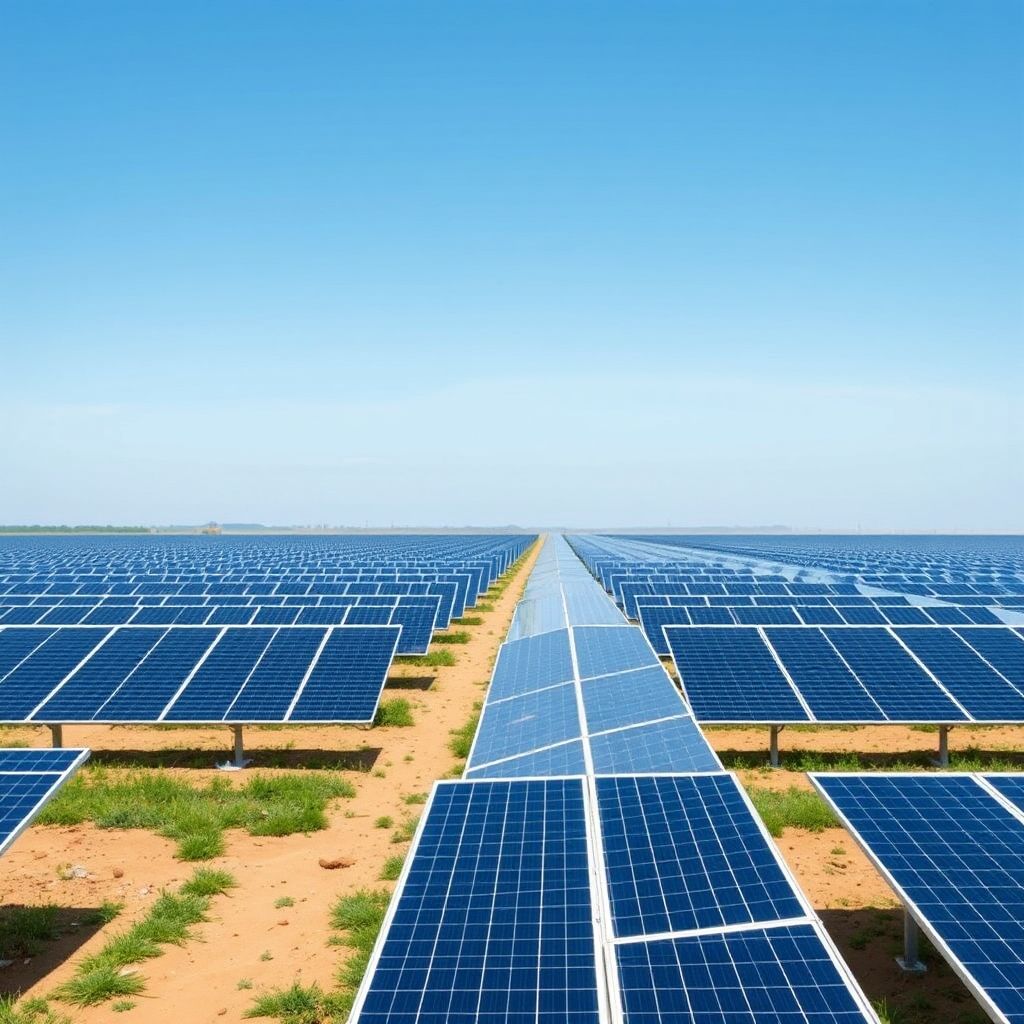
LGI has acquired the Brigalow and Chinchilla solar farms in Queensland for $22 million. The two facilities have a combined export capacity of 42 megawatts. According to the company, the purchase includes both sites, which are located in the state. The transaction reflects LGI’s continued interest in solar assets in the region. The farms were previously part of the local energy infrastructure. This acquisition adds to LGI’s portfolio of renewable energy projects. The company did not provide further details on the operational status of the farms at the time of sale. The deal was completed recently, marking a new phase for these sites.
Deal economics
The seller in this transaction was Impact Investment Group. The total price paid for the two facilities is approximately 30 percent of the cost to build new plants of similar scale. This discount reflects the distressed nature of the assets, allowing the buyer to acquire operational capacity at a significantly lower entry point than constructing new infrastructure from scratch. For investors, such pricing dynamics often emerge when project developers face financial stress or when market conditions shift, creating opportunities for operators to expand portfolios without the heavy capital expenditure associated with greenfield development. The gap between acquisition price and new build cost highlights the value of existing grid connections and established land leases, which are critical components of solar farm viability that cannot be replicated overnight.
The installed capacity of the acquired assets is 54 MWdc, a figure that measures the maximum direct current output under standard test conditions. This technical specification is distinct from the export capacity previously mentioned, as it represents the theoretical peak generation potential of the panels themselves. The assets are expected to operate for 30 years, a lifespan consistent with the design life of modern photovoltaic modules and associated inverters. A three-decade operational horizon provides a long-term revenue stream, assuming maintenance and compliance with grid codes are maintained. For developers, securing assets with such a long remaining useful life at a fraction of replacement cost can improve project economics, particularly in markets where new build costs remain elevated. The extended operational period also aligns with typical power purchase agreement durations, offering stability for both the operator and the broader energy supply chain.
Strategic upgrades
LGI intends to enhance the acquired facilities by installing dynamic management technology alongside battery storage systems. These additions are designed to improve how the plants interact with the grid, allowing for more flexible power delivery. Dynamic management software typically optimizes energy output in real-time, helping operators navigate fluctuating demand and price signals. Battery storage complements this by capturing excess generation during peak sunlight hours, which can then be released when demand rises or prices increase. This combination addresses a common limitation of solar assets, which naturally produce more energy during midday than during evening peaks. By integrating these technologies, the operator can potentially smooth out the intermittent nature of solar power, making the asset more reliable for grid stability and value optimization.
CEO Jarryd Doran described the purchase as involving "proven, operational assets acquired well below replacement cost." This characterization highlights the strategic advantage of acquiring existing infrastructure rather than developing new sites from scratch. For investors, the distinction between new build and acquisition is significant because established plants already possess essential infrastructure, including grid connections and land leases, which are often the most time-consuming and expensive components to secure in new projects. The presence of proven operational history reduces technical uncertainty, while the lower entry price provides a cushion for capital expenditure on upgrades. By pairing the discounted acquisition with targeted technological improvements, the strategy aims to boost the overall efficiency and market competitiveness of the assets without bearing the full financial weight of greenfield development.
Market outlook
- Rystad Energy analysts observe that bargains are available for buyers with sufficient capital.
This observation underscores a broader dynamic in the renewable energy sector where financial distress among developers or shifting market conditions can create entry points for well-capitalized operators. When project economics tighten, existing assets may trade at prices significantly below their replacement cost, offering strategic opportunities for those with the liquidity to move quickly. Such pricing gaps often reflect temporary market dislocations rather than long-term declines in asset value, allowing buyers to secure operational capacity without the heavy capital expenditure associated with new construction.
For investors, the availability of these discounted opportunities depends heavily on access to capital and the ability to execute rapid due diligence. The current environment suggests that while new build costs remain elevated, the secondary market for operational solar farms can present attractive risk-adjusted returns. This divergence between primary development costs and secondary market pricing highlights the importance of balance sheet strength in navigating sector volatility. Operators who can deploy capital efficiently into distressed assets may capture value that is otherwise locked away in higher-cost greenfield projects, provided they have the technical capability to integrate necessary upgrades and manage ongoing grid compliance.
What to watch
The immediate focus shifts to the physical integration of the planned battery storage and dynamic management systems. Readers should monitor the timeline for these upgrades, as their successful deployment will determine how effectively the plants can navigate fluctuating demand and price signals. The value of the acquisition hinges on the ability to smooth out the intermittent nature of solar generation, making the assets more reliable for grid stability.
Beyond the technical installation, the broader market context remains significant. With Rystad Energy analysts noting that bargains are available for buyers with sufficient capital, the secondary market for operational solar farms may continue to present attractive risk-adjusted returns. However, capturing this value requires rapid due diligence and the technical capability to manage ongoing grid compliance. Investors should look for signs of how well the operator executes these targeted improvements, as this will influence the long-term competitiveness of the assets in a market where new build costs remain elevated.
Source: RenewEconomy. This article is an original Luminity report based on the linked source.