
Hydro Tasmania extends King Island wind farm life with turbine repowering
Hydro Tasmania has refurbished the 2.5 MW Huxley Hill Wind Farm on King Island, extending its operational life by at least a decade. The project, led by Entura, involved repairing storm-damaged turbines and refurbishing nacelles in Denmark.
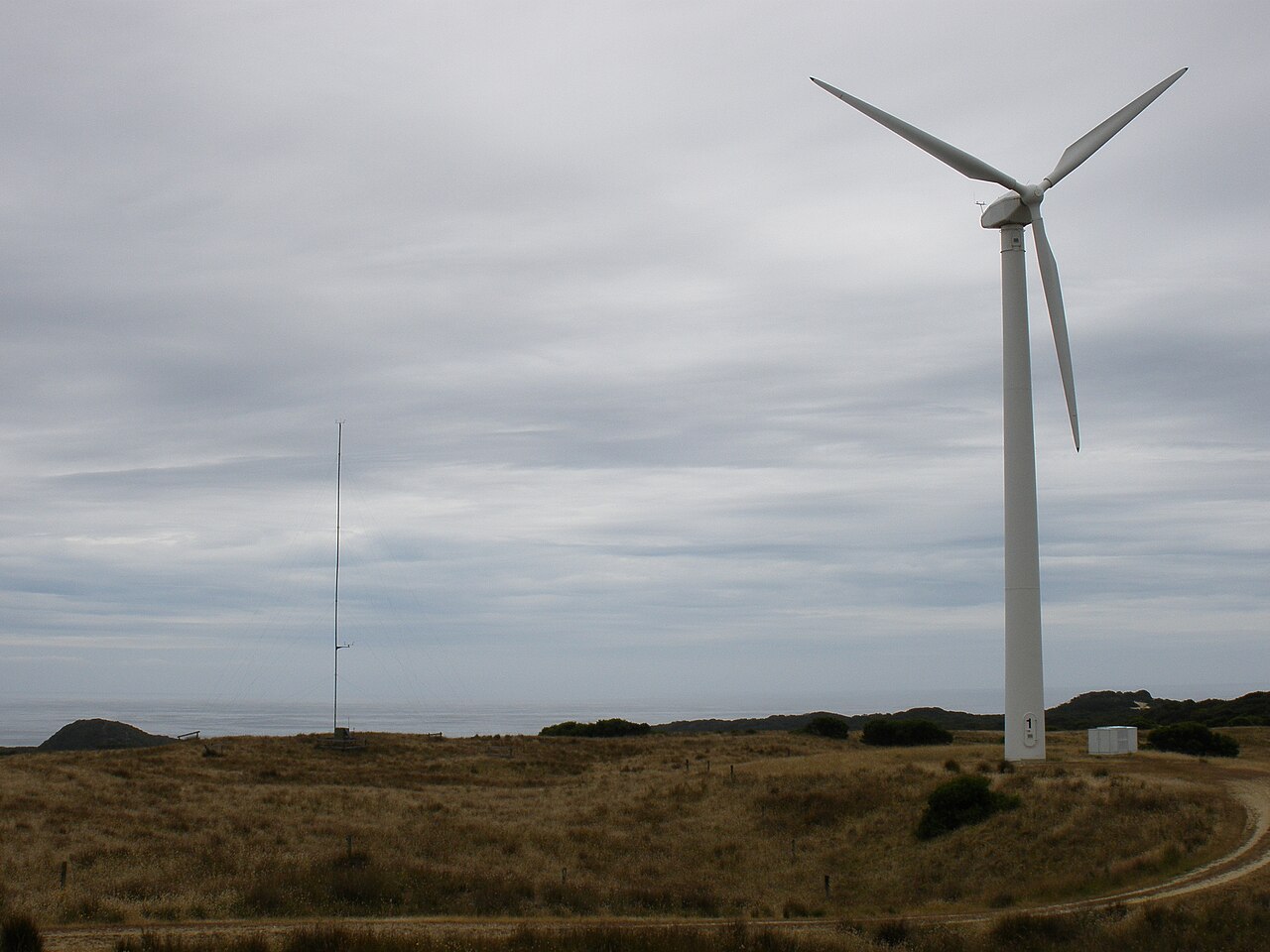
Hydro Tasmania has refurbished the Huxley Hill Wind Farm on King Island, a move the company says will extend the project's operational life by at least 10 years. The repowering initiative follows an early 2025 extreme wind event that damaged one of the site’s turbines, necessitating urgent repair work.
According to the company, the maintenance effort was designed to restore the wind farm’s capacity and ensure continued energy supply to the island. This intervention highlights the resilience of offshore wind infrastructure, which often requires specialized attention after severe weather conditions. By addressing the specific damage from the recent storm, Hydro Tasmania aims to maintain reliable power generation for King Island’s community and grid stability.
The refurbishment represents a practical approach to managing aging renewable assets in remote locations. Rather than decommissioning the facility, targeted repairs allow for continued operation, supporting local energy independence. This case underscores the importance of robust maintenance strategies for wind farms exposed to volatile weather patterns, ensuring that infrastructure remains functional and safe for the long term.
Technical Scope and History
The Huxley Hill Wind Farm operates with a total installed capacity of 2.5 MW, a scale typical for island microgrids where limited land availability and transmission constraints restrict project size. Entura led the recent repowering initiative, managing the complex logistics of upgrading aging equipment. A key aspect of this overhaul involved the refurbishment of turbine nacelles in Denmark. Nacelles house the critical mechanical and electrical components, including the gearbox and generator, making their condition vital for overall efficiency. Sending these units to a specialized European facility for overhaul is a common practice in the wind sector. It allows for precision repairs that local workshops may not support, ensuring that internal parts meet modern safety and performance standards. This approach often yields a higher return on investment than full replacement, particularly for assets with remaining structural integrity.
The site’s operational history reflects the evolution of wind technology over two decades. The first three turbines, Nordex N29 models, were installed in 1998. These early units represented the first generation of utility-scale wind turbines, characterized by smaller rotors and lower power outputs compared to contemporary designs. Subsequently, two Vestas V52 turbines were added in 2003. This expansion introduced a second generation of technology, offering improved aerodynamic efficiency and reliability. Combining these two distinct vintages on a single site presents unique maintenance challenges. Engineers must balance the operational parameters of older, smaller machines with the newer, larger units. This heterogeneity requires careful grid management to ensure stable power delivery. For developers, managing such mixed-fleet assets demonstrates the long-term viability of early renewable investments through strategic technical upgrades rather than complete decommissioning.
Energy Impact and Diesel Displacement
The Huxley Hill Wind Farm is a cornerstone of King Island’s energy independence, directly reducing reliance on imported fossil fuels. As part of the King Island Renewable Energy Island Project (KIREIP), the wind farm supplies 65 percent of the island’s total energy needs. This high penetration rate is significant for remote microgrids, which often face higher electricity costs due to fuel transport logistics. By generating the majority of local demand from wind, the project stabilizes prices for residents and businesses, while simultaneously lowering the environmental footprint associated with conventional power generation. Such high levels of renewable integration demonstrate how targeted infrastructure can transform isolated grids into sustainable, self-sufficient systems.
The environmental benefits extend beyond carbon reduction to tangible resource conservation. Specifically, the two Vestas V52 turbines installed at the site displace 640,000 litres of diesel annually. This volume of fuel displacement is substantial, equivalent to removing hundreds of heavy transport vehicles from the road each year. For island communities, avoiding this level of diesel consumption mitigates the risks associated with fuel storage, handling, and potential spills. It also insulates the local economy from global oil price volatility. The following table summarizes the key energy and displacement figures for the site.
| Metric | Value |
|---|---|
| Share of island energy supplied by KIREIP | 65% |
| Annual diesel displaced by Vestas V52 turbines | 640,000 litres |
These figures illustrate the dual benefit of the repowering effort: maintaining grid reliability while continuing to displace significant quantities of fossil fuel. The 65 percent contribution highlights the wind farm’s central role in the island’s energy mix, while the 640,000 litres of diesel saved annually quantifies the direct environmental impact. By extending the life of these turbines, Hydro Tasmania ensures that this displacement continues, supporting both economic stability and environmental goals for King Island.
Stakeholder Perspectives
- Jesse Clark describes King Island as a long-standing model for remote communities.
- Jeramy Whitehouse-Summers confirms the turbine is now back in operation.
The remarks from Hydro Tasmania leadership highlight the strategic importance of the Huxley Hill site within the broader context of regional energy resilience. When Clark refers to the island as a model, he points to the successful integration of high-penetration renewable sources into a microgrid that traditionally relies on diesel generation. For remote communities, such examples are vital because they demonstrate that energy independence is achievable without the constant logistical burden of fuel shipping. This narrative helps secure political and public support for similar projects in other isolated areas, where grid stability is often seen as a challenge rather than an opportunity. By framing the island as a benchmark, the company underscores the transferability of these technical and operational lessons to other off-grid or weak-grid locations.
Whitehouse-Summers’ statement focuses on the immediate operational status, confirming that the repowering process has reached its conclusion. In the wind industry, the return to service is a critical milestone that validates the engineering decisions made during the overhaul. It signals to stakeholders, including local consumers and investors, that the asset is generating power again and contributing to grid stability. This confirmation alleviates concerns about prolonged downtime, which can be particularly disruptive for island grids with limited backup capacity. The combination of these perspectives offers a balanced view: one emphasizes the long-term strategic value of the project as a case study for remote energy systems, while the other provides the concrete, near-term assurance that the infrastructure is functional and meeting its design specifications.
What to watch
With the turbine back in service, attention now turns to long-term operational performance. Readers should monitor how the mixed-fleet configuration manages grid stability over the coming seasons. Balancing older Nordex units with newer Vestas machines requires precise control systems to prevent frequency fluctuations, a challenge that often defines the success of aging wind assets. Regulatory frameworks for remote island grids may also evolve, potentially introducing new requirements for energy storage or backup generation to complement wind output. Investors and local stakeholders will likely scrutinize maintenance schedules and component replacement costs, as older technology typically demands more frequent attention. The broader industry is watching for data on the economic viability of repowering versus full replacement. If this extension proves cost-effective, it could influence future decisions at other aging renewable sites. For now, the primary focus remains on consistent power delivery and the continued reduction of diesel dependency, ensuring the island’s energy system remains resilient against supply chain disruptions and fuel price volatility.
Source: RenewEconomy. This article is an original Luminity report based on the linked source.