
Rwanda Opens Prequalification for 200 MW Floating Solar and 800 MWh Storage
Rwanda Energy Group has launched prequalification for a 200 MW floating solar plant on Lake Sake, paired with 800 MWh of battery storage. The project will be developed by an independent power producer under a 25-year power purchase agreement.
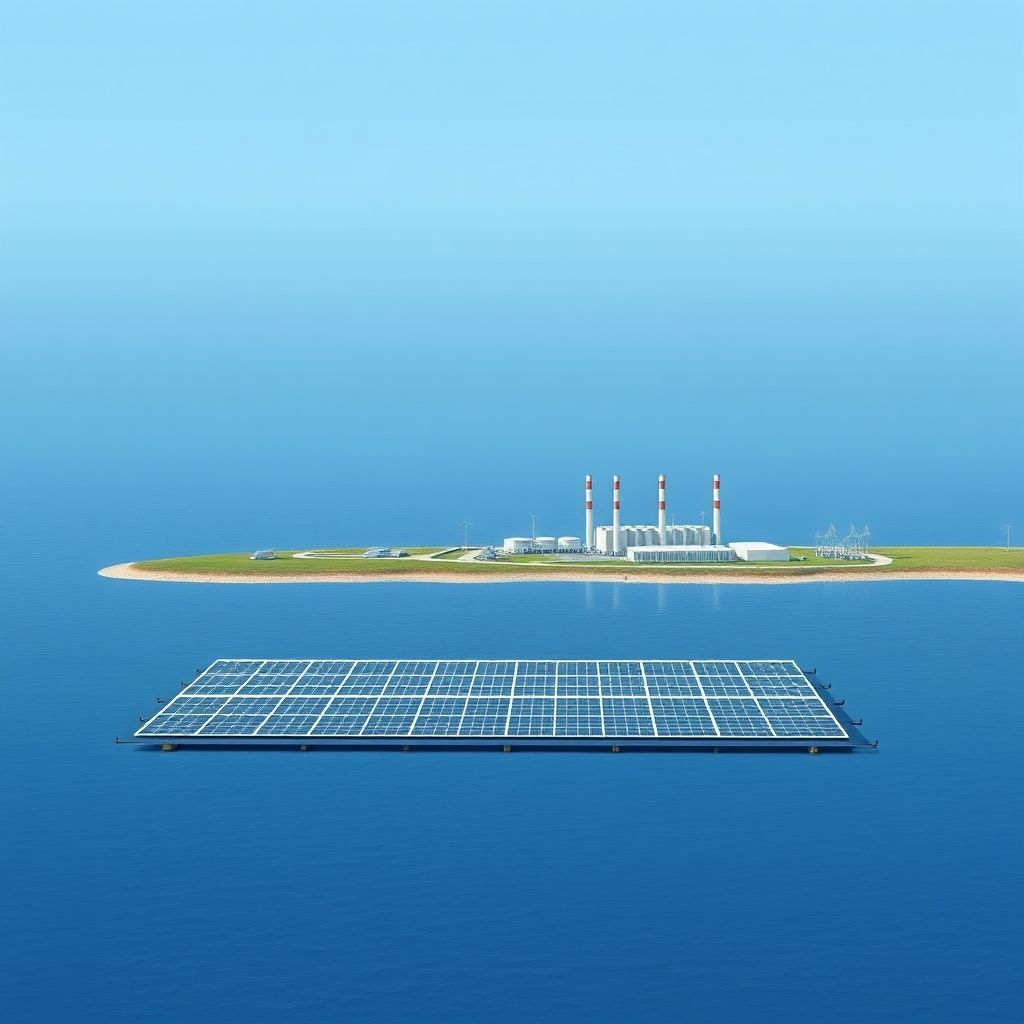
Rwanda Energy Group has opened prequalification for a 200 MW floating solar plant, according to the company. The project, located on Lake Sake in Ngoma District, includes an integrated 800 MWh battery storage system. Applications for the prequalification process are due by 12 November.
The initiative combines solar generation with substantial energy storage capacity. Floating solar installations utilize water surfaces for panel placement, while the paired battery system is designed to store electricity for later use. This configuration addresses the variable nature of solar power by enabling energy delivery when the sun is not shining.
Developers interested in participating must submit their prequalification applications before the stated deadline. The process aims to identify qualified firms for the subsequent stages of the project’s development. Specific financial terms or final construction details remain subject to the outcome of this initial screening phase.
Project Structure and Obligations
The successful bidder will enter into a 25-year power purchase agreement with Energy Development Corporation Limited. This long-term contract secures a stable revenue stream for the developer, which is essential for financing the substantial upfront capital required for such infrastructure. In exchange, the winning independent power producer assumes full responsibility for the project’s technical execution. Their scope of work covers design, supply, construction, and commissioning of the facility. They must also manage grid evacuation and handle ongoing operation. This turnkey arrangement places the burden of technical performance and delivery timelines squarely on the private partner rather than the utility.
The development phase is scheduled to take approximately 18 months. This construction duration reflects the complexity of integrating floating solar arrays with a large-scale battery storage system on a lake surface. Unlike standard ground-mounted projects, this setup requires specialized engineering to ensure structural integrity and electrical safety in an aquatic environment. The defined timeline provides a clear benchmark for monitoring progress from the start of works to the point where the plant can feed electricity into the national grid.
Dutch Grid Security Warning
The Rijksinspectie Digitale Infrastructuur has issued a warning that a single software update could destabilize the national grid. This alert highlights a specific vulnerability inherent in modern grid management, where digital control systems are as critical as physical infrastructure. The Dutch regulator argues that current European cybersecurity laws place excessive emphasis on securing individual devices. However, these regulations fail to adequately address the backend control systems that coordinate power flow. This gap means that while hardware may be protected, the software layers managing the grid’s operation remain exposed to potential disruption, creating a significant security blind spot for national energy stability.
India BESS Expansion
- SolarEra Green Renewables is constructing a 5 GWh annual capacity battery energy storage system (BESS) facility in Pune, Maharashtra.
- The project involves an investment of ₹250 crore, with a commissioning target set for July 2027.
- The company’s subsidiary, Enercache Storage System Private Limited, secured a 1.8 lakh sq. ft. site for the facility.
- SolarEra Green Renewables operates across solar generation, EPC, O&M, BESS integration, and energy management.
The Pune facility represents a significant expansion in manufacturing scale for the company, moving beyond component assembly to a large-scale production hub. The ₹250 crore outlay funds the establishment of this 1.8 lakh sq. ft. plant, which is slated to be operational by mid-2027. This timeline aligns with the broader push to localize battery storage supply chains in India, reducing reliance on imported systems. By securing a dedicated facility through its subsidiary Enercache Storage System Private Limited, SolarEra aims to streamline production processes for grid-scale storage units.
The company’s diverse business scope, which includes solar generation, engineering, procurement, and construction (EPC), as well as operation and maintenance (O&M), positions it to offer integrated solutions. Combining BESS integration with energy management services allows for a more holistic approach to renewable energy projects. The 5 GWh annual capacity figure indicates the volume of storage that the facility is designed to produce each year, rather than the total installed capacity of a single project. This annual throughput metric is critical for understanding the plant’s contribution to the national supply of battery infrastructure. As commissioning approaches in July 2027, the facility will serve as a key node in the domestic value chain for energy storage technologies.
What to watch
The immediate next step for the Lake Sake project is the conclusion of the prequalification phase, with applications due by 12 November. Once Rwanda Energy Group reviews these submissions, the process will move to identify qualified firms for subsequent development stages. For now, specific financial terms and final construction details remain subject to this initial screening, meaning the exact cost structure and contract conditions are not yet public.
Beyond the immediate deadline, the project’s environmental and social safeguards will likely draw scrutiny. Under IFC’s 2012 Performance Standards, which serve as a reference for such infrastructure, developers must provide detailed mitigation plans addressing water quality changes, habitat disruption, and community displacement. Given that the plant sits on Lake Sake, these ecological considerations are central to the project’s viability. A site visit conducted on 23 October suggests that preliminary assessments of the physical location are already underway, providing a baseline for these future mitigation strategies.
The broader context of floating solar development in the region offers additional points of interest. Luminity reported on 19 October that Odisha GRIDCO issued a tender for consultancy services for a 225 MW floating solar and BESS project, highlighting a parallel push for similar infrastructure in other markets here. That report also noted plans to integrate battery storage into existing 220 kV infrastructure to manage peak demand. Similarly, Luminity reported on 16 October that NTPC Limited issued an EPC tender for a 15 MW floating solar project in Mauritius, which includes a 12 MW/60 MWh storage system here. While these are separate initiatives, they illustrate the growing trend of pairing floating solar with battery storage to enhance grid stability.
Source: Saur Energy. This article is an original Luminity report based on the linked source.