
Odisha GRIDCO Tenders Consultancy for 225 MW Floating Solar and BESS
GRIDCO has issued an expression of interest for consultancy services to support a 225 MW floating solar and battery energy storage system project. The initiative targets the Upper Indravati reservoir and involves significant environmental and infrastructure planning.
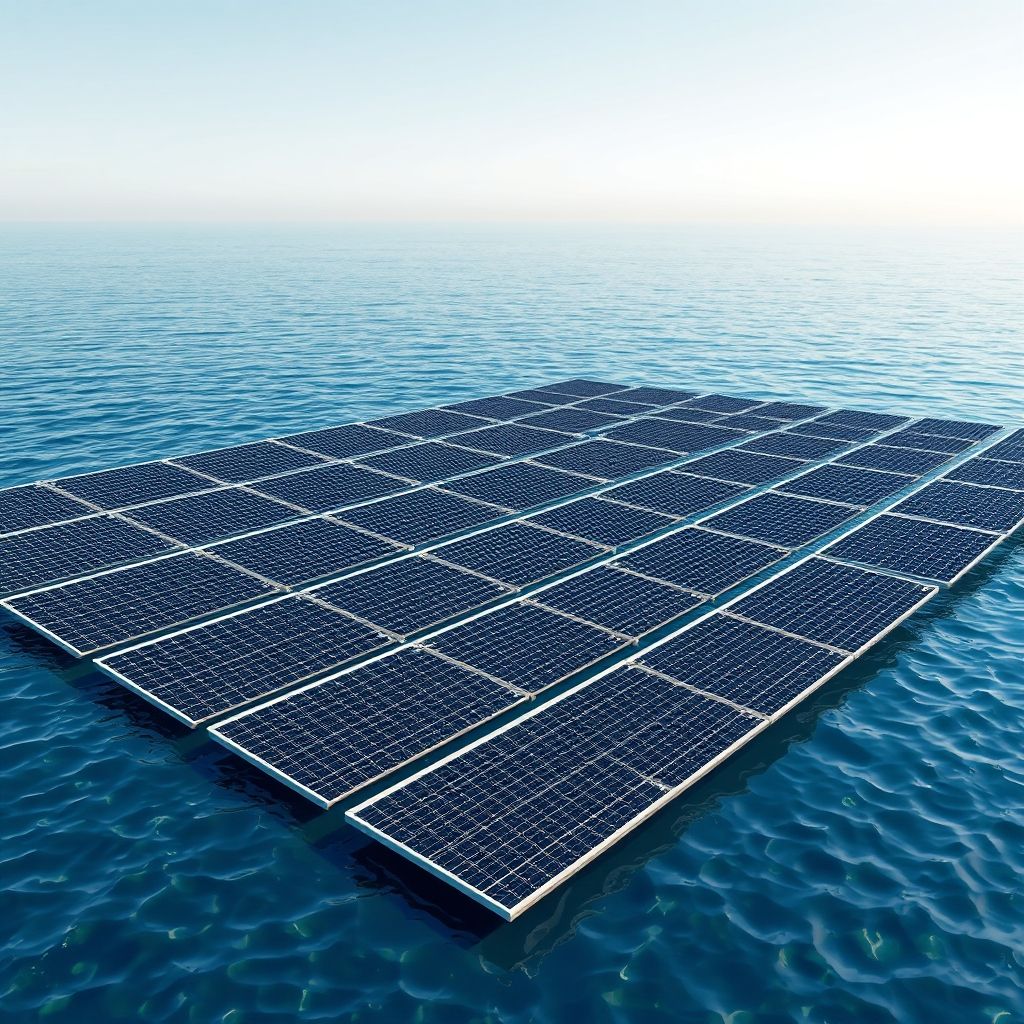
Odisha GRIDCO has issued a tender seeking consultancy services for a 225 MW floating solar and battery energy storage system (BESS) project. The utility is inviting expressions of interest from qualified firms to support the development of the initiative.
According to Saur Energy, the project is structured around three distinct floating solar units, each with a capacity of 75 MW. This configuration integrates renewable generation with storage capabilities to enhance grid reliability.
Interested consultants must submit their expressions of interest by the deadline of November 17, 2026. The move underscores the state’s continued focus on expanding its renewable energy infrastructure through large-scale, hybrid projects.
Project Scale and Location
The proposed facility will be situated on the Upper Indravati reservoir in Odisha. This specific water body provides the necessary surface area to support the massive array of floating panels. The project’s physical footprint is extensive, spanning across fifteen distinct villages. Such a wide geographical spread implies significant logistical and community engagement requirements for any consultant managing the development phase. Coordinating access, local permissions, and community liaison across multiple administrative boundaries adds a layer of complexity that goes beyond standard land-based solar installations.
The floating solar array itself will cover approximately 6.5 square kilometers of the reservoir’s surface. This vast expanse of water is essential for supporting the structural load of the modules and their associated cabling. For developers, utilizing a reservoir of this magnitude offers a stable platform that mitigates land-use conflicts often associated with terrestrial solar parks. The sheer size of the water area also suggests that the project will have a noticeable visual presence on the landscape. Consultants will need to assess how this large-scale deployment interacts with local hydrology, water quality, and the daily lives of residents in the fifteen affected villages. Understanding these on-the-ground realities is critical for planning a smooth construction and operational rollout.
Environmental and Technical Scope
The consultancy tender specifies a rigorous scope of work centered on environmental due diligence and technical baseline establishment. Key requirements include:
- Conducting an Environmental and Social Impact Assessment (ESIA)
- Ensuring compliance with the International Finance Corporation (IFC) Environmental and Social Performance Standards from 2012
- Establishing a baseline for local climate and hydrological conditions
The ESIA serves as the primary mechanism for identifying potential risks to the reservoir ecosystem and surrounding communities before construction begins. By mandating adherence to the IFC’s 2012 Performance Standards, the tender aligns the project with international best practices for managing environmental and social safeguards. These standards typically require detailed mitigation plans for issues such as water quality changes, habitat disruption, and community displacement, ensuring that development does not compromise ecological integrity.
Establishing a baseline for climate and hydrological conditions is a critical technical step. This process involves collecting historical and current data on rainfall patterns, water levels, and temperature variations specific to the Upper Indravati reservoir. Such data is essential for designing a floating array that can withstand local weather extremes and for predicting how the project might alter the reservoir's thermal dynamics. For grid operators, accurate hydrological baselines help in forecasting power generation consistency and managing the interaction between the floating platform and water flow, thereby supporting long-term operational stability.
Grid Integration Infrastructure
The tender documents specify that the project’s electrical infrastructure will comprise a 33 kV transmission line and a 220 kV line extending to Mukhiguda. This dual-voltage setup is standard for large-scale renewable energy facilities, where lower-voltage lines collect power from the immediate generation site before stepping it up to higher voltages for long-distance transmission. The 220 kV connection to Mukhiguda is particularly significant, as it likely links the floating solar and battery storage facility to a major substation or grid node. For grid operators, direct high-voltage interconnections reduce energy losses associated with multiple transformation stages and allow for more efficient power evacuation. This is essential for a 225 MW facility, where the volume of electricity generated requires robust transmission capacity to prevent congestion and ensure stable integration into the wider state grid.
The inclusion of a battery energy storage system adds another layer to the grid integration challenge. While the transmission lines handle the physical movement of electrons, the storage component allows for temporal shifting of power, helping to smooth out fluctuations in solar generation. The 33 kV line likely serves as the local collection network, aggregating power from the floating arrays and the BESS before it is stepped up. Engineers must ensure that these components are synchronized to maintain voltage stability and frequency control. Properly designed transmission infrastructure ensures that the renewable output can be dispatched reliably, supporting the grid’s ability to balance supply and demand. This technical framework is critical for maximizing the project’s contribution to Odisha’s renewable energy goals while maintaining the overall reliability of the electricity supply.
What to watch
With the consultancy phase underway, immediate attention should shift toward the outcomes of the environmental and social impact assessment. The specific findings regarding water quality and community impact across the fifteen villages will determine the feasibility of the proposed timeline. Stakeholders should monitor how the baseline hydrological data informs the final design parameters, particularly concerning seasonal water level variations that could affect platform stability.
The progression from technical scoping to actual construction hinges on securing necessary clearances based on the IFC standards. Readers should look for updates on how the battery storage system will be integrated into the existing 220 kV infrastructure, as this dictates the project’s ability to provide reliable power during peak demand periods. While the physical infrastructure plans are outlined, the operational performance of the floating array remains to be proven in this specific reservoir environment. Future developments will likely focus on the transition from planning to execution, with an eye on any adjustments made to the initial scope due to site-specific challenges identified during the due diligence process.
Source: Saur Energy. This article is an original Luminity report based on the linked source.