
NTPC signs 25-year PPA for 1 MW solar thermal project at Bhadla
NTPC has entered a 25-year power purchase agreement with 247Solar to deploy a 1 MW hybrid solar thermal and PV project in Rajasthan. The system uses ceramic pellets to store heat for up to 20 hours, marking the first commercial use of this technology.
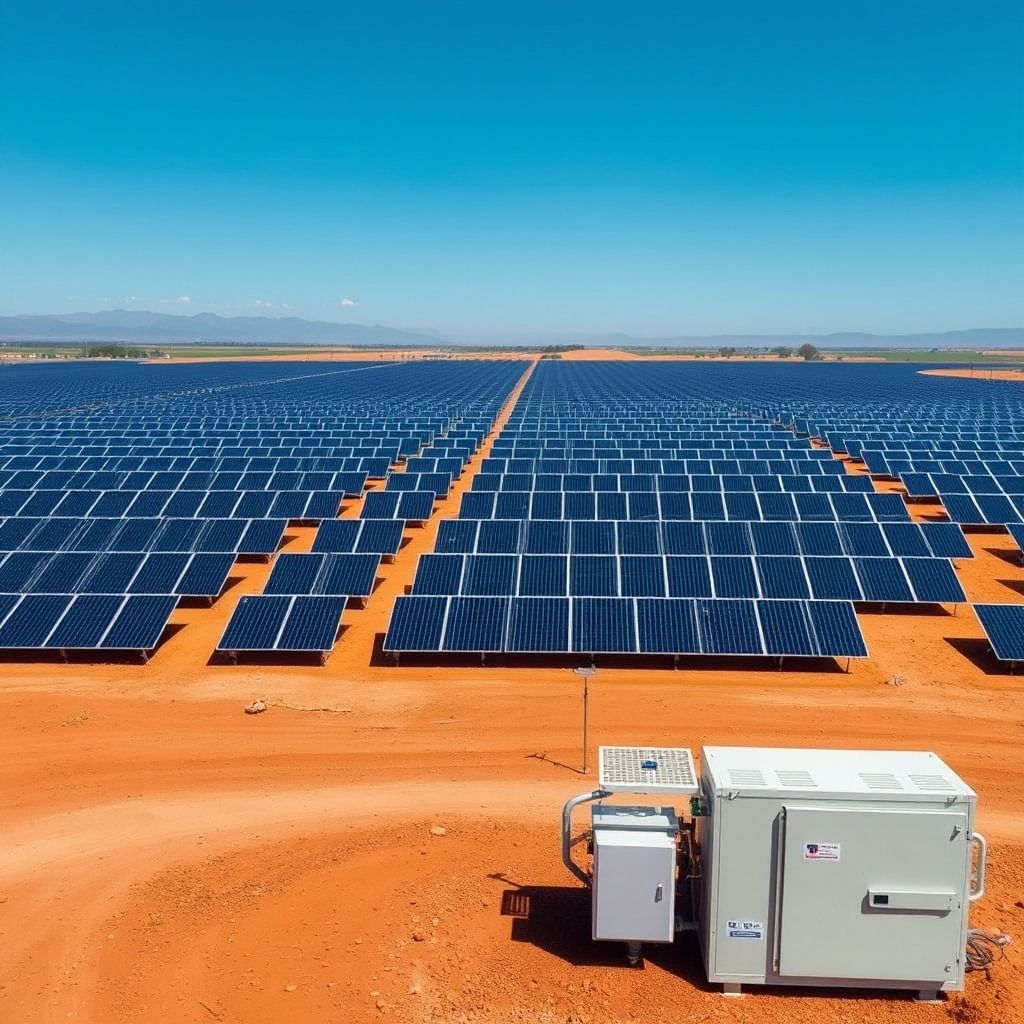
NTPC Ltd has signed a 25-year power purchase agreement with 247Solar for a hybrid power project located at the Bhadla Solar Park in Rajasthan. According to the company, the project capacity is approximately 1 MW. The agreement marks a long-term commitment to energy supply from this specific site within the larger solar park infrastructure.
The deal involves a solar thermal component, as indicated by the project description. While the exact breakdown of the hybrid mix is not detailed in the report, the capacity figure refers to the total installed size of the facility. This type of long-term PPA is common for utility-scale renewable energy projects in India, providing stable revenue streams for developers and predictable power for utilities. The Bhadla Solar Park remains a major hub for such installations in the state.
Technical Design and Storage
The facility integrates a 400 kW modular 247Solar Plant alongside solar photovoltaic capacity. This hybrid configuration combines thermal and photovoltaic technologies within a single installation. The 247Solar system utilizes ceramic pellets to store thermal energy, maintaining heat for up to 20 hours. This storage duration allows the plant to release energy after sunset, extending the utility of the system beyond direct sunlight hours. The technology generates heat reaching temperatures up to 1000 °C. Such high-temperature capabilities distinguish the thermal component from standard photovoltaic setups, which convert light directly into electricity without intermediate thermal storage. The modular nature of the 400 kW unit suggests a scalable approach, allowing for potential expansion or specific integration needs at the site.
For grid operators, the ability to store heat for twenty hours addresses the intermittency often associated with solar power. While photovoltaic panels produce electricity only when the sun shines, the ceramic pellet storage system retains thermal energy for later use. This mechanism helps smooth out supply fluctuations, providing a more consistent output profile over the course of a day. The 1000 °C heat generation indicates the system is designed for high-efficiency thermal processes. Combining this with solar PV creates a diversified energy mix, where both electricity and stored heat contribute to the project’s total output. The specific use of ceramic pellets as the storage medium is a key technical feature, enabling long-duration energy retention without the complexities of chemical batteries. This design supports the long-term power purchase agreement by ensuring reliable delivery of energy over the agreed period.
Fuel Flexibility and Strategic Goals
- Turbines can operate on natural gas, green hydrogen, or diesel if needed
- NTPC aims to reduce reliance on coal power
The hybrid design incorporates turbines capable of running on multiple fuel sources, offering operational resilience that pure photovoltaic or single-fuel thermal plants lack. By permitting the use of natural gas, green hydrogen, or diesel, the facility can adjust its input based on availability, cost, or grid demand. This multi-fuel capability ensures that power generation can continue even when solar irradiance is low or during periods when specific fuel types are more economically viable. For utility operators, such flexibility helps maintain a stable supply profile, mitigating the risks associated with single-source dependency in a long-term contract.
This technical adaptability aligns with NTPC’s broader objective to lower its dependence on coal-fired generation. As India’s power sector shifts toward cleaner alternatives, integrating flexible thermal units with renewable sources allows for a gradual transition away from fossil fuel baseload. The ability to utilize green hydrogen, in particular, supports the long-term decarbonization of the energy mix, as this fuel produces minimal emissions compared to traditional hydrocarbons. By diversifying fuel inputs, the project serves as a bridge between current grid requirements and future low-carbon goals, enabling the utility to manage load factors more effectively while progressing toward its stated reduction targets. This approach balances immediate reliability with strategic environmental commitments.
Executive Perspective and Market Context
Bruce Anderson, representing 247Solar, frames the technology as a direct response to the inherent variability of solar power. He states, "This new version of solar thermal solves the problem of intermittent solar." This assertion highlights a core challenge in renewable energy integration: standard photovoltaic systems produce electricity only when sunlight is available, creating gaps in supply that grid operators must manage through other means. By incorporating thermal storage, the project aims to bridge those gaps, offering a more consistent energy profile that aligns better with continuous demand. The commentary suggests that the primary value proposition here is reliability, addressing the specific pain point of matching solar generation with real-time consumption patterns.
Anderson also places the project within the broader economic trajectory of the region. He notes, "India’s rapid growth plainly requires more clean, reliable and affordable energy." This statement underscores the scale of the energy challenge facing the country, where industrial expansion and population growth drive rising electricity needs. For developers and investors, this context signals that the market is not merely seeking renewable capacity but specifically requires solutions that are both financially viable and technically robust. The emphasis on affordability indicates that cost competitiveness remains a critical factor alongside environmental benefits. Such long-term agreements are often structured to provide the financial stability necessary for these emerging technologies to prove their economic case at scale, ensuring that the transition to cleaner energy sources remains accessible to a growing consumer base.
What to watch
The immediate next milestone involves the completion of preliminary studies and site surveys, a process that Rajasthan Renewable Energy Corp. Ltd has already approved. These initial assessments are foundational for any major energy infrastructure project, as they identify ground conditions, environmental factors, and logistical constraints before heavy construction begins. For this specific venture, the outcome of these surveys will determine the precise engineering requirements and timeline for the upcoming build. Readers should monitor the results of this phase, as it sets the stage for the first commercial deployment of 247Solar’s thermal technology.
Success here is particularly notable because it represents the inaugural commercial application of this specific thermal system. Moving from pilot or conceptual stages to a live commercial site provides critical real-world data on performance, maintenance needs, and grid integration. Until the plant is fully operational, the technical specifications and storage capabilities described earlier remain theoretical in a commercial context. The transition to commercial deployment will offer the first tangible evidence of how the 20-hour thermal storage and multi-fuel turbine design perform under actual utility-scale conditions. This phase is essential for validating the technology’s reliability claims and demonstrating its viability for future replication in similar renewable energy projects across the region.
Source: pv magazine India. This article is an original Luminity report based on the linked source.