
Chilean solar and battery plant remains offline three months after cyberattack
The 103 MW Huatacondo solar plant and its 312 MWh battery storage system in Tarapacá, Chile, have remained disconnected from the national grid since late August. A parliamentary inquiry has been launched to investigate the incident's compliance with cybersecurity laws and the timeline for reconnection.
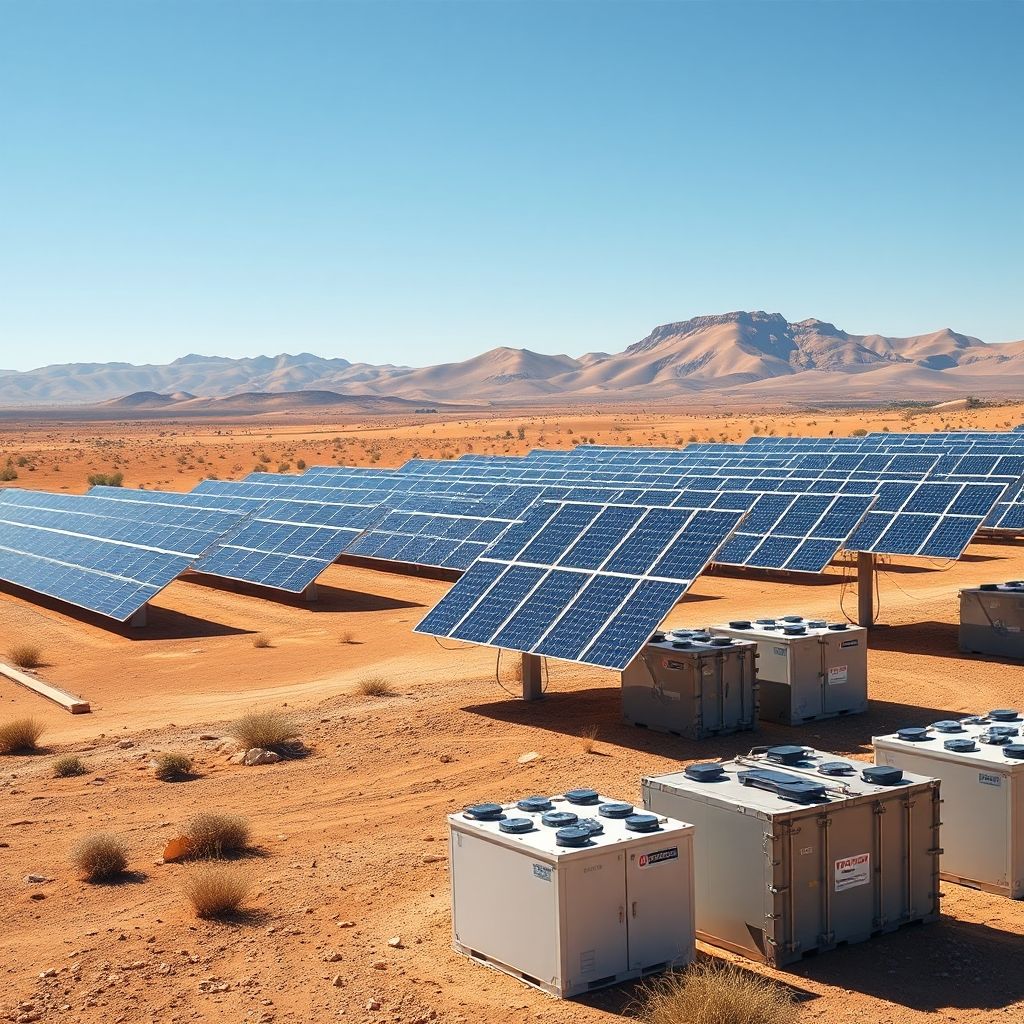
Located in Tarapacá, Chile, the 103 MW Huatacondo solar facility and its paired 98 MW/312 MWh battery storage unit have stayed offline for nearly three months since an August cyberattack. As reported by pv magazine, these installations continue to be isolated from the national grid. In the wake of the incident, the National Electric Coordinator triggered disconnection measures to safeguard grid stability.
At present, the plant’s battery system cannot discharge power into the grid.
No specific timeline for restoring service has been released by authorities, leaving the facilities’ return to operation in limbo.
Grid Disconnection Details
The National Electric Coordinator’s daily report for November 14 lists 0% availability for both the solar plant and its battery storage system. This status follows a forced disconnection request, SDCF 2026100475, filed on August 27. The request cited the cyberattack as the reason for removing the facilities from the grid.
A one-day discrepancy exists regarding the incident’s start. T13 reports the attack occurred on August 26, while the Coordinator’s records show the formal disconnection request was filed the next day on August 27. Patricio Leyton, the cybersecurity director at the National Electric Coordinator, stated that the agency "activated its disconnection protocol to safeguard the electricity system."
Parliamentary Inquiry
- On November 11, legislator Cristián Araya Lerdo de Tejada filed two official information requests, identified as Chamber of Deputies 28298 and 28300.
- These inquiries are directed to the ministries of Public Security and Energy.
- They aim to obtain specifics regarding adherence to Chile’s Framework Cybersecurity Law.
- This legislation requires an initial notification within three hours, a follow-up update within 72 hours, and a conclusive report within 15 calendar days.
Operational Status and Investigation
Authorities state that the investigation into the cyberattack remains ongoing. The National Electric Coordinator characterizes the incident as exceptional but cites confidentiality requirements to avoid releasing specific technical details. Consequently, no findings regarding the origin of the intrusion, the specific systems compromised, or a definitive date for resuming operations have been made public.
While the facilities remain offline, the battery energy storage system is currently undergoing commissioning. This status means the unavailability does not constitute an interruption of commercial operations. The parliamentary inquiries submitted in November seek confirmation of the cyber origins, an assessment of operational and economic impacts, and a timeline for reconnecting the Huatacondo plant. The requests also ask for an update on the Technical Standard for Cybersecurity. As of November 16, no response has been recorded to these information requests.
Related Cybersecurity Incidents and Regulatory Compliance
On August 27, the National Electric Coordinator also logged forced disconnections attributed to cyberattacks affecting the Olivos and Espinos thermal power plants in Los Vilos, as well as the 220/23 kV TR1 transformer at the Santa Rita substation. T13 noted that two additional suspected attacks on facilities within the Coquimbo region were later dismissed, although independent verification of these clearances is not currently accessible. The parliamentary inquiries explicitly demand verification of whether the impacted firms and the Coordinator adhered to the notification requirements under the Framework Cybersecurity Law. These requests aim to uncover details regarding any potential unauthorized remote access to supervisory control and data acquisition (SCADA) systems, remote-control gear, electrical protection mechanisms, inverters, and battery management systems.
Source: pv magazine. This article is an original Luminity report based on the linked source.