
Bihar Leads Eastern India in Feeder-Level Solarisation Under PM-KUSUM
Bihar has synchronised 13 solar power plants with state power substations, adding 36.261MW of capacity under the PM-KUSUM scheme. The initiative benefits 9,449 farmers through agricultural feeders, supported by combined central and state subsidies of Rs 1.50 crore per MW.
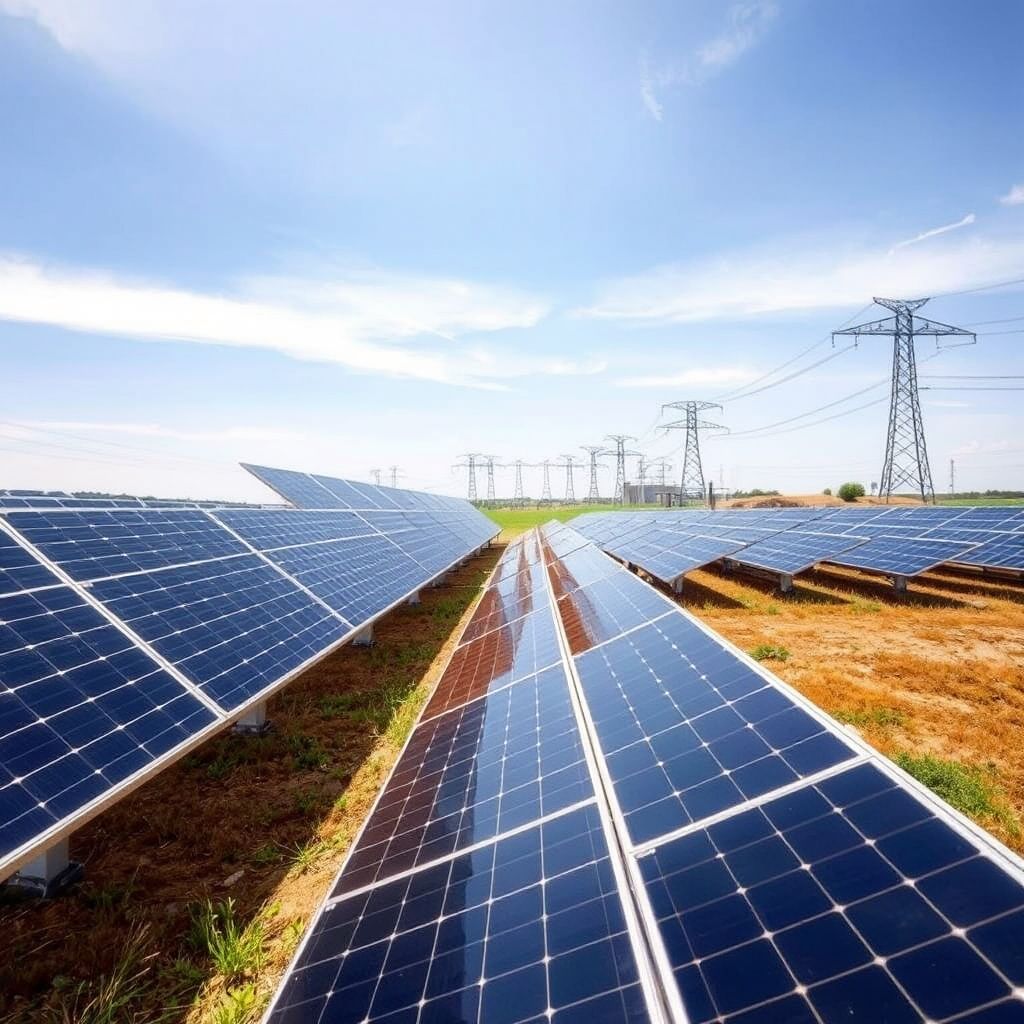
Bihar has emerged as the leading state in eastern India for feeder-level solarisation under the Pradhan Mantri Kisan Urja Suraksha evam Utma Mahabhiyan (PM-KUSUM) scheme. According to a report by ETEnergyWorld Renewables, the state has successfully synchronised 13 solar power plants with its local power substations. This initiative aims to integrate distributed renewable energy directly into the existing distribution network, enhancing grid stability and reducing transmission losses at the feeder level.
The total installed solar capacity from these synchronised plants stands at 36.261MW. By leveraging the PM-KUSUM framework, Bihar is demonstrating a model for rural electrification that supports both agricultural power needs and broader energy security goals. The deployment of these feeder-level solar assets marks a significant shift in how eastern India approaches decentralized renewable energy integration, setting a benchmark for other states in the region.
Farmer Impact and Recent Commissioning
The primary beneficiaries of this expansion are the agricultural communities relying on dedicated feeders for irrigation and farm operations. Across the state, 9,449 farmers are now drawing power from these synchronised solar assets. This direct integration into agricultural feeders addresses a critical gap in rural electrification, where diesel pumps often strain local grids or incur high fuel costs. By substituting grid power with on-site solar generation, the scheme lowers electricity bills for these users while stabilising voltage levels during peak agricultural demand. The shift from centralised generation to feeder-level solarisation means that energy losses between the substation and the farm gate are minimised, ensuring more of the generated power actually reaches the irrigation pumps and processing units that sustain local livelihoods.
Recent activity highlights the pace of deployment in Banka district. A 5.155MW solar plant at Shambhuganj PSS was commissioned just five days ago. This specific facility serves 2,007 farmers, providing a tangible example of how quickly new capacity can be brought online to support local agricultural cycles. The rapid commissioning of such plants demonstrates that the infrastructure pipeline is moving efficiently, allowing rural consumers to access cleaner energy without waiting for long-term grid upgrades. For these farmers, the immediate availability of reliable, solar-powered electricity reduces operational risks associated with fuel price volatility and supply interruptions, directly supporting crop productivity and income stability in the region.
Financial Support Structure
The economic viability of feeder-level solarisation under PM-KUSUM relies heavily on a layered subsidy model that reduces the upfront capital burden for developers. This structure combines central and state-level funding to lower the effective cost of installation, making the return on investment more attractive for private players entering the renewable energy space.
| Component | Subsidy Amount (per MW) |
|---|---|
| Union Government | Rs 1.05 crore |
| State Government | Rs 45 lakh |
| Total Subsidy | Rs 1.50 crore |
The combined financial support totals Rs 1.50 crore for every megawatt of installed capacity. This aggregate figure represents the direct grant assistance available to offset project costs. Such subsidy structures are designed to bridge the gap between the high initial capital expenditure of solar infrastructure and the long-term operational savings. By providing a significant portion of the funding upfront, the scheme mitigates financial risk for investors and developers. This mechanism is critical for accelerating deployment in rural areas where grid infrastructure may require additional reinforcement. The clear delineation of central and state contributions ensures that both tiers of government share the financial responsibility for expanding renewable energy access. This collaborative funding approach helps standardize project economics across different regions, allowing for more predictable planning and execution within the PM-KUSUM framework.
Official Statements and Leadership
- BSPGCL officials confirmed the Shambhuganj plant serves 2,007 farmers by providing access to green energy
- Ajay Yadav serves as the Energy Secretary
- Shailesh Kumar, alias Bulo Mandal, holds the portfolio of Energy Minister
State leadership has moved to formalize the operational success of recent feeder-level solar projects through direct administrative oversight. A BSPGCL official noted that the newly commissioned facility in Banka district will benefit 2,007 farmers by providing access to green energy. This statement highlights the practical outcome of the scheme’s design, which targets specific agricultural communities rather than general urban grids. By linking the technical synchronisation of the plant to tangible user benefits, the utility underscores how decentralized solar generation addresses local irrigation needs and reduces dependence on conventional grid infrastructure in rural areas.
The involvement of senior government figures, including Energy Secretary Ajay Yadav and Energy Minister Shailesh Kumar alias Bulo Mandal, signals institutional commitment to sustaining this momentum. In public sector renewable energy projects, clear ministerial and secretarial ownership often accelerates regulatory clearances and ensures consistent policy implementation across multiple districts. For the broader ecosystem, visible support from state-level leadership helps validate the project pipeline for stakeholders, reinforcing confidence that the administrative machinery required to maintain and expand these feeder-level assets is fully engaged. This top-down alignment ensures that the technical achievements on the ground translate into sustained operational reliability for the farming communities relying on the new power supply.
What to watch
With the Shambhuganj facility now operational, attention turns to whether the rapid commissioning pace observed in Banka district can be replicated across other parts of the state. Developers and investors will likely monitor how quickly new agricultural feeders are identified and prepared for solar integration, as land availability and grid reinforcement often dictate project timelines.
Readers should also look for updates on how the 9,449 farmers currently connected to these systems report on long-term reliability. While recent commissioning highlights immediate benefits, the durability of voltage stabilization during peak agricultural demand will depend on ongoing maintenance and technical support. State leadership, including Energy Secretary Ajay Yadav and Energy Minister Shailesh Kumar, will likely provide further insights into administrative hurdles or successes in their next public statements. Ultimately, the success of this initiative hinges on translating isolated plant achievements into a consistent, statewide model that reduces diesel dependence and stabilizes rural power supply without extensive new transmission infrastructure.
Source: ETEnergyWorld Renewables. This article is an original Luminity report based on the linked source.