
Arevon signs 20-year REC deals for 200 MW Illinois solar project
Arevon Energy has secured three 20-year renewable energy credit contracts for its upcoming 200 MWac Panther Energy Project in Perry County, Illinois. The project was selected through the Illinois Power Agency’s 2026 procurement and approved by the state’s commerce commission to help meet renewable portfolio standards.
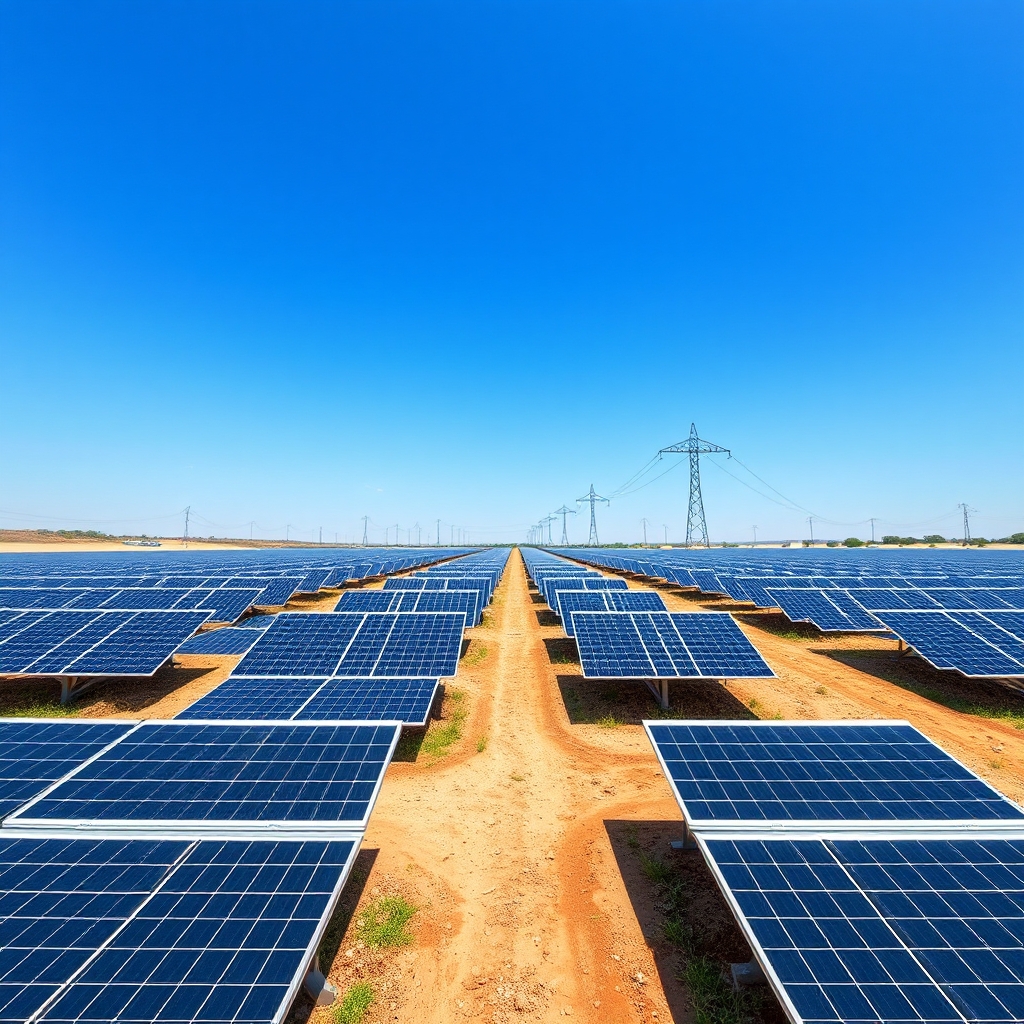
Arevon Energy has signed three 20-year indexed renewable energy credit (REC) contracts for its new solar development in the central United States. The agreements cover the 200 MWac/275 MWdc Panther Energy Project, which is located in Perry County, Illinois. According to Renewable Watch, these long-term deals secure the project's financial viability ahead of construction.
The project represents a significant addition to the state's clean energy portfolio. By locking in 20-year contracts, Arevon ensures a stable revenue stream for the facility. The site in Perry County was chosen to support regional grid needs and contribute to state-level climate goals.
These contracts are part of a broader effort to expand utility-scale solar capacity in Illinois. The deal structure involves multiple counterparties, reflecting the distributed nature of the state's energy demand. This move underscores the growing reliance on indexed REC markets for large-scale solar developments.
Procurement and Regulatory Approval
The path to commercial operation for the Perry County facility has cleared two major administrative hurdles. First, the project was selected during the Illinois Power Agency’s Summer 2026 procurement cycle. This agency acts as a centralized buyer for electricity on behalf of various municipal utilities and school districts across the state. By winning a slot in this specific tender, the development secured a guaranteed offtaker for its environmental attributes. Such competitive procurements are standard mechanisms for public entities to meet renewable energy targets while managing costs. They provide developers with the long-term visibility needed to secure project financing, as the existence of a public offtaker reduces perceived market risk for lenders.
Second, the Illinois Commerce Commission has formally approved the project. State public utility commissions hold significant authority over large-scale generation facilities, particularly regarding interconnection standards and consumer protection mandates. Approval from this body confirms that the project complies with existing state regulations and grid safety protocols. For large solar developments, navigating this regulatory framework is often a lengthy process involving detailed technical reviews and public comment periods. Gaining this approval signals that the administrative groundwork is complete, allowing the project to move forward without facing legal or regulatory delays that could jeopardize the scheduled construction start. Together, the procurement selection and regulatory sign-off establish the necessary legal and commercial foundation for the next phases of development.
Utility Partners and Delivery Volume
The 20-year agreements link Arevon directly to three major electric utilities: Ameren Illinois, Commonwealth Edison Company, and MidAmerican Energy Company. These counterparties represent the primary distribution networks serving the region where the Panther Energy Project is located. In typical utility-scale solar developments, contracting with established incumbents provides developers with a reliable channel for selling renewable energy credits (RECs). RECs are tradable certificates that verify the generation of one megawatt-hour of renewable electricity. By bundling these environmental attributes separately from the physical power, developers can monetize the green value of their output while utilities use the credits to meet regulatory compliance targets or voluntary sustainability goals. This separation allows the physical electricity to flow through the grid as needed, while the environmental claim is transferred to the buyer.
The first-year delivery volume is specified at 421,131 RECs. This figure reflects the expected generation output of the 200 MWac facility during its initial operational year. Developers and investors closely monitor such delivery volumes because they determine the project's annual revenue potential from the REC contracts. A consistent delivery schedule helps stabilize cash flows, which is essential for servicing debt and meeting investor return expectations. For the participating utilities, securing a fixed volume of RECs from a single, large-scale source simplifies their procurement strategy. It reduces the complexity of sourcing credits from numerous smaller generators and provides a predictable supply of renewable attributes. This arrangement supports the broader grid transition by ensuring that a substantial portion of regional electricity consumption is matched with renewable generation, thereby lowering the overall carbon intensity of the local power mix.
| Counterparty | Role in Deal |
|---|---|
| Ameren Illinois | REC Offtaker |
| Commonwealth Edison Company | REC Offtaker |
| MidAmerican Energy Company | REC Offtaker |
The table above lists the three utility partners involved in the contracts. Each entity serves as a purchaser of the renewable energy credits generated by the project. Their participation indicates a diverse buyer base, which can help mitigate counterparty risk for the developer. In the renewable energy market, having multiple offtakers is common for large projects to ensure that the total volume of credits can be absorbed by the market. This structure also aligns with the regional energy landscape, where different utilities may have varying renewable energy targets or customer demand for green power. By engaging these specific utilities, Arevon ensures that the environmental benefits of the solar project are distributed across several service territories. This approach not only supports the financial health of the project but also contributes to the regional goal of increasing the share of renewable energy in the electricity supply. The involvement of these major players underscores the growing acceptance of solar power as a viable and integral part of the utility portfolio.
Construction Timeline
With regulatory approvals and offtake agreements secured, the Panther Energy Project is scheduled to enter the physical build-out phase in the near term. The specific milestones are as follows:
- Construction activities are set to begin in 2027.
- The facility is expected to reach completion in 2028.
This two-year window aligns with standard industry practices for utility-scale solar developments of this magnitude. Typically, the period between breaking ground and reaching commercial operation involves site preparation, foundation pouring, and the installation of hundreds of thousands of photovoltaic modules and inverters. For developers, this timeline is critical because it bridges the gap between financial closing and revenue generation. Lenders often require strict adherence to construction schedules to protect their investments, as delays can lead to liquidated damages or increased carrying costs.
The 2027 start date suggests that pre-construction activities, such as permitting, supply chain procurement, and workforce mobilization, are likely already underway. Moving into 2028 for completion allows for a realistic buffer to handle potential weather disruptions or logistical challenges inherent in large-scale infrastructure projects. Once construction concludes in 2028, the project will undergo commissioning and grid interconnection testing before it can begin delivering the contracted renewable energy credits to its utility partners. This timeline ensures that the physical asset is ready to support the long-term financial obligations established in the earlier procurement and regulatory phases.
What to watch
The primary milestone to monitor is the project’s ability to satisfy Illinois Renewable Portfolio Standard (RPS) obligations. This state mandate requires utilities to source a specific percentage of their electricity from renewable resources. For developers, securing long-term REC contracts like those signed here is a direct mechanism to help utilities meet these regulatory targets. Investors and stakeholders should watch for official confirmation that the Panther Energy Project’s output is formally recognized under the state’s compliance framework. This recognition is critical because it validates the environmental attributes of the generated power, ensuring the credits carry the necessary weight for regulatory reporting.
As construction proceeds toward its 2028 completion date, attention will turn to the physical interconnection with the grid. Successful testing and commissioning are prerequisites for the facility to begin generating billable energy. Any delays in this phase could impact the timing of the first REC deliveries. Readers should observe how the three utility partners integrate these new credits into their respective compliance portfolios. The transition from construction to operational status marks the point where theoretical capacity becomes verified, compliant renewable energy, directly influencing the state’s progress toward its broader decarbonization goals.
Source: Renewable Watch. This article is an original Luminity report based on the linked source.