
Used Ford F-150 Lightning Prices Rise As Demand Surges
Used electric vehicle prices in the US are climbing, with F-150 Lightnings retaining significant value. Industry experts attribute the surge to strong consumer appetite for electric trucks and gas price sensitivity.
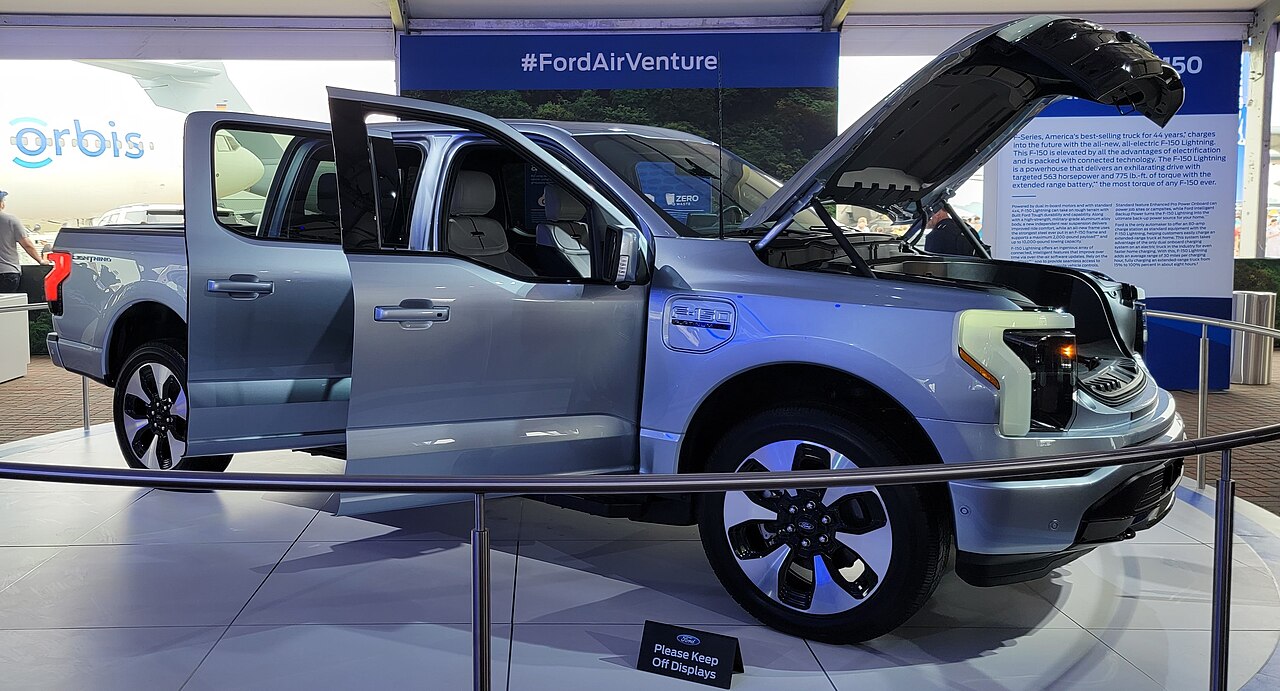
Used electric vehicle prices in the United States are trending upward, with the Ford F-150 Lightning leading the charge. According to CleanTechnica, these trucks currently command 50 to 60 percent of their original sticker price on the secondary market. This valuation reflects a broader shift in buyer behavior toward electrified vehicles, where holding value has become a key consideration for prospective owners.
The demand for these specific models appears robust, driving quick turnover times for dealers and private sellers. CleanTechnica reports that used F-150 Lightnings sell in approximately 20 days. This rapid pace of sales suggests that inventory is moving faster than it is being replenished, creating a tight market environment. Buyers looking for a pre-owned version of the popular electric pickup face a competitive landscape where availability is limited and prices remain firmly elevated compared to previous years.
Resale Value Metrics
While the broader automotive market often sees used vehicles linger on lots for extended periods, the Ford F-150 Lightning is defying that norm. Typical used cars take twice as long to sell as these electric pickups, a distinction that highlights a specific liquidity advantage for buyers and sellers in this segment. For consumers, this speed of transaction matters because it reduces the uncertainty often associated with high-ticket purchases. When inventory turns over quickly, it signals that the market has reached a price equilibrium where demand comfortably meets supply. This dynamic is particularly notable in the electric vehicle space, where early skepticism about depreciation has given way to more confident valuation models.
Individual buyer experiences further illustrate this shifting market sentiment. Chase Norris, for example, purchased a used F-150 Lightning for $40,000, a price point that reflects both the initial depreciation curve and the current premium attached to reliable electric utility vehicles. Such transactions are becoming increasingly common as the secondary market matures. For developers and investors in the EV ecosystem, strong resale values are not just a consumer benefit; they are a critical component of total cost of ownership calculations. When a vehicle retains a predictable percentage of its value, it lowers the financial risk for buyers, encouraging wider adoption. This stability helps normalize the EV purchase process, making it feel less like a speculative investment and more like a standard consumer decision. The rapid sale times and solid pricing seen in this segment suggest that the market is finding its footing, with buyers increasingly willing to pay for proven technology and performance.
Future Model Outlook
Ford’s upcoming product slate suggests that the current pricing resilience of the F-150 Lightning may not be an isolated anomaly, but rather the vanguard of a broader electric truck strategy. The company plans to introduce the Fathom, a midsize electric pickup, in 2027. This move signals an intent to broaden the appeal of electrified utility vehicles beyond the full-size segment, targeting buyers who require robust capability but may find the larger Lightning unnecessary or too expensive for their daily needs. By expanding the lineup, Ford aims to capture a wider slice of the market, potentially increasing overall volume and stabilizing the secondary market through consistent supply.
The scale of this expansion is substantial. Ford predicts annual sales of 100,000 Fathom trucks. For the automotive industry, achieving such volume with a new platform is a significant hurdle that typically requires extensive supply chain coordination and consumer education. However, if realized, this production target could alleviate the inventory tightness currently driving up used F-150 Lightning prices. A larger pool of new electric trucks entering the market generally helps cool secondary market premiums over time, as buyers have more new options to consider. For investors and analysts, this forecast provides a concrete metric for assessing Ford’s long-term commitment to electrification. It suggests that the manufacturer is confident in sustained demand for electric trucks, moving beyond initial pilot programs to mass-market production. This strategic depth could influence how dealers price new and used inventory, potentially creating a more balanced ecosystem where resale values stabilize as new model availability increases.
Market Drivers
Several macroeconomic and policy shifts are currently reshaping the demand landscape for electrified utility vehicles. Key factors influencing current market activity include:
- The expiration of federal EV subsidies in September 2025
- The introduction of new electric models priced at or below $45,000
- A direct correlation between gasoline prices and electric vehicle sales volumes
The conclusion of federal financial incentives marks a pivotal moment for the electric vehicle sector. Typically, government subsidies lower the effective purchase price, making newer, more expensive technology accessible to a broader demographic. When such support ends, manufacturers must compete on value, reliability, and total cost of ownership rather than relying on tax credits to close the gap with internal combustion engine vehicles. For consumers, this shift often leads to a more calculated purchasing process, where the long-term savings on fuel and maintenance must justify the upfront cost without government assistance.
Despite the loss of these subsidies, industry observers note that consumer appetite remains strong. Jimmy Douglas observes that the surging demand indicates a substantial appetite for electric trucks, while Kevin Roberts points to used EV demand as evidence that customers are willing to consider electric options. This willingness suggests that the market is maturing, with buyers increasingly comfortable with the technology itself rather than just the financial incentives attached to it.
Gasoline prices also play a decisive role in this dynamic. Alex Lawrence highlights a direct connection between gas prices and EV sales. Historically, high fuel costs accelerate the adoption of electrified vehicles by highlighting the operational savings of electric drivetrains. When gas prices rise, the economic argument for switching to an electric truck becomes more compelling, often prompting buyers to look at both new and used options to secure the best value. This interplay between fuel costs, subsidy policies, and model pricing creates a complex but responsive market environment.
What to watch
With federal subsidies now expired, the coming months will reveal whether consumer demand for electric utility vehicles remains robust without government financial backing. Buyers are likely to scrutinize total cost of ownership more closely, weighing fuel savings against upfront prices. This shift may accelerate the adoption of used models, as buyers seek proven reliability without the premium attached to new inventory.
Simultaneously, the automotive sector is preparing for a wave of new electric trucks priced under $45,000. These upcoming models will test whether affordability can drive volume growth in a market previously dominated by higher-priced full-size options. If these new entrants gain traction, they could pressure the resale values of existing used electric trucks, potentially stabilizing prices for current owners.
Fuel prices will continue to act as a volatile variable in this equation. Spikes in gasoline costs typically trigger renewed interest in electric alternatives, while drops may slow the pace of adoption. For investors and industry analysts, monitoring these fuel price fluctuations alongside new model releases will provide clear signals about the market’s trajectory. The interplay between supply expansion, policy changes, and fuel economics will determine if the current surge in used electric truck prices sustains or normalizes over the next year.
Source: CleanTechnica. This article is an original Luminity report based on the linked source.