Trina Solar researchers have introduced a framework distinguishing reversible from irreversible ultraviolet-induced degradation in TOPCon solar cells. The work aims to align testing with new IEC standards and improve module reliability assessments.
Greenbacker Renewables has completed the first cranberry harvest from bogs in Plymouth and Kingston, Massachusetts, equipped with overhead solar arrays. The dual-use projects, installed by Distributed Energy Infrastructure, demonstrate a viable model for reviving financially unviable wetland crops.
Tata Power Renewable Energy reported a 130% year-on-year jump in utility-scale commissioning for Q2 FY27, reaching 419 MW. The company also deployed 131.2 MWh of battery storage, with a significant portion dedicated to third-party customers.
Leapting has introduced the Auto-Navigation Forklift Robot (AFR), a tracked vehicle designed to handle solar module pallets weighing up to 3,000 kg on construction sites. The system utilizes advanced navigation sensors and a robust chassis to operate in challenging environmental conditions.
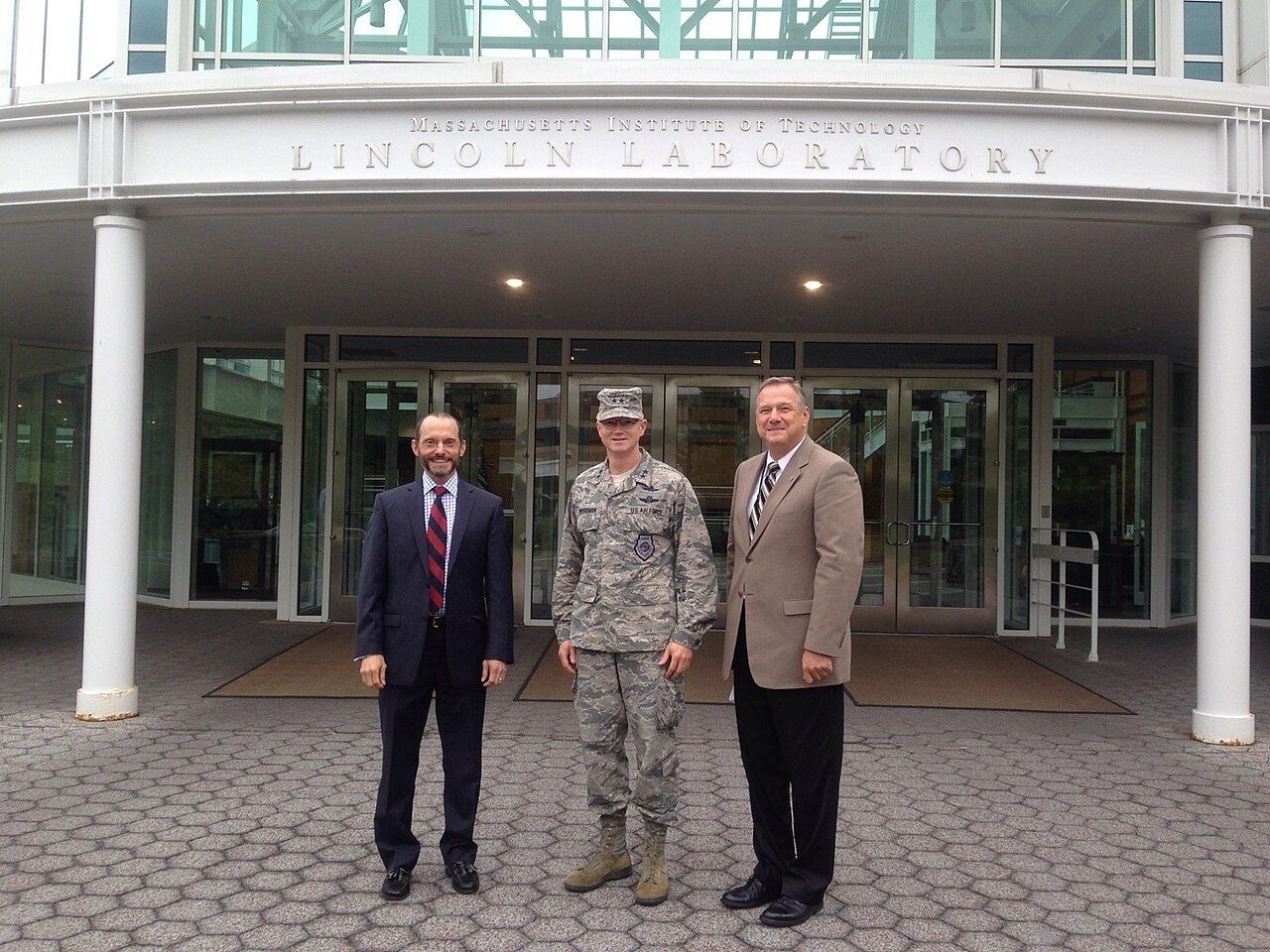
New research from MIT examines how different solar deployment models influence residential electricity pricing across the United States. The findings suggest a stark divergence in economic impact between large-scale installations and distributed rooftop systems.
The new Hyper-ion series module utilizes advanced optical coatings to minimize sunlight reflection for airport and residential applications. Risen Energy's latest bifacial product achieves a maximum power output of 730 W with a 23.5% conversion efficiency.
France's latest ground-mounted solar tender has awarded 930 MW of capacity to 125 projects, with a weighted average price of €60/MWh. This represents a significant decline in price compared to previous rounds, with implications for the country's renewable energy goals.
Researchers at the Liten institute of the French Alternative Energies and Atomic Energy Commission (CEA) have made significant advancements in solar panel technology, achieving higher efficiency and power output. This development could pave the way for more efficient and cost-effective solar energy solutions.
A team from Indonesia's Institut Teknologi Sepuluh Nopember has made significant advancements in solar panel testing, focusing on surge protection and efficiency ratings. Their work aims to enhance the safety and performance of solar energy systems.

 Solar
Solar