
Researchers Develop New Solar Panel Testing Standards
A team from Indonesia's Institut Teknologi Sepuluh Nopember has made significant advancements in solar panel testing, focusing on surge protection and efficiency ratings. Their work aims to enhance the safety and performance of solar energy systems.
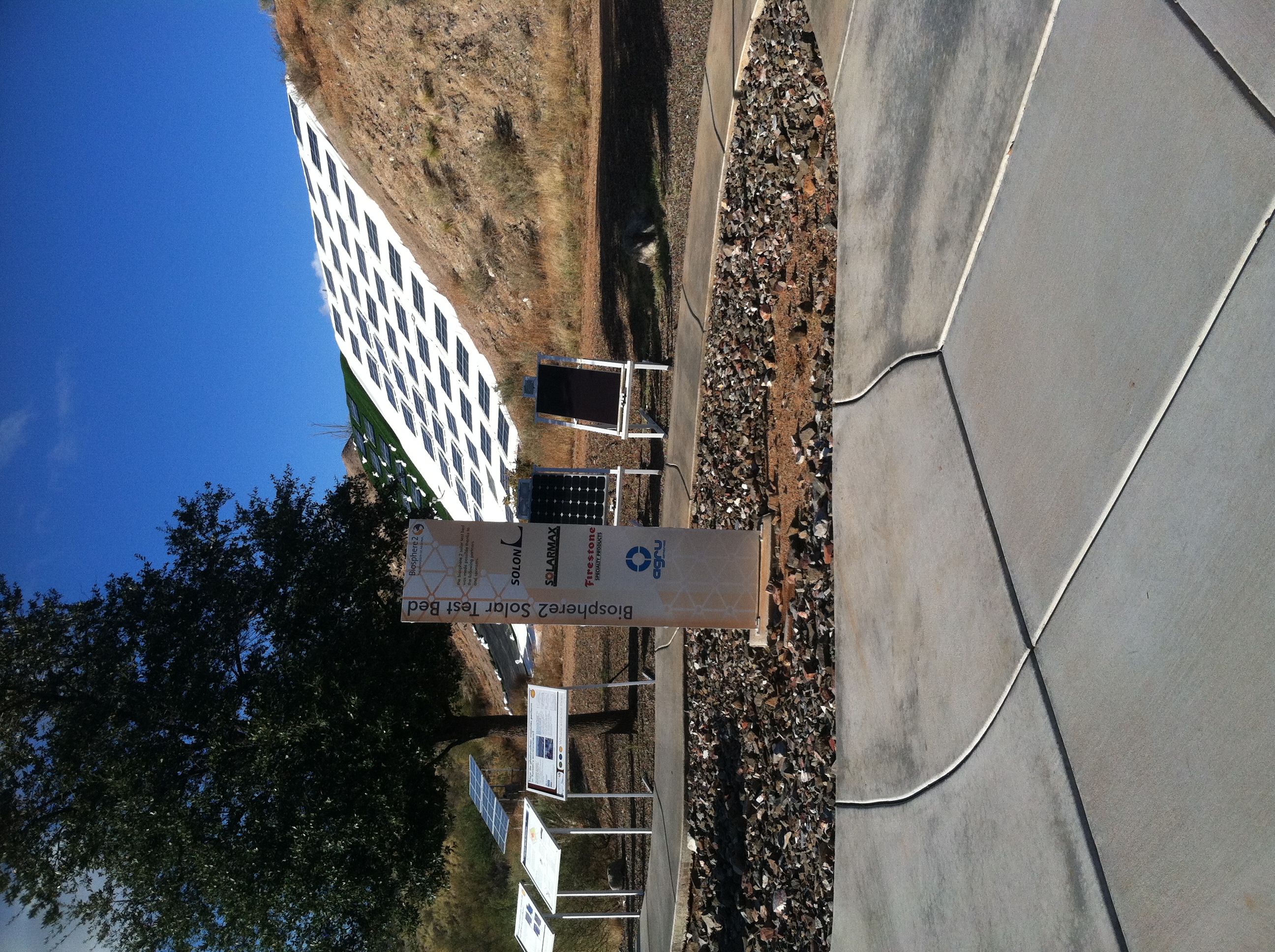
The development of more efficient and safer solar panels is crucial for the growth of the solar energy sector. Researchers at Indonesia's Institut Teknologi Sepuluh Nopember have been working on improving solar panel testing standards, with a focus on surge protection and efficiency ratings.
Surge Protection in Solar Panels
Surge protection is a critical aspect of solar panel safety, as it helps prevent damage from sudden voltage surges that can occur due to lightning strikes or grid faults. The researchers from Institut Teknologi Sepuluh Nopember have been testing solar panels with various surge protection devices, including those that can handle high currents.
Testing Parameters
The testing involved solar panels with a power rating of 200 W and a setup of 10 solar panels.
- The researchers used a surge current of 50 kA and a waveform of 1.2/50 μs, which is a standard for testing surge protection devices.
- The soil resistivity was varied between 30 Ωm and 3,000 Ωm to simulate different environmental conditions.
Implications for Solar Panel Developers and Operators
These tests aim to ensure that solar panels can withstand extreme conditions, including high-voltage surges. According to IEEE Std 80, solar panels should be designed to handle such surges. By standardizing surge protection testing, developers and operators can better assess the risks and ensure the reliability of their solar panel systems. This is particularly important as the demand for solar energy continues to grow, and large-scale solar farms are being integrated into the grid.
Efficiency Ratings of Solar Panels
The efficiency of solar panels is a crucial factor in determining their performance and overall value for developers, investors, and consumers. Solar panel efficiency measures the percentage of sunlight that can be converted into usable electricity. The researchers from Institut Teknologi Sepuluh Nopember have been testing solar panels with different efficiency ratings.
Variability in Efficiency Ratings
The efficiency ratings of the tested solar panels vary significantly:
- Panel 1: 47.5%
- Panel 2: 54.8%
- Panel 3: 43.2%
- Panel 4: 50.7%
These ratings indicate that Panel 2 has the highest efficiency, while Panel 3 has the lowest among the four. The differences in efficiency ratings can have significant implications for solar panel developers, investors, and consumers. Higher efficiency panels can generate more electricity per unit area, making them more valuable for projects where space is limited. Conversely, lower efficiency panels may be more suitable for projects with ample space or lower electricity output requirements. By standardizing the testing of solar panel efficiency, the researchers aim to provide a more accurate basis for comparing and selecting solar panels for various applications, ultimately benefiting the grid by enabling more efficient and reliable solar energy generation.
Testing Standards and Protocols
The development of new testing standards and protocols for solar panels marks a significant advancement in ensuring the reliability and efficiency of photovoltaic systems. Researchers at Institut Teknologi Sepuluh Nopember have been working on these standards, based on the IEEE Std 80, to better simulate real-world environmental conditions that solar panels may face.
Enhancing Durability and Safety
The testing involves simulating various environmental stressors, including lightning strikes and voltage surges, which can significantly impact the performance and longevity of solar panels.
- To mimic lightning strikes, researchers utilized high-voltage test equipment, generating voltages within the range of 1.97 MV to 2.64 MV, and currents up to 48.78 kA.
- The tests also evaluated the solar panels' response to different surge currents, including those at 50 kA with a waveform of 1.2/50 μs.
Implications for the Industry
These enhanced testing standards are crucial for developers, investors, and consumers alike, as they aim to ensure that solar panels can withstand extreme conditions, thereby reducing the risk of damage and increasing their lifespan. For instance, solar panels with improved durability can lead to lower maintenance costs and higher efficiency rates, such as the 47.5% and 54.8% efficiency rates observed in some tested panels. By pushing the boundaries of what solar panels can endure, these new standards support the broader adoption of solar energy, contributing to a more resilient and efficient grid.
Upcoming Events and Milestones
The development of new solar panel testing standards by researchers at Institut Teknologi Sepuluh Nopember has several significant upcoming events and milestones.
Key Dates
- October 12, 2026: A workshop on solar panel testing and surge protection, likely to focus on the practical application of the new standards, including testing for surge withstand capabilities, such as 1.2/50 μs and 50 kA.
- October 20-22, 2026: A conference on solar energy and renewable power, where the researchers will present their findings and discuss the implications of the new standards with industry experts.
- October 21, 2026: A training session on solar panel testing and certification, which will cover the new standards and their implementation, including testing for high-voltage surges up to 2.64 MV.
- October 23, 2026: A meeting with industry stakeholders to discuss the new testing standards and their potential impact on the sector, including effects on panel efficiency ratings, such as 47.5% and 54.8%.
- November 30-December 3, 2026: An international conference on renewable energy and sustainable development, where the researchers will share their work with a global audience and explore the integration of the new standards into existing guidelines, such as IEEE Std 80.
What to watch
Enhanced Safety and Performance Standards
The introduction of new solar panel testing standards is crucial for ensuring the safety and performance of solar energy systems, which are becoming increasingly important as the sector expands. These standards, developed in part by researchers at Indonesia's Institut Teknologi Sepuluh Nopember, aim to assess the resilience of solar panels under various conditions, including high voltage and current stresses. For instance, solar panels are tested against surges with a 1.2/50 μs waveform and currents up to 50 kA.
The new standards will likely have significant implications for developers, investors, and consumers. Key aspects to consider include:
- Higher performance expectations: The new standards may require solar panels to meet higher efficiency thresholds, such as 47.5% or higher, compared to existing benchmarks.
- Improved safety certifications: Compliance with standards like IEEE Std 80 will be essential to ensure solar panels can withstand extreme conditions, reducing the risk of electrical shock or fires.
As the solar industry continues to evolve, these enhanced testing standards will play a critical role in building trust among stakeholders and facilitating the integration of solar energy systems into the grid. By October 12, 2026, these new standards are expected to take effect, influencing the development and deployment of solar energy technologies.
Source: pv magazine. This article is an original Luminity report based on the linked source.