
Tata Power Renewables commissions 419 MW in Q2, storage hits 131 MWh
Tata Power Renewable Energy reported a 130% year-on-year jump in utility-scale commissioning for Q2 FY27, reaching 419 MW. The company also deployed 131.2 MWh of battery storage, with a significant portion dedicated to third-party customers.
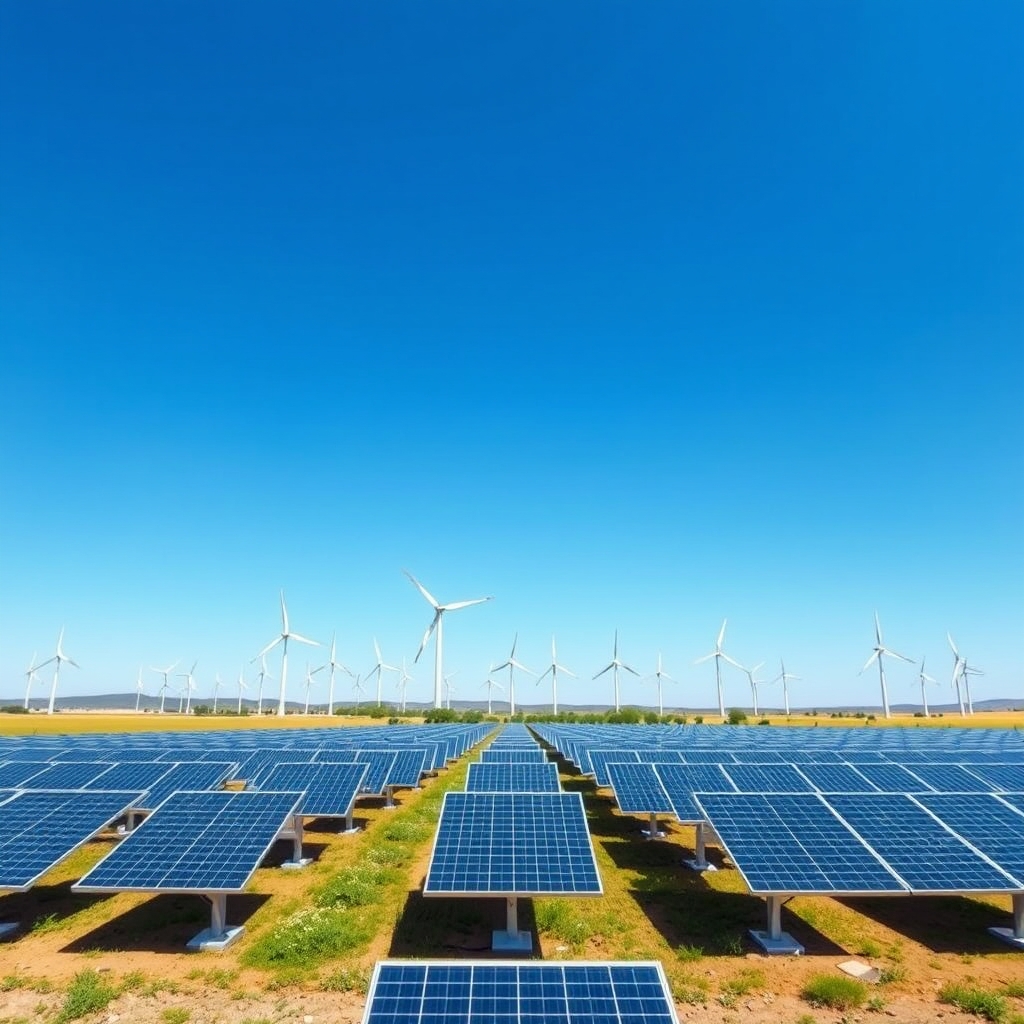
Tata Power Renewable Energy has commissioned 419 MW of utility-scale projects in the second quarter of FY27, marking a significant acceleration in execution pace. According to ETEnergyWorld Renewables, this figure represents a 130% year-on-year increase compared to the 182 MW commissioned in the same period last year.
The surge in deployment reflects the company's continued focus on scaling its renewable energy capacity. The quarterly performance underscores a robust execution pipeline that has outpaced prior year benchmarks, highlighting the operator's ability to mobilize and complete large-scale infrastructure projects within the fiscal quarter.
Storage Deployment Breakdown
- Executed 131.2 MWh of battery storage in Q2 FY27
- 101.2 MWh of battery storage for own operations, 30 MWh for third-party customers
The bulk of this installed capacity is allocated to internal use, with 101.2 MWh designated for the company’s own operations. The remaining 30 MWh serves third-party customers, indicating a dual approach to monetizing and utilizing grid-scale storage assets. For developers, integrating battery storage alongside generation projects is a common strategy to manage intermittency and optimize revenue streams. Such plants typically discharge during peak demand periods or when electricity prices are high, allowing operators to capture value beyond simple energy sales.
This split between self-consumption and third-party supply reflects the evolving role of storage in the power market. While self-use helps stabilize the operator’s own load profile and reduce reliance on the grid during high-cost hours, third-party contracts provide a steady income stream independent of generation output. Investors often view this diversification favorably, as it mitigates the risk associated with fluctuating power prices. The deployment of over 130 MWh in a single quarter suggests a maturing execution capability in the storage segment, which is increasingly vital for balancing renewable-heavy grids. By balancing internal utility with external sales, operators can enhance the overall financial resilience of their renewable portfolios.
H1 FY27 Project Deliverables
The first half of fiscal year 2027 reveals a diversified execution portfolio that extends beyond the second-quarter surge. Tata Power Renewable Energy commissioned a total of 645 MW of renewable energy capacity and 161.2 MWh of battery storage during the period. This cumulative output combines the strong Q2 performance with earlier milestones, illustrating a consistent delivery rhythm rather than a single isolated spike. The mix of technologies and project types highlights a strategic approach to scaling assets across different segments of the energy market.
| Project Name | Technology | Capacity (MW) | Storage (MWh) |
|---|---|---|---|
| Jewali Wind | Wind | 100.8 | - |
| Kalasar | Solar | 227.5 | 101.2 |
| Kayathar Group Captive | - | 100 | - |
| Tata Steel Captive | - | 72.5 | - |
These four projects form the backbone of the half-year's achievements. The Kalasar facility stands out as a hybrid asset, pairing substantial solar generation with significant battery integration, which aligns with industry trends favoring co-located storage to enhance grid reliability. The inclusion of captive projects for Kayathar Group and Tata Steel indicates a focus on serving large industrial consumers directly. For developers, captive arrangements often provide long-term, fixed-revenue contracts that reduce market exposure compared to open-market sales. This structure offers financial predictability, which is attractive to lenders and equity investors seeking stable cash flows. The wind project at Jewali adds diversity to the portfolio, ensuring that generation is not solely dependent on solar irradiance. Together, these assets demonstrate an ability to execute complex, multi-technology projects within a tight timeframe. Such execution capability is critical in a market where permitting and construction schedules are increasingly compressed. By balancing utility-scale, hybrid, and captive models, the operator mitigates risks associated with any single project type or market condition. This variety strengthens the overall portfolio’s resilience and supports long-term growth objectives in the renewable energy sector.
Current Operational Portfolio
With the recent additions integrated into the grid, Tata Power Renewable Energy’s total operational utility-scale portfolio has expanded to 7.2 GW. This cumulative figure represents the sum of all commissioned assets, providing a comprehensive snapshot of the company’s current generation and storage capabilities. The composition of this portfolio is heavily weighted toward photovoltaic technology, with 5.8 GW dedicated to solar power. This dominant share reflects the sector’s broader shift toward solar as the primary source of new renewable capacity, driven by declining module costs and favorable insolation conditions in many operating regions.
Wind energy contributes 1.3 GW to the mix, offering a complementary generation profile that often performs well during periods of lower solar output, such as evenings or cloudy days. This diversification helps stabilize overall output and reduces reliance on any single weather pattern. The portfolio now includes 281.2 MWh of battery storage capacity. This storage buffer is essential for managing the inherent variability of renewable sources, allowing operators to shift energy from times of excess generation to periods of peak demand. For grid operators, such integrated storage assets enhance reliability and support frequency regulation, which is increasingly important as higher shares of variable renewable energy enter the system.
The scale of this portfolio positions the company as a major player in the utility-scale renewable space. Maintaining such a large operational base requires robust asset management practices, including regular maintenance, performance monitoring, and efficient grid synchronization. Investors often scrutinize the technology mix and storage integration when evaluating long-term revenue stability, as these factors directly influence the ability to meet contractual obligations and maximize market value. The balance between solar, wind, and storage indicates a mature operational strategy focused on both volume and quality of power delivery.
What to watch
The second half of fiscal 2027 sets the stage for a significant scale-up, with a stated execution target of over 2 GW in new renewable capacity. This ambitious phase includes 1,075 MW of solar and 969 MW of wind, alongside 274 MWh of additional battery storage. For investors, the composition of this pipeline is telling. The inclusion of 300 MW designated for third-party projects signals a strategic move to diversify revenue streams beyond captive or self-consumption models. Such open-market arrangements typically involve power purchase agreements with utilities or large industrial consumers, introducing different risk and reward dynamics compared to fixed-rate captive deals.
By year-end, the operational portfolio is targeted to reach 9.3 GW. This total comprises 6,899 MW of solar, 2,298 MW of wind, and 555.2 MWh of storage. Achieving this milestone requires seamless integration of these new assets into the existing grid infrastructure. Readers should monitor how effectively the company manages the technical challenges of synchronizing such a large volume of new generation within a six-month window. The balance between solar and wind additions also suggests a continued effort to smooth out generation profiles, reducing dependence on any single weather pattern. Ultimately, the success of this half-year will hinge on execution speed and the ability to secure stable offtake for the new third-party capacity.
Source: ETEnergyWorld Renewables. This article is an original Luminity report based on the linked source.