
Sunsure Energy Signs 21 MWp Solar PPA with SPR Companies
Sunsure Energy has secured a long-term captive power agreement with SPR Auto Technologies and SPR Takahata Precision India for 21 MWp of solar capacity. The deal, supported by battery storage in Rajasthan, helps SPR meet its 2030 renewable energy targets.
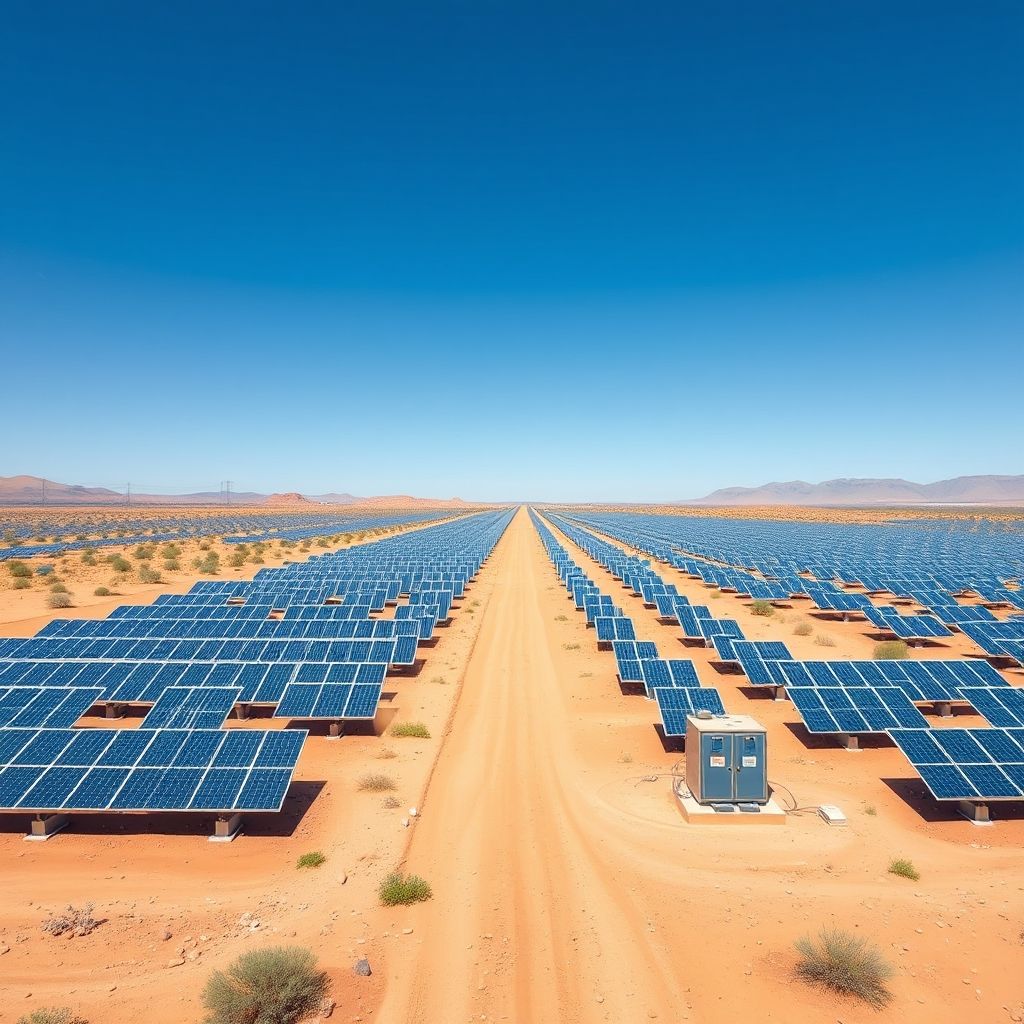
Sunsure Energy has signed a long-term group captive power purchase agreement with SPR Auto Technologies and SPR Takahata Precision India. The agreement covers a combined 21 MWp of solar capacity supported by battery energy storage systems in Rajasthan.
SPR Auto Technologies, formerly known as Shriram Pistons & Rings Ltd, is recognized as India’s largest piston manufacturer. This partnership is a step in the company’s energy transition strategy.
Power Supply Details
The electricity under this agreement will be drawn from Sunsure’s existing 81 MWp solar installation located in Mundsar, Rajasthan. This facility operates as a dedicated hybrid plant, combining photovoltaic generation with battery energy storage systems. The integration of storage is a critical technical element here, as it allows the plant to manage the intermittent nature of solar irradiance. By storing excess energy generated during peak sunlight hours, the BESS component helps stabilize output and ensures a more consistent power flow to the industrial consumers, which is often a requirement for heavy manufacturing processes that cannot tolerate voltage fluctuations or supply interruptions.
Under the terms of the captive PPA, the plant is designated to supply approximately 35 million units of electricity annually to the SPR companies. This volume represents a specific, quantified commitment tied to the group’s operational energy needs. For industrial entities, securing a fixed annual supply from a dedicated source provides predictability in energy procurement. The use of a "group captive" structure means the power is generated specifically for the SPR entities, rather than being sold into the open grid. This arrangement typically allows the buyer to hedge against volatile market tariffs and ensures that the renewable energy credits are directly attributable to their own consumption, aligning with corporate sustainability reporting standards. The Mundsar location in Rajasthan is strategically significant, as the region offers high solar irradiance levels, which supports the efficiency and output reliability of the 81 MWp array.
Sustainability Targets
The partnership directly addresses SPR Auto Technologies’ stated environmental goals. By offsetting approximately 24,840 metric tonnes of CO₂e emissions annually, the agreement provides a tangible reduction in the company’s carbon footprint. This volume of avoided emissions is significant for heavy manufacturing, where energy-intensive processes often drive substantial greenhouse gas output. Shifting from grid-supplied power, which frequently relies on fossil fuels, to dedicated solar generation allows the firm to replace high-carbon electricity with clean energy. This substitution is the primary mechanism through which industrial companies achieve their decarbonization targets.
These operational changes align with SPR Auto Technologies’ broader strategic milestones. The company has set a target to source 50% of its energy consumption from renewable sources by 2030. The current 21 MWp capacity contributes directly to this interim goal, helping to bridge the gap between current energy mix and the desired renewable share. The partnership supports the long-term objective of achieving Net Zero emissions by 2045. While solar and storage do not eliminate all operational emissions, they form a foundational element of the reduction strategy required to reach that eventual balance.
For industrial entities, locking in renewable supply through long-term PPAs is a practical way to manage both energy costs and sustainability metrics. The fixed nature of the agreement ensures that the emission reductions are consistent and verifiable, which is essential for corporate reporting. By integrating this specific volume of clean power into its operations, SPR Auto Technologies can track its progress toward the 2030 renewable target with greater precision. This approach moves beyond simple offsetting, embedding renewable energy directly into the production process to drive structural changes in the company’s energy profile.
Executive Perspectives
- SPR Auto Technologies Executive Director Sumantra Mukherjee emphasized that renewable energy adoption is important for the company's sustainability strategy.
- Sunsure Energy Founder, Chairman and CEO Shashank Sharma stated that the partnership enables access to reliable clean energy.
The comments from both leadership teams underscore the strategic rationale behind the transaction. For SPR Auto Technologies, the decision to secure dedicated solar power is framed not merely as a procurement exercise, but as a core component of its broader environmental commitments. By identifying renewable adoption as vital to its sustainability strategy, the executive signals that the move supports the operational goals outlined in the previous section, specifically the shift toward a lower-carbon energy mix. This perspective aligns the commercial agreement with the firm’s internal decarbonization roadmap, reinforcing the idea that clean energy integration is a prerequisite for meeting long-term environmental targets rather than an optional add-on.
From the supplier’s side, Sunsure Energy’s leadership highlights the reliability aspect of the offering. By noting that the partnership enables access to reliable clean energy, Shashank Sharma addresses a common concern regarding intermittent renewable sources. The inclusion of battery storage in the facility design, as detailed in the power supply section, directly supports this claim of reliability. For industrial buyers, the assurance of a stable, clean power source mitigates the risks associated with variable generation, making the renewable option a viable alternative to traditional grid power. This focus on reliability bridges the gap between environmental intent and practical industrial utility, ensuring that the clean energy supply can consistently support manufacturing operations without compromising on performance standards.
What to watch
Attention now shifts to Sunsure Energy’s broader development pipeline in Rajasthan, where the company is currently constructing a 200 MW wind-solar hybrid project at Sheo. This facility represents the next tangible milestone in the firm’s regional expansion, diversifying its generation mix beyond standalone solar arrays. The hybrid configuration combines wind and solar resources, a design often employed to smooth out generation profiles by leveraging complementary weather patterns. As construction progresses, the commissioning schedule for this specific project will serve as an immediate indicator of Sunsure’s operational execution capabilities in the state.
Beyond the Sheo site, Sunsure is developing 1 GW of inter-state CTU-connected capacity within Rajasthan. This infrastructure is designed to transmit power across state boundaries, addressing transmission bottlenecks that can limit the market reach of local generation assets. The scale of this inter-state project suggests a shift toward serving larger, potentially multi-state demand centers rather than remaining confined to local captive users. The successful integration of this capacity into the wider grid will depend on regulatory approvals and grid connectivity timelines, which remain distinct from the local PPA arrangements.
The culmination of these efforts is Sunsure’s plan to commission close to 2 GW of capacity in Rajasthan by 2028. This target aggregates the current developments, including the hybrid project and inter-state assets, into a substantial regional footprint. For observers, the 2028 timeline provides a concrete benchmark to assess whether Sunsure can maintain its development pace while managing the logistical complexities of large-scale renewable infrastructure. The realization of this 2 GW milestone will solidify the company’s position as a major player in the state’s renewable energy sector, moving beyond single-site partnerships to a comprehensive regional presence.
Source: pv magazine India. This article is an original Luminity report based on the linked source.