
SolarEdge Nexis IslandDER Approved by PG&E, SDG&E for Residential Solar
SolarEdge’s Nexis IslandDER meter collar has received approval from PG&E and SDG&E, streamlining residential solar and storage interconnection. The device, developed with ConnectDER, uses digital ethernet to link inverters, with further utility testing and nationwide availability scheduled for 2026.
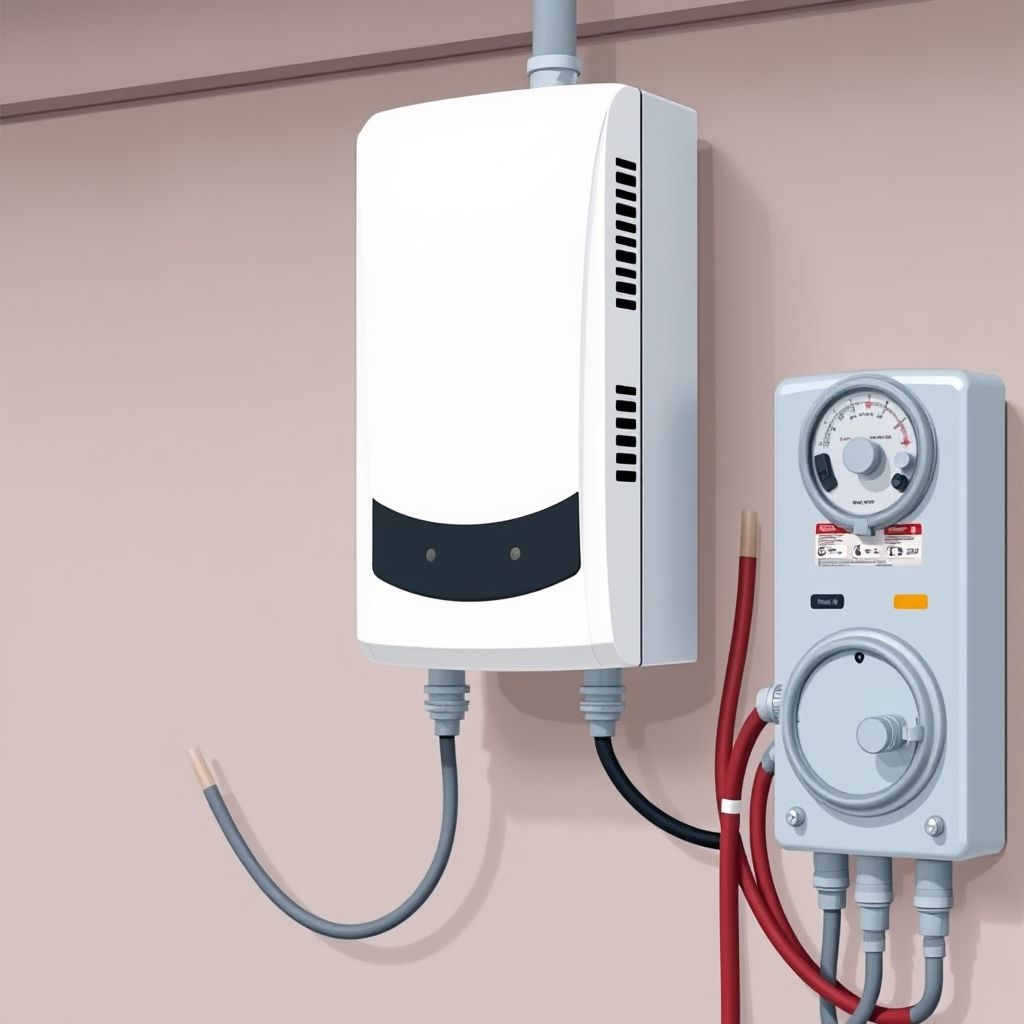
SolarEdge has received approval from Pacific Gas & Electric (PG&E) and San Diego Gas & Electric (SDG&E) for its Nexis IslandDER meter collar, according to pv magazine USA. The device is designed to connect distributed energy resources directly between utility meters and sockets, facilitating the integration of residential solar systems into the grid.
This approval is notable as it involves two of the three major utilities in California, a state where these providers collectively serve over 5.38 million residential customers. By securing these approvals, the company expands the range of utilities where its specific hardware can be installed for residential solar projects. The move highlights the ongoing technical requirements for connecting distributed energy resources within the region’s largest utility frameworks.
Utility Approvals and Testing
The recent regulatory green light from Pacific Gas & Electric and San Diego Gas & Electric places the Nexis IslandDER within a limited group of certified hardware. Under SDG&E’s current framework, the device is one of only five Metering Service Agreements approved for use. At PG&E, the approval list is even tighter, with the Nexis IslandDER serving as one of just four recognized MSAs. These small numbers reflect the rigorous technical standards both utilities apply to third-party equipment that interfaces directly with their metering infrastructure. For installers, being on these short lists is a practical necessity; without this specific certification, the hardware cannot be legally deployed for residential solar connections on those networks.
The approval process does not end with the two utilities that have already signed off. Southern California Edison, the third major investor-owned utility in the state, has scheduled witness testing for the device. Witness testing is a critical verification step where the utility’s engineers observe the equipment undergoing standardized performance and safety checks. Passing this examination is required before the hardware can be added to Edison’s approved list. Until that testing is complete and successful, the Nexis IslandDER remains unavailable for projects under Southern California Edison’s jurisdiction. This pending status means that while the device is ready for deployment in the PG&E and SDG&E service territories, it must still clear Edison’s specific technical hurdles to achieve statewide coverage across the region’s major utility frameworks.
Technical Specifications and Design
SolarEdge developed the Nexis IslandDER in collaboration with ConnectDER, a partnership that shapes the device’s core architecture. The hardware relies on a digital ethernet connection to communicate directly with SolarEdge inverters. This wired interface distinguishes the system from wireless alternatives, providing a stable data link for monitoring and control between the meter collar and the inverter. For residential installations, this direct communication path is essential for ensuring the device accurately reports energy flow and status to the utility.
The inverter component defines the system’s power handling capabilities. The SolarEdge Nexis inverter delivers 13 kW when operating on-grid and 14.5 kW in off-grid mode. This dual-rated output allows the system to manage higher loads during grid outages, a critical feature for islanded operation. Storage capacity is equally modular, built from 5 kWh Nexis battery blocks. Users can scale the system by adding these units, with total capacity supporting up to 80 kWh. This modularity lets homeowners tailor storage size to specific backup needs rather than committing to a fixed, single-size battery.
| Component | Specification |
|---|---|
| Inverter On-Grid Output | 13 kW |
| Inverter Off-Grid Output | 14.5 kW |
| Battery Block Size | 5 kWh |
| Maximum Total Capacity | 80 kWh |
The disparity between on-grid and off-grid output highlights the engineering focus on resilience. The 1.5 kW increase in off-grid mode ensures the inverter can sustain essential loads when the grid fails, preventing immediate shutdowns under heavy demand. Meanwhile, the 5 kWh block size offers granular control over initial investment and future expansion. By capping total capacity at 80 kWh, the system provides a clear upper limit for residential backup, balancing cost and utility for typical household energy requirements.
Industry Reception and Timeline
- Zachary Hood, director of residential construction at Stellar Solar, noted that the IslandDER meter collar simplifies the interconnection process and keeps installations clean when paired with SolarEdge Nexis.
- Hood stated that efficiency improvements in solar and storage deployment benefit both installation crews and homeowners.
- SolarEdge unveiled Nexis products at the RE+ trade show in Las Vegas in late 2025.
- Nexis components are scheduled for nationwide availability in June 2026.
Field practitioners view the hardware primarily through the lens of operational efficiency. For Stellar Solar, the streamlined interconnection process reduces complexity on-site, allowing crews to execute installations with fewer variables. This direct impact on workflow translates to tangible benefits for homeowners, who receive a cleaner, more straightforward setup for their residential systems. The feedback underscores how specific hardware design choices influence the practical realities of daily fieldwork, moving beyond theoretical performance metrics to address the immediate needs of installers.
The rollout timeline aligns with broader industry cycles, beginning with a public debut at a major trade event before moving to general market distribution. The late 2025 presentation at RE+ in Las Vegas served as the initial exposure for the product line, establishing visibility among industry professionals and potential customers. Following this launch phase, the company plans to make the components available nationwide in June 2026. This gap between unveiling and widespread availability allows for the logistical preparation necessary to support distribution across the country, ensuring that supply chains and support structures are in place before the hardware reaches a broader customer base.
What to watch
The immediate focus shifts to Southern California Edison, which has scheduled witness testing for the Nexis IslandDER. This verification step requires Edison engineers to observe the equipment undergoing standardized performance and safety checks. Until this examination is passed, the device remains unavailable for projects within Edison’s service territory. Success here is the final hurdle for statewide coverage across the region’s three major investor-owned utilities, completing the approval process that has already secured sign-off from PG&E and SDG&E.
Beyond the California market, the device’s broader acceptance is anchored by existing approvals from 86 utilities across 33 states. These Multi-State Approvals (MSAs) provide a foundation for deployment in other regions, but local utility requirements can still introduce specific technical hurdles. For installers, the key milestone is the completion of Edison’s testing, which will determine when the hardware can be legally deployed across the entire state’s residential solar networks.
The timeline for wider adoption also hinges on the nationwide availability of Nexis components, scheduled for June 2026. This date follows the product’s unveiling at the RE+ trade show in late 2025. As supply chains stabilize and support structures are finalized, the market will see if the streamlined interconnection process praised by field practitioners translates into faster deployment rates. The convergence of utility certifications and product availability will define the next phase of residential solar integration in these regions.
Source: pv magazine USA. This article is an original Luminity report based on the linked source.