
Gaylord National Activates 3.5-Acre Rooftop Solar Array in Maryland
The Gaylord National Resort & Convention Center has activated a 4,696-panel solar array spanning 3.5 acres of its rooftop. The system, which came online in June 2026, is designed to offset up to 50% of the resort’s purchased electricity.
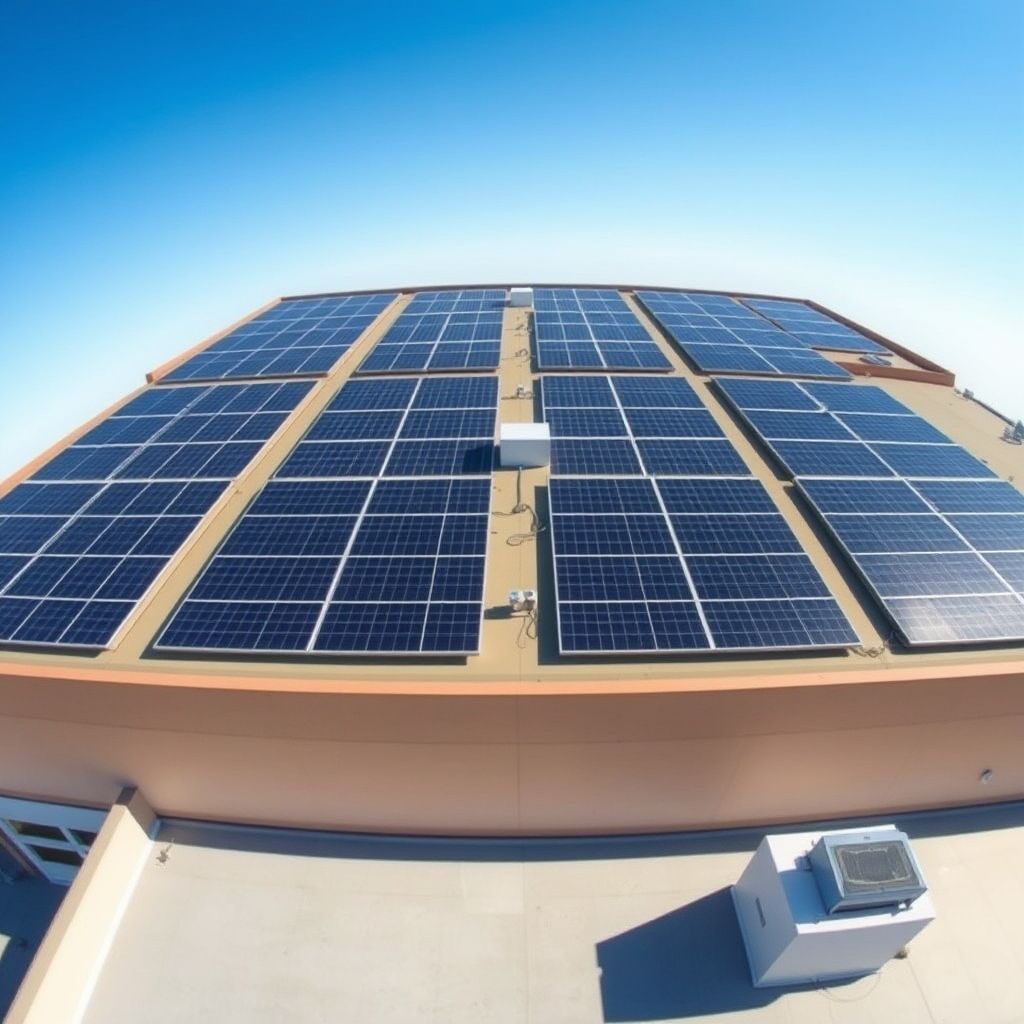
Gaylord National Resort & Convention Center in National Harbor, Maryland, has activated a new rooftop solar array. According to the company, the installation spans approximately 3.5 acres atop the convention center. The system features 4,696 solar panels, marking a notable addition to the facility’s energy infrastructure.
This development highlights the growing adoption of on-site renewable energy in large-scale hospitality and convention venues. By utilizing its extensive roof space, the resort integrates solar generation directly into its operations. While specific output figures were not provided in the initial report, the scale of the array suggests a meaningful contribution to the site’s overall energy mix.
The project aligns with broader trends in the clean energy sector, where commercial buildings are increasingly turning to rooftop installations to manage costs and reduce reliance on grid-supplied power. Such initiatives often serve as practical demonstrations of how large structures can incorporate sustainable technologies without requiring additional land use.
Energy Performance
The newly activated array, which came online in June 2026, is engineered to address specific operational demands rather than serving as a primary power source. At peak times, the system is designed to supply up to 20% of the resort’s total electrical load. This capability allows the facility to draw significantly less power from the local utility grid during high-demand periods. Over a broader timeframe, the installation offsets up to 50% of the electricity the resort purchases from its local utility provider, reducing the volume of externally sourced grid power required to maintain operations.
To contextualize this output, the array produced power equivalent to that consumed by approximately 48 average U.S. households over the course of one year. This metric provides a tangible benchmark for the system’s annual generation capacity, translating commercial-scale infrastructure into a relatable domestic consumption standard. By displacing nearly half of the site’s purchased electricity, the project demonstrates how large commercial rooftops can materially shift energy sourcing away from traditional utility supply.
Stakeholder Perspectives
- Mark Fioravanti, president and CEO of Ryman Hospitality Properties, highlighted the collaboration with Marriott International.
- Fioravanti noted that the project reduces demand on the local power grid.
- Gaylord National partnered with REV Energy Ventures to develop the installation.
- Jeff Bedard, founder and CEO of REV Energy Ventures, stated the project demonstrates large hospitality renewable integration.
Mark Fioravanti, president and CEO of Ryman Hospitality Properties, underscored the strategic importance of the alliance with Marriott International. He identified the decrease in local power grid demand as a primary operational advantage. This viewpoint illustrates how leading hospitality brands perceive on-site energy production as more than an environmental indicator; it is a practical tool for regulating energy consumption and grid reliance at large venues.
Jeff Bedard, founder and CEO of REV Energy Ventures, presented a separate angle on the initiative’s impact. Bedard described the setup as a definitive example of large hospitality renewable integration. For firms such as REV Energy Ventures, these endeavors confirm the technical and commercial viability of incorporating substantial solar capacity into current convention center frameworks, establishing a model for other facilities aiming to add renewables without increasing their physical space.
Existing Infrastructure
Prior to the new rooftop array, Gaylord National relied on an on-site cogeneration system operating since 2018. This technology simultaneously produces electricity and captures waste heat for repurposing, a mechanism that significantly improves overall energy efficiency compared to separate generation and heating processes. The existing infrastructure is substantial, helping meet more than 75% of the resort’s total energy needs. This high baseline of on-site generation means the facility already manages the majority of its power requirements independently of the external grid.
Derek Brauner, director of engineering at Gaylord National, explained that the new solar installation strengthens this cogeneration foundation. By adding solar capacity to a site already dominated by cogeneration, the resort layers a second renewable source onto its primary energy system. This approach allows the facility to diversify its on-site generation methods while maintaining the high efficiency established by the earlier plant. The integration demonstrates how existing large-scale mechanical systems can be augmented with newer technologies to further optimize energy management without replacing the core infrastructure.
Sustainability Initiatives
Beyond the new solar array, Gaylord National integrates several distinct operational practices designed to minimize waste and resource consumption across the property. These efforts complement the facility’s energy generation by addressing material flow and daily guest interactions.
One visible component of this strategy involves rooftop beehives and an on-site herb garden. While the primary function of these features is agricultural and ecological, they contribute to the resort’s broader environmental footprint by supporting local pollinator populations and providing fresh ingredients. This approach moves beyond passive energy savings to active biological stewardship within the facility’s physical boundaries.
Material waste management represents a more quantifiable aspect of the initiative. The resort recycles up to 170,000 pounds of cardboard each month. This high volume reflects the scale of packaging generated by convention events and hotel logistics. By diverting this specific waste stream from landfills, the property reduces the environmental burden associated with disposing of large quantities of fiber-based materials that would otherwise decompose or require incineration.
Guest-facing operations also reflect a shift toward reducing single-use plastics and paper. The property has eliminated single-use toiletry bottles, replacing them with more sustainable alternatives that reduce plastic waste in bathroom amenities. The resort utilizes paperless billing for guest accounts. This digital transition eliminates the need to print and distribute physical statements, cutting down on paper consumption and the associated waste from printing and mailing documents. Together, these measures address both the physical infrastructure and the consumable materials that support the resort’s daily operations.
What to watch
With the 3.5-acre array now active, attention turns to how Gaylord National balances its layered energy systems. The facility operates a cogeneration plant that has powered the site since 2018, covering the majority of its energy needs. Adding solar introduces a second variable to this mix. The integration of a new renewable source into an existing high-efficiency system requires careful operational tuning.
Beyond technical management, the project’s impact on broader hospitality practices will be a key indicator. REV Energy Ventures positioned this installation as a demonstration of large-scale renewable integration. Whether other convention centers adopt similar hybrid models remains to be seen. For now, the focus is on the immediate operational stability of the combined system and the tangible reduction in grid demand that the new array provides to the local power infrastructure.
Source: Solar Power World. This article is an original Luminity report based on the linked source.