
Odisha needs INR 1.1 lakh crore for renewable energy and grid expansion
A new report estimates Odisha requires INR 1.1 lakh crore over the next decade to meet its renewable energy targets. The investment plan prioritizes solar and wind capacity additions alongside significant grid and storage upgrades.
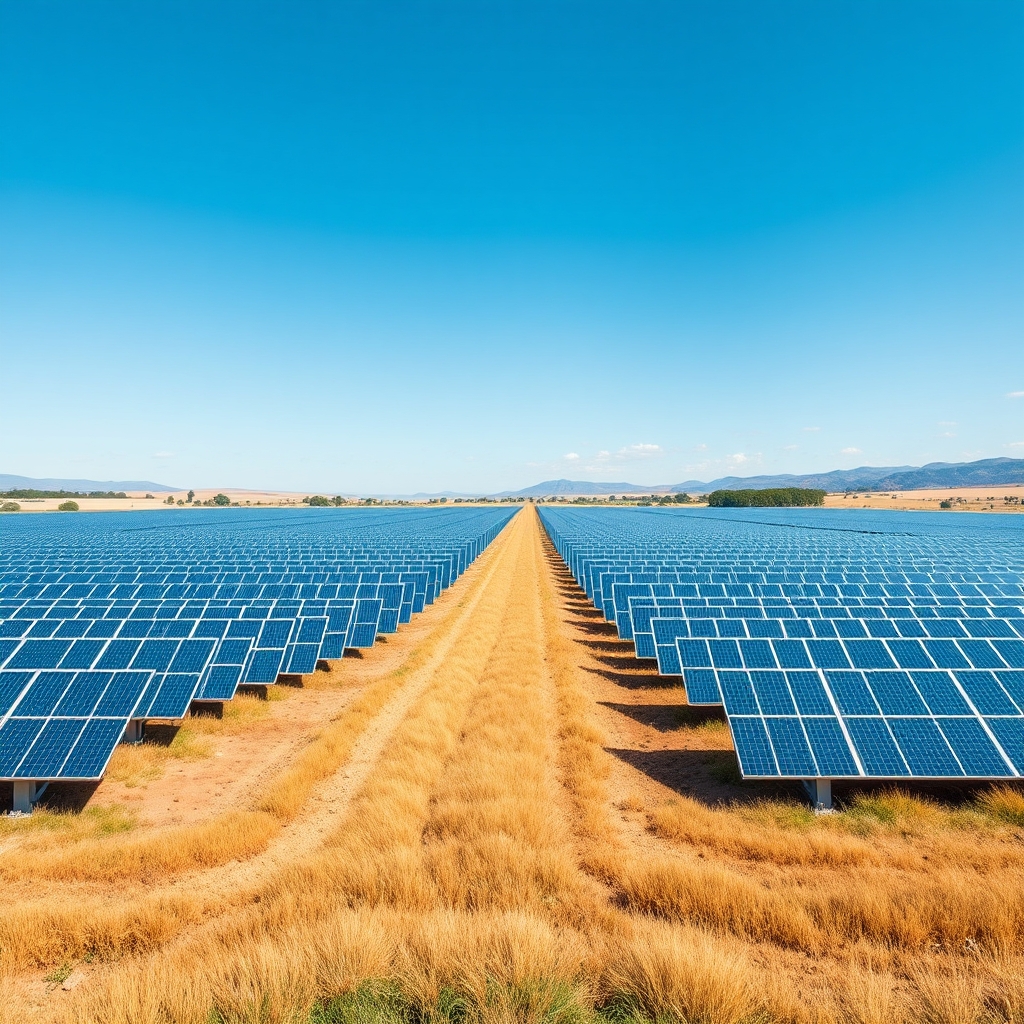
Odisha faces a substantial capital requirement to meet its future energy goals, according to a report by pv magazine India. The state needs an estimated INR 1.1 lakh crore in investment over the next decade to expand renewable energy capacity, integrate energy storage solutions, and upgrade grid infrastructure. This funding is essential to support the projected growth in clean power generation and ensure reliable transmission across the region.
The financial estimate aligns with projections from the Institute for Energy Economics and Financial Analysis (IEEFA). Their analysis suggests that Odisha could add approximately 10.7 GW of renewable energy capacity by the fiscal year 2035–2036. Achieving this target will depend on sustained investment in both generation assets and the supporting grid infrastructure required to manage variable renewable output. Without adequate infrastructure development, the state may struggle to fully utilize its renewable potential and maintain grid stability as new capacity comes online.
Storage and Grid Requirements
Integrating variable renewable sources into the existing power system demands robust balancing mechanisms to maintain grid stability. Odisha’s infrastructure roadmap specifies a need for 2.7 GW of pumped storage capacity alongside 0.13 GW of battery storage. These technologies serve distinct functions in energy management. Pumped storage facilities generally provide large-scale, long-duration capacity that helps manage daily load fluctuations and seasonal variations. They operate by moving water between reservoirs at different elevations, effectively storing potential energy for later release. In contrast, battery systems offer rapid response times, making them suitable for frequency regulation and smoothing out short-term volatility from solar or wind generation. The combination of both types allows the grid to handle diverse temporal mismatches between energy production and consumer demand.
The financial breakdown for this infrastructure development totals INR 1,09,980 crore. Within this allocation, renewable energy generation assets account for 67% of the expenditure. Storage solutions represent 21% of the total investment, while grid infrastructure upgrades claim the remaining 12%. This distribution highlights the significant capital intensity associated with building a resilient clean energy ecosystem. Grid upgrades are essential not just for transmission, but for enhancing the network's ability to absorb intermittent power flows. Without these foundational improvements, the added generation capacity cannot be reliably delivered to end users. The investment structure reflects a balanced approach, ensuring that the physical backbone of the power system evolves in tandem with the expansion of renewable generation sources.
Untapped Resource Potential
Odisha possesses substantial natural endowments that remain largely undeveloped, creating a significant gap between theoretical resource availability and actual grid-connected capacity. The state’s solar potential stands at 139.5 GW, yet only 0.82 GW is currently installed. This disparity highlights the vast headroom available for photovoltaic expansion, as current utilization represents a small fraction of the total irradiance available across the region. Wind energy presents an even starker contrast, with 12.13 GW of potential identified against zero grid-connected capacity. This complete absence of operational wind assets suggests that the state has yet to enter the market for this specific renewable source, leaving a major sector entirely untapped.
Hydropower offers a different profile, with 2.2 GW of installed capacity out of a 7.6 GW potential. While this sector shows higher relative development than wind, a significant portion of the available hydrological resource remains unused. The table below summarizes these figures, illustrating the scale of the opportunity across three distinct renewable technologies.
| Technology | Potential (GW) | Installed Capacity (GW) |
|---|---|---|
| Solar | 139.5 | 0.82 |
| Wind | 12.13 | 0 |
| Hydropower | 7.6 | 2.2 |
These numbers underscore the physical feasibility of the expansion targets discussed in the financial projections. The low current penetration of solar and wind indicates that future capacity additions will likely come from greenfield projects rather than expansions of existing assets. For grid operators, this means planning for new transmission corridors and substations to accommodate entirely new power flows. The wide gap between potential and installed capacity also implies that regulatory and land-acquisition hurdles, rather than resource scarcity, are the primary constraints facing developers in the state.
Fiscal Context and Strategy
- Peak annual investment reaches INR 20,827 crore in FY2029–30.
- FY2024–2025 coal and petroleum revenue stood at INR 14,148 crore.
- Fossil-fuel sectors contribute one-third of the state’s gross value added.
- Gaurav Upadhyay notes, "A coordinated financing approach can help match projects with appropriate sources of capital."
The timing of the investment peak relative to current state revenue streams creates a distinct fiscal challenge for Odisha. The projected INR 20,827 crore needed in FY2029–30 exceeds the INR 14,148 crore the state collected from coal and petroleum in the 2024–2025 fiscal year. This comparison highlights a structural shift in the state’s economic base. As fossil-fuel sectors currently represent one-third of the state gross value added, any decline in their contribution will directly impact the revenue available for public infrastructure spending. For state treasuries, this necessitates a proactive reallocation of budget priorities rather than relying on traditional resource rents to fund clean energy transitions.
Addressing this funding gap requires aligning capital structures with project risks. Gaurav Upadhyay emphasizes that a coordinated financing approach can help match projects with appropriate sources of capital. In practice, this implies diversifying beyond conventional debt to include green bonds, private equity, or blended finance instruments that suit the long-term, capital-intensive nature of grid expansion. Such strategies allow the state to leverage private sector liquidity for high-risk infrastructure components while preserving public funds for regulatory oversight and critical transmission assets. This alignment ensures that the scale of the renewable build-out does not strain existing fiscal buffers.
What to watch
The immediate priority for Odisha’s energy transition lies in converting theoretical resource assessments into actionable project pipelines. With wind capacity currently at zero, the next critical milestone involves securing land rights and environmental clearances for initial turbine installations. Developers will need to navigate complex local land-acquisition processes, which often delay greenfield projects longer than technical construction phases. Success here depends on establishing transparent bidding mechanisms that attract credible operators willing to commit to long-term operational commitments.
Simultaneously, grid planners must finalize detailed engineering designs for new transmission corridors. These lines must be robust enough to handle the variable output of future solar and wind farms without causing frequency instability. Regulators should monitor the pace of substation upgrades closely, as bottlenecks here can stall generation projects regardless of how many turbines or panels are installed. The state’s ability to secure blended finance instruments will also determine how quickly capital can be deployed. Investors will look for clear policy signals regarding tariff structures and offtake agreements before committing funds. Ultimately, the transition hinges on whether administrative processes can keep pace with the physical expansion of renewable assets.
Source: pv magazine India. This article is an original Luminity report based on the linked source.