
FMO Funds €55.5 Million for 50 MW Kong Solar Project in Ivory Coast
The Dutch development bank FMO has secured financing for a major solar installation in northern Ivory Coast. The 50 MW project is set to power 240,000 homes under a long-term agreement with the state utility.
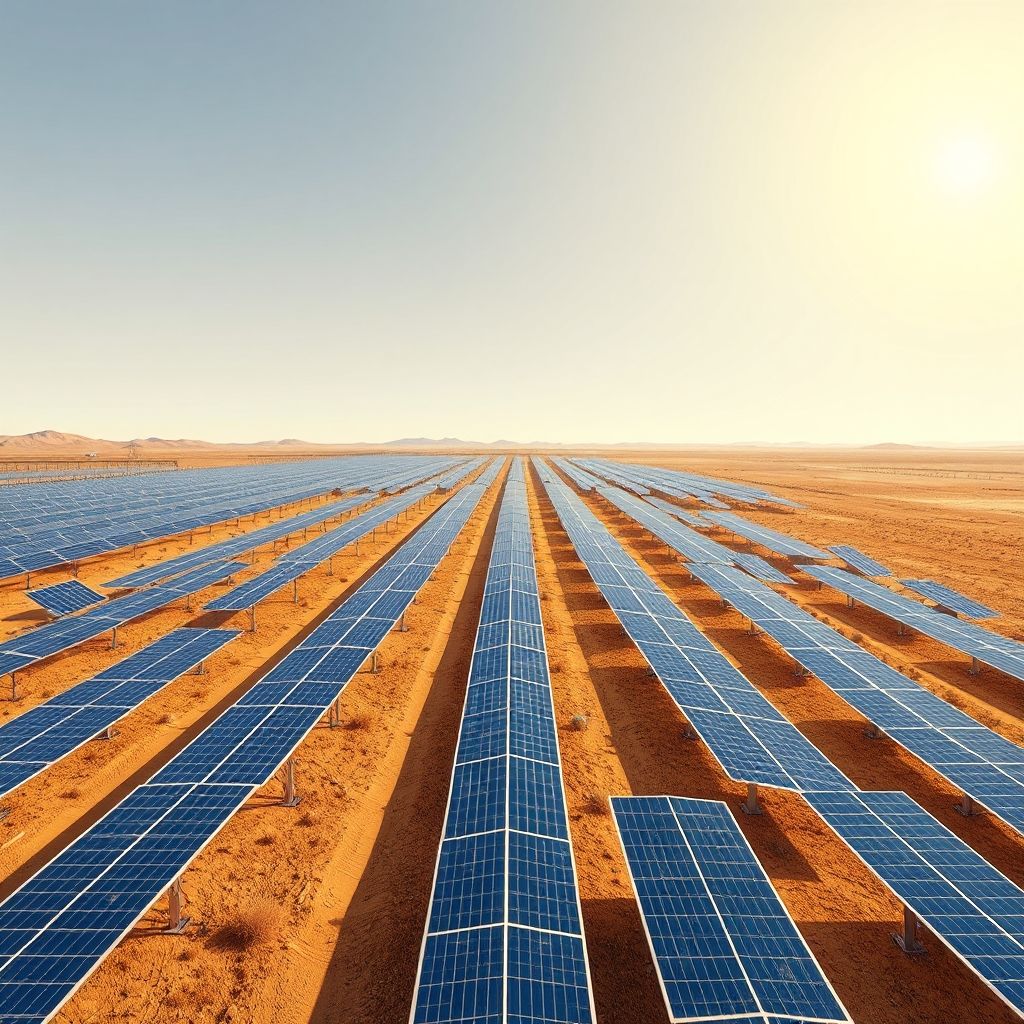
The Dutch development finance institution FMO is providing a €55.5 million financing package for the 50 MW Kong solar project in Ivory Coast. According to pv magazine, the total investment is valued at $62.3 million. The facility is situated near the town of Kong in the northern part of the country. This funding supports the construction of a utility-scale photovoltaic plant designed to generate renewable electricity for the local grid. The project aims to expand clean energy capacity in a region where solar resources are abundant. By backing this development, FMO contributes to the diversification of Ivory Coast’s energy mix, helping to reduce reliance on fossil fuels. The financing structure includes debt and equity components tailored to the project’s specific needs. This initiative aligns with broader efforts to promote sustainable infrastructure across West Africa. The completion of the Kong solar project is expected to deliver significant environmental benefits by displacing carbon-intensive power generation. Stakeholders view this investment as a key component in the region’s transition toward a low-carbon energy system.
Project Scope and Impact
The construction phase of the Kong solar facility officially began with a groundbreaking ceremony held in October 2025. This milestone marks the transition from planning and financial structuring to physical development, a critical stage where capital commitments turn into tangible infrastructure. For utility-scale solar projects in West Africa, reaching this point often signals that permitting, land acquisition, and technical design have been successfully navigated. The timing reflects the broader momentum for renewable energy deployment in the region, where grid operators and developers are increasingly prioritizing projects that can be built within manageable timeframes to meet rising electricity demand.
The project is expected to supply electricity to 240,000 people, a figure that illustrates the direct social impact of expanding clean energy capacity in underserved areas. This level of output helps alleviate pressure on existing grid infrastructure, which often struggles with peak demand periods. By delivering consistent power to this population, the plant supports improved reliability for households and local businesses. The scale of the beneficiary base highlights how large-scale photovoltaic installations can serve as foundational assets for regional economic development, providing a stable power source that underpins daily activities and commercial growth.
Commissioning is scheduled for 2028, indicating a multi-year construction and testing period. This timeline is typical for complex utility-scale projects that require the installation of extensive panel arrays, inverters, and grid connection points. The gap between groundbreaking and full operation allows for the phased deployment of equipment, necessary maintenance, and rigorous performance testing. For stakeholders, this schedule represents the period during which the physical plant will be completed and integrated into the national grid, ultimately enabling the transfer of generated electricity to end-users.
Ownership and Agreements
The Kong solar project is structured under a dedicated vehicle named Kong Solaire SAS. This corporate entity serves as the legal owner of the facility, holding the necessary rights to develop and operate the plant. The ownership structure is split between two distinct partners, reflecting a common approach in large-scale renewable energy developments where risks and rewards are shared. Africa Via holds a majority stake of 51% in Kong Solaire SAS, while InfraCo retains the remaining 49%. This division ensures that both parties have a direct financial interest in the project’s long-term performance and operational success.
Africa Via itself is not wholly independent; Axian holds a 55% stake in this entity. This layered ownership model connects the project to broader investment networks, potentially providing additional technical or financial support beyond the immediate project company. For investors and lenders, such structures clarify the chain of responsibility and decision-making authority. It allows stakeholders to understand who ultimately controls strategic directions and how profits or losses might flow through the corporate hierarchy. The presence of multiple entities also suggests a collaborative effort to navigate the complexities of building utility-scale infrastructure in the region.
Securing a stable revenue stream is vital for the project’s financial viability. Kong Solaire SAS has entered into a 25-year power purchase agreement with the state utility CI-Energies. This long-term contract commits the utility to purchase electricity generated by the plant for over two decades. Such agreements are standard in the solar sector, as they provide the predictable cash flows necessary to service debt and attract equity investment. By locking in a buyer for such an extended period, the project mitigates market volatility risks. This arrangement offers developers the confidence that their infrastructure will remain in demand, supporting the overall stability of the national grid and ensuring that the generated power is effectively utilized by end-users.
Institutional Context
- FMO Director Marnix Monsfort describes the Kong funding as the second solar project in Ivory Coast.
- FMO is opening an office in Ivory Coast.
The designation of this deal as the second solar project in Ivory Coast by FMO Director Marnix Monsfort highlights a pattern of repeated engagement rather than a one-off transaction. For multilateral funds, sequencing investments in the same country often reflects a strategy to test local market conditions and build operational familiarity before scaling up. This repeat involvement suggests that the initial project’s execution provided sufficient confidence in the regulatory and technical environment to warrant further capital deployment in the same jurisdiction.
The simultaneous opening of a local office signals a shift from remote management to on-the-ground presence. Establishing physical infrastructure in a host country allows institutions to monitor project progress more closely, engage directly with local utilities and regulators, and streamline administrative processes. For developers, this proximity can reduce friction in compliance and reporting, while for the institution, it deepens its understanding of specific grid constraints and permitting nuances. Such local bases are common for development finance institutions seeking to accelerate project pipelines in emerging markets, ensuring that oversight remains responsive to real-time operational challenges.
What to watch
The most immediate milestone remains the 2028 commissioning date. Until then, attention should focus on the physical construction progress and grid integration steps required to bring the plant online. While the financial framework is established, the operational reality of the build will determine if this timeline holds. Stakeholders will need to monitor whether the installation of panel arrays and inverters proceeds without significant delays, as any slippage could impact the start of power delivery to the intended beneficiaries.
A key structural element to observe is the 20-year loan tenor associated with the funding. This duration aligns closely with the 25-year power purchase agreement, a common pairing in renewable energy finance that helps match debt service schedules with expected revenue streams. For lenders, this extended period spreads repayment obligations over time, which can influence the overall cost of capital and the project’s ability to attract additional financing. As the new FMO office in Ivory Coast begins operations, its direct engagement with local partners may also shape how future oversight and reporting are handled during this construction phase.
Source: pv magazine. This article is an original Luminity report based on the linked source.