
Balranald council seeks night transport for 6.5m-wide Baldon wind turbine loads
Balranald Shire Council is urging night-time transport for oversized wind turbine components to protect caravan access to the town. The Baldon wind project in regional New South Wales involves 46 turbines with blades up to 90 metres long and tower sections significantly wider than local highway lanes.
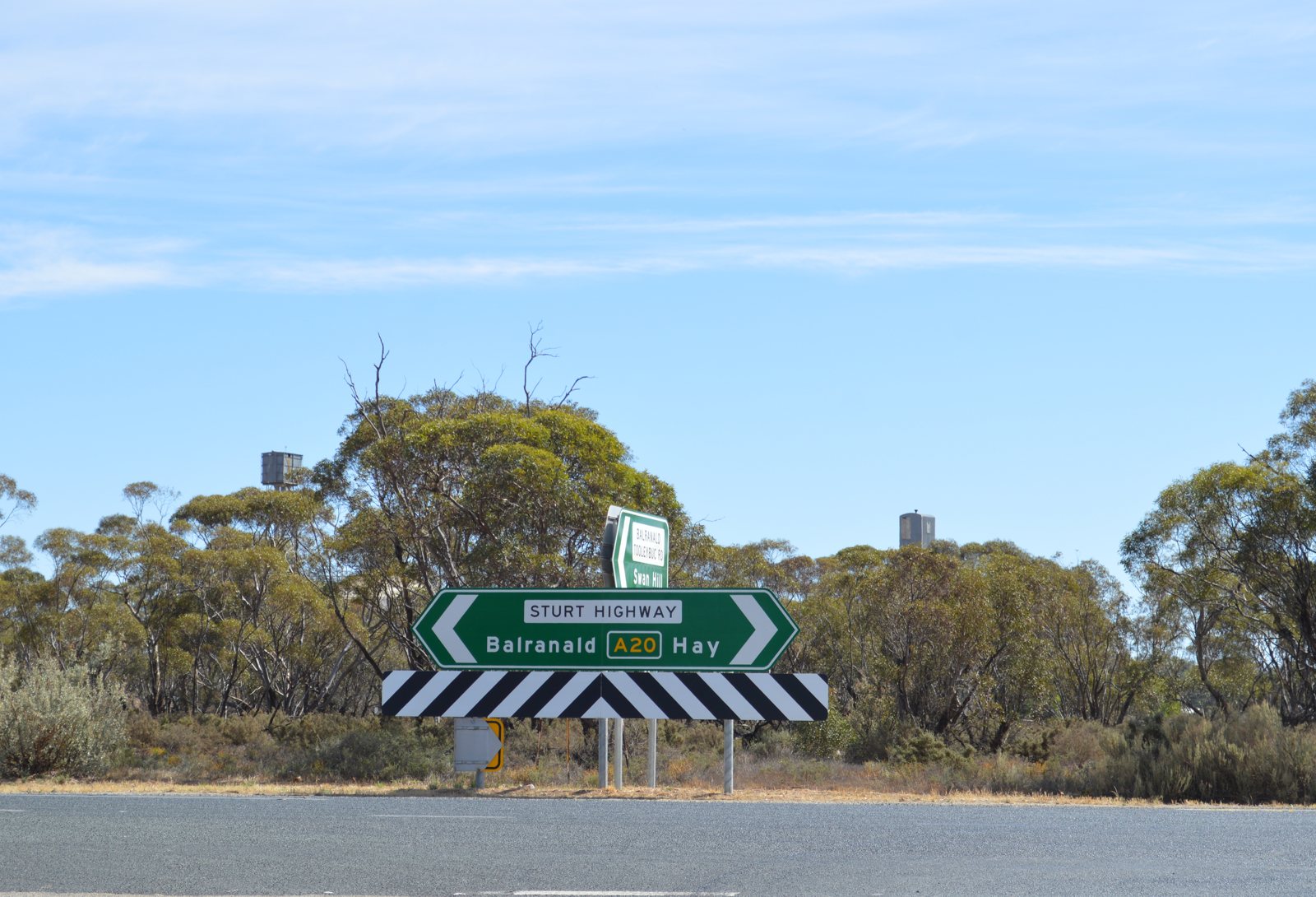
Balranald Shire Council has raised concerns that oversized wind turbine loads could deter caravaners from the region. The council fears the 6.5m-wide components for the Baldon wind project in regional New South Wales will disrupt local tourism. This apprehension centers on the potential impact of heavy transport on the area’s appeal to visitors.
Goldwind Australia is developing the Baldon wind project. The council’s worry highlights a tension between renewable energy infrastructure and regional tourism interests. As the project advances, the council is seeking night transport arrangements to mitigate these fears. This request aims to balance the logistical needs of the wind farm with the economic benefits of caravaning. The situation underscores the complex dynamics of integrating large-scale energy projects into regional communities.
Infrastructure conflict
The physical dimensions of the wind turbine components create an immediate logistical hurdle for local road networks. Turbine tower sections measure 6.5 metres in width, a size that significantly exceeds the capacity of standard highway lanes leading into Balranald, which are only 3.5 metres wide. This disparity means that a single turbine component occupies nearly the entire width of the available roadway, leaving minimal margin for error or safe passage for other vehicles. Such oversize loads require precise coordination and often necessitate lane closures to ensure safety, effectively halting normal traffic flow during transport windows.
The challenge extends beyond the towers to the project’s largest elements. Turbine blades can reach lengths of up to 90 metres, imposing further constraints on route planning and transport timing. While towers present a width issue, blades introduce a length complication that affects turning radii and visibility for drivers. For regional councils, managing these dimensions is not merely a matter of scheduling; it involves assessing the cumulative impact on local access and economic activity.
Typically, transportation of such massive components requires specialized permits and escorts, but the specific geometry of the Baldon project amplifies these standard procedures. The narrowness of the approach roads relative to the component width means that even minor deviations pose significant risks. This infrastructure mismatch forces a direct confrontation between the physical requirements of renewable energy deployment and the existing limitations of regional transport networks. Resolving this conflict requires careful planning to prevent prolonged disruptions while ensuring the safe delivery of materials essential for the project’s construction.
Mitigation measures
- Council CEO Terry Dodds requested night transport to avoid disrupting grey nomads.
- Transport NSW is planning 26 lay-bys along the Sturt Highway for oversized loads.
- Transport NSW is raising over 100 lights and powerlines to ensure tower clearance.
The council’s primary mitigation strategy focuses on timing. CEO Terry Dodds has specifically requested that transport occur at night. This approach aims to minimize visible interference with the daily lives of grey nomads, a key demographic for the region’s tourism sector. By shifting heavy vehicle movements to off-peak hours, the project seeks to reduce the perceived intrusion on local amenities and scenic drives. For regional communities, this kind of scheduling adjustment is a common concession in energy projects, allowing construction logistics to proceed without directly competing with daytime leisure activities or commercial traffic.
Simultaneously, state infrastructure agencies are addressing the physical constraints of the route. Transport NSW is planning the construction of 26 lay-bys along the Sturt Highway. These designated stopping areas allow standard traffic to pull over safely when encountering wide turbine loads, preventing gridlock and improving safety for drivers. The agency is raising more than 100 lights and powerlines. This work ensures sufficient vertical clearance for the tall tower sections, removing obstacles that could otherwise halt transport or require complex detours. Together, these measures represent a coordinated effort to integrate large-scale energy infrastructure into existing road networks while preserving local access and safety standards.
Project scope and constraints
The concerns were raised at Independent Planning Commission hearings into the project, which could eventually reach 1.45 gigawatts. All of the councils in the region told the commission they support Baldon and nearby projects such as Pottinger and Bullawah; their dispute is about managing thousands of heavy vehicle movements, not about the wind farm itself. Dodds also told the hearing that 1,664 tower loads are expected to pass through Balranald for another wind farm east of Hay, at five to six trucks a day for two years.
The Baldon wind project is situated within the South-West Renewable Energy Zone, a designated area in New South Wales where state planning policies prioritize the concentration of renewable energy generation. Such zones are established to streamline approval processes and direct large-scale infrastructure development toward regions with suitable land and grid connections. For developers, operating within these zones often simplifies regulatory hurdles, allowing projects to progress with greater certainty than those located in general rural or agricultural land. The specific location of this facility places it directly in a corridor that balances energy production goals with existing regional transport and tourism interests.
The project envisages up to 175 turbines, but without grid access rights in the new zone Goldwind must connect to the local network, which caps stage one at 46 turbines, 200 megawatts and 400 megawatts of battery storage. Goldwind's Medard Boutry told the commission there is currently no pathway for stage two. This combination of generation and storage is increasingly common in modern wind farm designs. Battery systems help stabilize power output by storing excess energy when winds are strong and releasing it during periods of low generation or high grid demand. This technical configuration supports the broader goal of integrating variable renewable energy sources into the electricity network without compromising reliability for consumers. The scale of the initial stage dictates the volume of heavy lifting required during the construction phase, directly influencing the frequency and duration of road usage.
Operational constraints extend to the management of local traffic during construction activities. Goldwind has been instructed to limit any traffic delays caused by project-related movements to under ten minutes. This specific timeframe serves as a critical boundary for logistical planning, ensuring that routine travel through the region remains largely uninterrupted. For regional communities, such strict time limits are essential to maintaining the flow of commercial and private vehicles. Adhering to this constraint requires precise scheduling of transport convoys and construction equipment, minimizing the cumulative impact on daily life while allowing the necessary infrastructure to be installed efficiently.
What to watch
With the physical route modifications planned, attention now shifts to the execution timeline and community response. Readers should monitor whether the proposed night transport schedule effectively balances logistical needs with the daily routines of regional tourists and residents. While shifting heavy vehicle movements to off-peak hours is a standard mitigation strategy, its success depends on strict adherence to the agreed-upon windows. Any deviations could reignite concerns about safety and amenity impacts, potentially delaying further approvals or construction phases.
Simultaneously, the completion of the infrastructure upgrades along the highway will be a key indicator of progress. The installation of designated stopping areas and the elevation of overhead utilities are prerequisite steps for safe convoy passage. Delays in these state-managed works could bottleneck the entire supply chain for the project’s components. For investors and stakeholders, the ability to maintain the mandated low-impact traffic limits during the construction phase will be critical. Consistent compliance with these operational constraints demonstrates the project’s commitment to minimizing local disruption, a factor that often influences the speed of subsequent regulatory clearances. Ultimately, the smooth coordination between the developer, state transport agencies, and local council will determine whether this phase of development proceeds without significant friction or public contestation.
Source: RenewEconomy. This article is an original Luminity report based on the linked source.