
Himachal Pradesh commissions 2 MW solar-storage plant in high-altitude Spiti Valley
Chief Minister Sukhvinder Singh Sukhu inaugurated the first battery-powered solar project in Spiti Valley, located in Rongtong. The 2 MW facility, commissioned in December 2024, includes a 1 MWh battery system to support power reliability at high altitude.
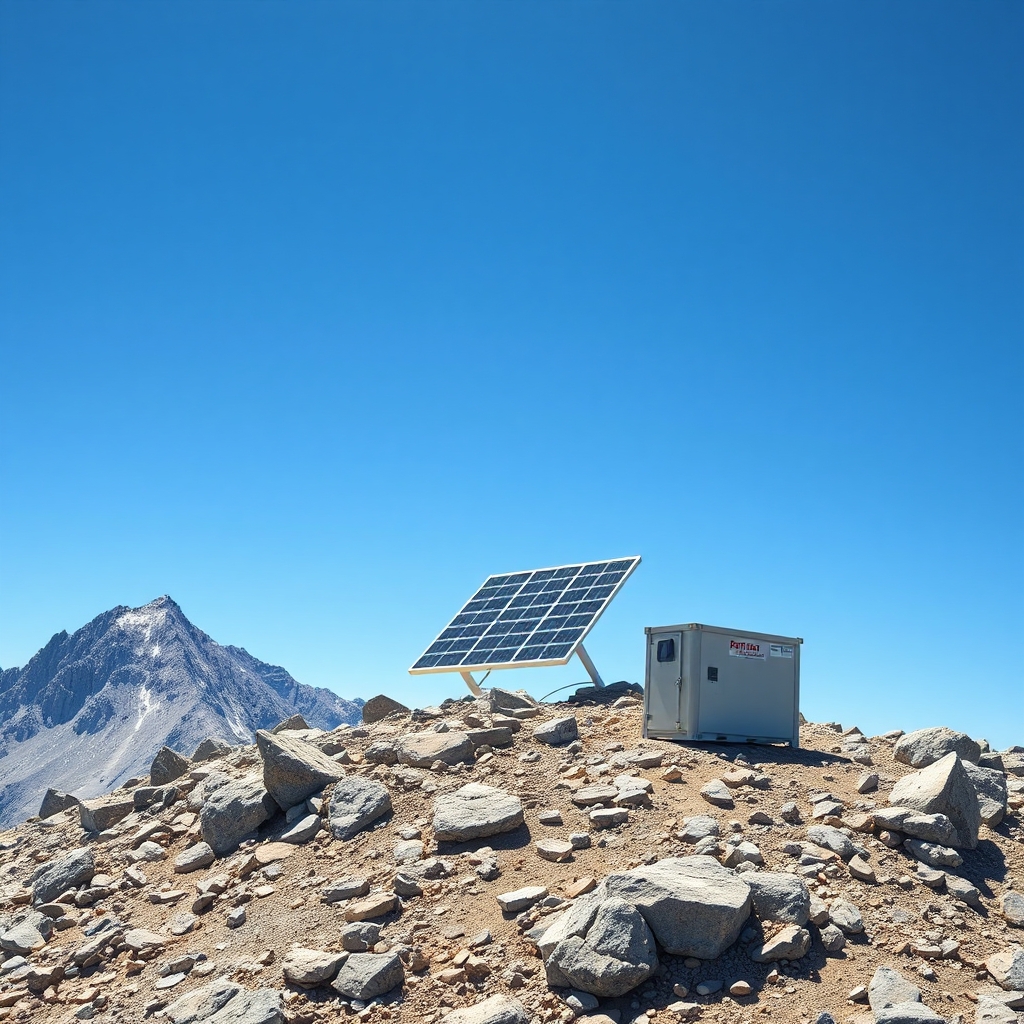
Himachal Pradesh Chief Minister Sukhvinder Singh Sukhu inaugurated a 2 MW solar power plant in Rongtong, within the Kaza area of Spiti Valley. According to ETEnergyWorld Renewables, this facility marks the first battery-powered solar power project in the high-altitude region. The commissioning highlights the state’s continued investment in renewable energy infrastructure in remote, mountainous terrain.
The plant’s 2 MW capacity is designed to integrate solar generation with battery storage, aiming to enhance grid stability and power availability in an area where traditional energy access can be challenging. By leveraging local solar resources, the project seeks to reduce reliance on diesel generators and improve energy security for the community. The initiative underscores the technical feasibility of deploying hybrid solar-storage systems in extreme climatic conditions, offering a localized solution to energy demands in one of India’s most isolated valleys.
Technical Specifications
The facility pairs its solar array with a 1 MWh Battery Energy Storage System. This storage component is critical for high-altitude operations, where solar irradiance can fluctuate rapidly due to weather or cloud cover. By capturing excess daytime generation, the battery ensures a consistent power supply during peak evening demand or periods of low sun. This hybrid configuration stabilizes local grid loads, reducing the need for backup diesel generation that is often required in isolated valleys. For operators in remote regions, such storage systems mitigate the intermittency inherent in renewable sources, transforming variable solar output into a more reliable baseload resource for nearby communities.
Located at an altitude of approximately 3,600 metres above sea level, the plant operates in an environment that tests standard equipment durability. Cold temperatures and high UV exposure can affect module efficiency and battery chemistry, necessitating robust engineering choices. The site’s elevation also influences air density, which can impact cooling requirements for inverters and battery management systems. Despite these challenges, the location offers abundant solar resources, allowing the plant to generate around 36 lakh units of electricity annually. This annual yield demonstrates that even in remote, high-altitude areas, well-designed solar-storage plants can deliver substantial energy volumes, supporting local electrification needs without extensive transmission infrastructure.
Project Timeline and Cost
The Spiti Valley facility reflects a compressed development schedule common in remote, high-altitude deployments where logistical access is limited. Work on the site commenced in late May 2023, with the plant reaching full commissioning status by the end of 2024. This roughly nineteen-month construction window encompasses site preparation, equipment procurement, installation, and the necessary grid integration tests required before commercial operation.
The total capital expenditure for the project stood at ₹4.42 crore. This figure covers the cost of the solar array, the associated battery storage system, civil works, and the specialized engineering required to handle the valley's extreme environmental conditions.
| Parameter | Detail |
|---|---|
| Total Project Cost | ₹4.42 crore |
| Construction Start Date | May 30, 2023 |
| Commissioning Date | December 2024 |
The duration and cost profile offer insight into the economic realities of building in such terrain. While the absolute cost may appear modest compared to large-scale utility projects, the per-unit investment is often higher due to the challenges of transporting heavy components to isolated locations. The timeline suggests that despite the logistical hurdles of moving materials to a high-altitude site, the project adhered to a standard construction pace. For investors and developers, this efficiency indicates that with proper planning, hybrid solar-storage systems can be deployed in difficult geographies without prolonged delays, ensuring that local communities gain access to stable power within a reasonable timeframe. The cost structure also implies that the financial model relies on rapid deployment to recoup initial outlays through consistent energy generation.
Regional Infrastructure Expansion
- Chief Minister Sukhvinder Singh Sukhu laid foundation stones for development projects totaling ₹116.28 crore in Lahaul-Spiti district.
- The state plans to spend ₹6 crore to make the Rongtong Hydel Power Project fully functional.
- Foundation stones were laid for 66/22 kV sub-stations at Sumdo in Kinnaur and Kaza, with a combined cost of ₹47.95 crore.
These concurrent announcements signal a broader strategy to reinforce the electrical backbone of the Himalayan region beyond the newly commissioned solar plant. The substantial investment in sub-stations at Kaza and Sumdo addresses a critical bottleneck for remote energy projects: grid connectivity. High-voltage transmission infrastructure is essential for aggregating power from distributed sources and ensuring stable voltage levels across isolated valleys. Without robust sub-stations, even well-designed generation facilities struggle to deliver reliable power to end-users, particularly in areas with limited existing grid penetration.
The additional funding for the Rongtong Hydel Power Project complements the solar-storage initiative by diversifying the local energy mix. Hydroelectric facilities provide a different operational profile than solar, often offering consistent output during periods of low sunlight or high cloud cover. By upgrading this existing hydel asset, the state aims to create a more resilient energy ecosystem where multiple renewable sources can support one another. This integrated approach reduces dependence on any single technology and enhances overall grid stability. For the Lahaul-Spiti district, these infrastructure upgrades are foundational to transitioning from isolated, diesel-dependent microgrids to a more interconnected and sustainable regional power network.
What to watch
With the Spiti Valley plant now operational, attention shifts to how the newly announced sub-station upgrades at Kaza and Sumdo integrate with existing generation assets. The completion of these high-voltage facilities is a prerequisite for aggregating power from distributed sources, ensuring that the solar-storage facility can reliably feed into the broader regional grid. Until these transmission bottlenecks are resolved, the plant’s capacity to support isolated valleys remains constrained by local grid penetration limits.
Simultaneously, the functional status of the Rongtong Hydel Power Project will determine the resilience of the local energy mix. Observers should monitor whether the hydel upgrades successfully complement solar output during periods of low irradiance, creating a stable hybrid supply. The interplay between these renewable sources will define the district’s ability to reduce diesel dependence. Developers in similar high-altitude terrains will likely scrutinize this project’s long-term performance data, particularly regarding battery durability under extreme cold and UV exposure, to gauge the feasibility of replicating such models across the Himalayan region.
Source: ETEnergyWorld Renewables. This article is an original Luminity report based on the linked source.