
Western Australian gold mine hits 75 per cent winter renewable share
Bellevue Gold’s off-grid mine in Western Australia averaged a 75 per cent renewable energy share during winter, driven by a 51 MW wind and solar system. The facility ran 155 consecutive hours on 100 per cent renewables in May, supporting its claim as the world’s first net zero scope 1 and 2 emissions gold mine.
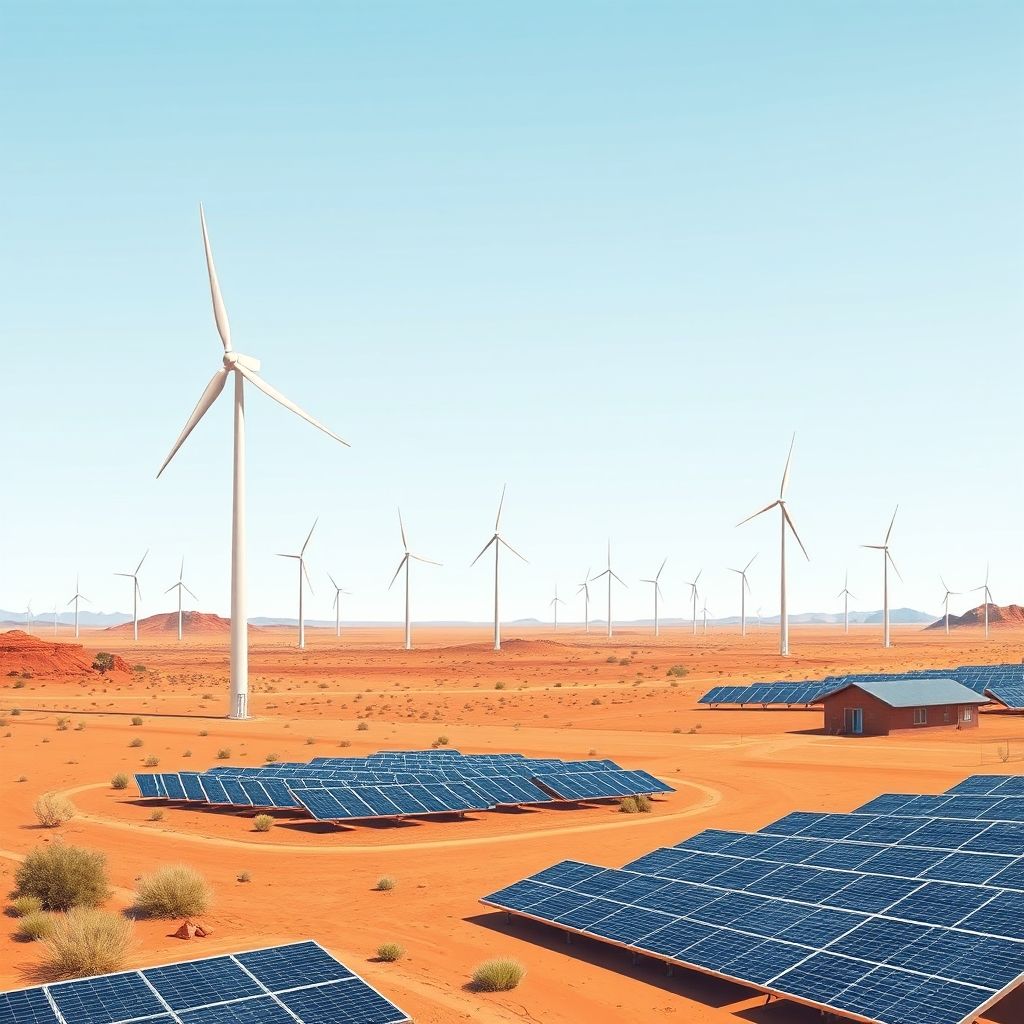
A Western Australian gold mine has achieved a high share of renewable energy during the winter months, according to RenewEconomy. Bellevue Gold, located in the state, reported that its renewable energy contribution averaged 75 per cent over the period. The operation relies on a total capacity of 51 MW of wind and solar power to support its energy needs during this season.
This figure highlights the increasing integration of renewable sources into industrial mining operations in Western Australia. While winter typically presents challenges for solar generation due to lower sun angles and shorter days, the combined wind and solar infrastructure at Bellevue Gold managed to maintain a substantial renewable share. The data, as reported by RenewEconomy, indicates that the mine's energy mix shifted significantly towards renewables during the colder months, demonstrating the viability of hybrid renewable systems in meeting the demands of heavy industrial processes.
System Architecture
The Bellevue Gold operation draws power from a specific hybrid configuration rather than a single source. Zenith Energy constructed the renewable infrastructure, which consists of a 24 MW wind farm, a 27 MW solar array, and a 15 MW battery system. This combination allows the mine to balance variable generation with firm output. The wind and solar capacities differ slightly, reflecting the distinct physical requirements for each technology at the site. The battery component is sized at 15 MW, which is a lower power rating than the total generation capacity of the wind and solar plants combined.
The battery storage duration is specified as two hours. In energy terms, this indicates the system can discharge its stored energy at full power for that period before requiring recharging. This duration matters for managing short-term fluctuations in wind and solar production. It provides a buffer that helps stabilize the grid connection during periods of rapid change in renewable output. The architecture relies on the interplay between these three distinct components. The wind turbines capture kinetic energy, the solar panels convert sunlight, and the battery stores excess generation for later use. Zenith Energy’s build defines the physical limits of this renewable share, as the maximum output is constrained by the installed capacities of these specific assets. The two-hour duration is a standard metric for assessing how long the storage can support operations when generation dips, ensuring that the mine’s energy supply remains reliable despite the inherent variability of wind and solar resources.
Performance Metrics
The annual performance data reveals a more consistent renewable contribution than the winter-specific figure suggests. For the year ending June 30, the mine averaged an 83.5 per cent renewable share. This annual metric provides a broader baseline, smoothing out seasonal variations that might skew monthly readings. The following table compares the annual average with the peak monthly performance recorded during the same period.
| Metric | Value |
|---|---|
| Annual Average Renewable Share | 83.5 per cent |
| Monthly Renewable Peak | 93.8 per cent |
| Average Load | 12.8 MW |
The average load of 12.8 MW indicates the steady energy demand the hybrid system must meet. This figure is significantly lower than the total installed capacity of the wind and solar assets, suggesting the renewable infrastructure is oversized relative to current consumption. Such oversizing allows the system to capture more energy during high-generation periods, even if immediate demand is lower. The gap between the annual average and the monthly peak highlights the variability inherent in renewable generation. While the 93.8 per cent figure represents a single best month, the 83.5 per cent average reflects the continuous balance of supply and demand throughout the year. This distinction matters for understanding the reliability of the energy mix, as the peak performance does not represent a sustained state but rather the upper limit of the system's capability under favorable conditions.
Operational Milestones
- The facility operated for 155 consecutive hours entirely on renewable energy in May.
- Bellevue Gold claims to be the world’s first net zero scope 1 and 2 emissions gold mine.
The 155-hour streak in May represents a sustained period where the hybrid system met all demand without grid backup or fossil fuel generation. This duration extends well beyond the two-hour battery storage capacity, indicating that wind and solar generation aligned effectively with load requirements over several days. Such extended periods of full renewable coverage are significant because they demonstrate that the site can decouple from conventional power sources for extended operational windows, not just brief intervals. The consistency of this performance is critical for validating the reliability of the infrastructure under real-world conditions.
Bellevue Gold’s claim of being the world’s first net zero gold mine for scope 1 and 2 emissions ties directly to this operational capability. Scope 1 covers direct emissions from on-site sources, while scope 2 includes indirect emissions from purchased electricity. Achieving net zero in these categories requires the renewable system to offset the mine’s total energy consumption, including the periods when generation dips. The company’s assertion rests on the ability of the installed wind, solar, and battery assets to cover the average load continuously. This distinction is important because it separates the mine’s operational energy profile from its broader supply chain emissions, focusing specifically on the direct and purchased power footprint.
What to watch
The immediate focus shifts to whether the Bellevue Gold site can sustain its renewable share against the project’s stated target of 80 per cent renewable power supply. While the annual average already exceeds this benchmark, the consistency of that performance across all seasons remains the critical operational test. Winter conditions typically favor wind generation, but the system must maintain this reliability as weather patterns shift.
The recorded insolation of 3.3 kilowatt-hours per square meter, equivalent to 11.9 megajoules per square meter, defines the energy available for the solar array during the darkest months. Understanding how the hybrid system manages this reduced solar contribution alongside wind variability will determine if the mine can hold its net zero status for scope 1 and 2 emissions.
Source: RenewEconomy. This article is an original Luminity report based on the linked source.