
Rajasthan launches DERM system to manage 50 GW distributed renewable capacity
Rajasthan has deployed a distributed energy resource management system to address visibility gaps across its 50 GW renewable portfolio. The initiative aims to resolve coordination challenges among fragmented stakeholders and improve demand forecasting for the grid.
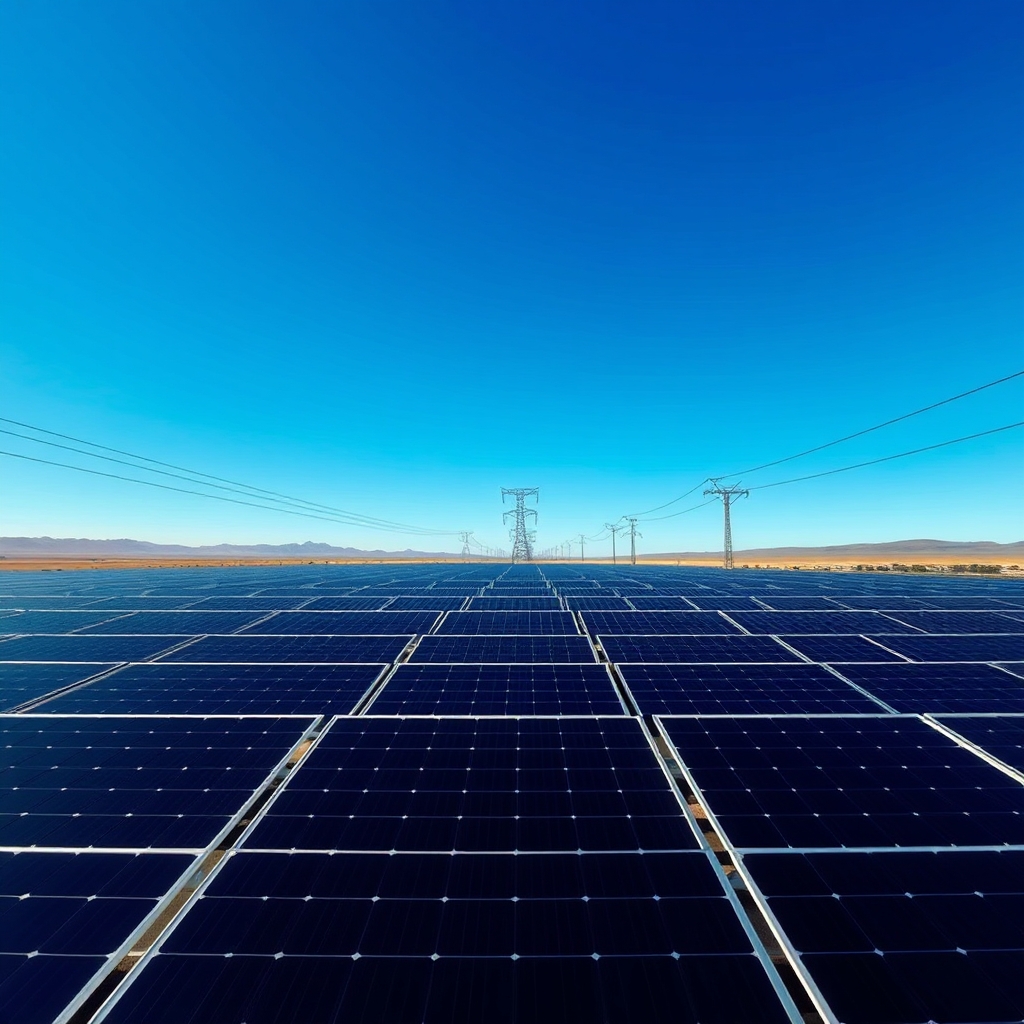
Rajasthan has surpassed 50 GW of total installed renewable capacity, marking a significant milestone in the state's energy transition. However, the rapid growth of distributed renewable energy assets has created substantial challenges regarding information flow, coordination, and overall system visibility.
These visibility gaps complicate essential grid operations, particularly demand forecasting and network planning. As the state integrates more decentralized sources, the need for a unified management framework becomes critical to maintain grid stability.
According to ETEnergyWorld Renewables, the lack of centralized oversight across diverse stakeholders is hindering efficient data tracking. This institutional fragmentation poses a risk to the seamless integration of new renewable capacity into the existing power infrastructure.
Scale of Distributed Assets
Distributed renewable energy is not a single monolithic technology but a diverse collection of small-scale assets. This category typically encompasses rooftop solar panels on residential and commercial buildings, agricultural solarisation projects that power farm equipment and irrigation, and small captive plants installed by large industrial consumers to meet their own specific energy needs. Unlike massive centralized solar parks that feed directly into high-voltage transmission lines, these distributed assets connect at lower voltage levels, often within the local distribution network where millions of individual connections exist.
The sheer volume of these smaller units creates a distinct operational profile for grid operators. In India, distributed solar accounted for 16.3 GW, representing 36 percent of the country’s total solar additions for the 2025-26 period. This shift indicates that a significant portion of new capacity is moving away from centralized utility-scale projects toward decentralized sources. For grid operators, this means managing a vast number of small, geographically dispersed generators rather than a few large, predictable power plants.
Rajasthan’s position in this national trend is substantial. The state currently holds approximately 44 GW of solar capacity, which constitutes 27 percent of India’s total installed solar base. Within this massive portfolio, the distributed segment is growing rapidly. By September 2026, the state had achieved over three lakh rooftop solar installations. Each of these installations represents a small, variable power source that feeds electricity back into the local grid. Managing this aggregate capacity requires precise tracking of output from thousands of independent sites, a challenge that becomes more complex as the number of connections increases. The transition from centralized to distributed generation changes the fundamental data requirements for maintaining grid stability and ensuring reliable power supply to consumers.
Agricultural Solarisation Impact
Agricultural solarisation has emerged as a dominant component of Rajasthan’s distributed renewable energy mix, driven primarily by the Pradhan Mantri Kisan Urja Suraksha evam Utma Mahabhiyan (PM-KUSUM) scheme. This initiative focuses on providing solar-powered solutions for farm operations, particularly for irrigation, thereby reducing dependence on grid electricity during peak agricultural hours.
- PM-KUSUM allocation in Rajasthan stands at approximately 10.5 GW.
- Around 5 GW of this allocated capacity is already installed.
- The scheme supports daytime electricity needs for over 3.34 lakh farmers as of 18 August 2026.
The scale of this deployment is significant for local grid dynamics. Typically, agricultural pumping loads create sharp, predictable spikes in demand during daylight hours, straining distribution networks. By shifting this load to solar-powered pumps, the scheme alleviates peak-time stress on substations and lines. For developers and investors, the transition from allocation to actual installation represents a critical phase where technical reliability and maintenance become paramount.
Each installed unit effectively acts as a small, self-contained power plant for the farmer, reducing their exposure to fluctuating electricity tariffs and supply interruptions. The fact that over 3.34 lakh farmers are already utilizing this daytime electricity highlights the scheme’s reach and its role in enhancing rural energy security. This widespread adoption also means that grid operators must now account for a new category of distributed generation that is inherently tied to agricultural cycles rather than general commercial or residential usage patterns. Understanding these specific operational rhythms is essential for accurate forecasting and maintaining balance in a system increasingly populated by such specialized distributed assets.
Institutional and Financial Hurdles
The expansion of distributed renewable energy introduces specific financial pressures that differ markedly from those facing centralized utility-scale operations. While large solar parks often suffer from curtailment, a practice where grid operators restrict power flow to maintain stability, this mechanism creates direct financial stress for developers. When output is curtailed, revenue streams are interrupted, complicating debt servicing and return on investment calculations. For investors, this uncertainty demands rigorous risk assessment, as the predictability of cash flows is a primary determinant in pricing the cost of capital. Unlike traditional baseload plants, distributed assets often lack the long-term power purchase agreements that provide financial insulation against such grid-level interventions. Consequently, the financial viability of these projects hinges on precise forecasting and the ability to navigate regulatory frameworks that may not yet fully account for the variability of small-scale generation.
Simultaneously, the administrative architecture governing these assets remains fragmented. Data tracking across multiple stakeholders and agencies is complicated by institutional silos. In a typical energy ecosystem, distinct bodies handle generation, transmission, and distribution, often with limited interoperability in their reporting systems. This lack of unified data infrastructure hampers the ability to monitor real-time output from thousands of individual sites. For grid operators, incomplete or delayed data undermines demand forecasting and network planning, increasing the risk of instability. The absence of a centralized oversight mechanism means that critical operational insights are scattered, making it difficult to coordinate responses to fluctuations in supply and demand. Resolving these institutional barriers is essential not just for technical efficiency, but for ensuring that the financial risks associated with curtailment are managed transparently and equitably across all market participants.
What to watch
The immediate focus for industry observers should be the operational rollout of the DERM system itself. As the state’s distributed renewable energy capacity surges, the practical utility of this centralized monitoring tool will be tested against the sheer volume of incoming data. Stakeholders should monitor how effectively the platform integrates information from thousands of independent sites, particularly those tied to agricultural cycles, to ensure real-time grid stability.
Beyond immediate implementation, the long-term trajectory remains anchored in Rajasthan’s immense untapped potential. With an estimated total capacity of 828 GW for solar and 284 GW for wind, the state possesses a resource base that dwarfs its current installed footprint. For investors and developers, this suggests that the next phase of growth will likely depend on how well institutional hurdles are resolved. Watch for regulatory adjustments that address curtailment risks and improve data interoperability across agencies. Success in these areas will determine whether the state can translate its vast natural resources into reliable, bankable power projects, ensuring that the financial models supporting distributed assets remain robust as the network expands.
Source: ETEnergyWorld Renewables. This article is an original Luminity report based on the linked source.