
Vikram Solar to build 7.5 GWh battery storage plant in Tamil Nadu
Vikram Solar’s subsidiary VSL PowerHive will establish a 7.5 GWh battery energy storage assembly facility in Oragadam, Tamil Nadu, scheduled for commercial operation in April 2027. The plant, which will produce lithium iron phosphate-based systems, is a key step toward Vikram Solar’s goal of 30 GWh manufacturing capacity by 2030.
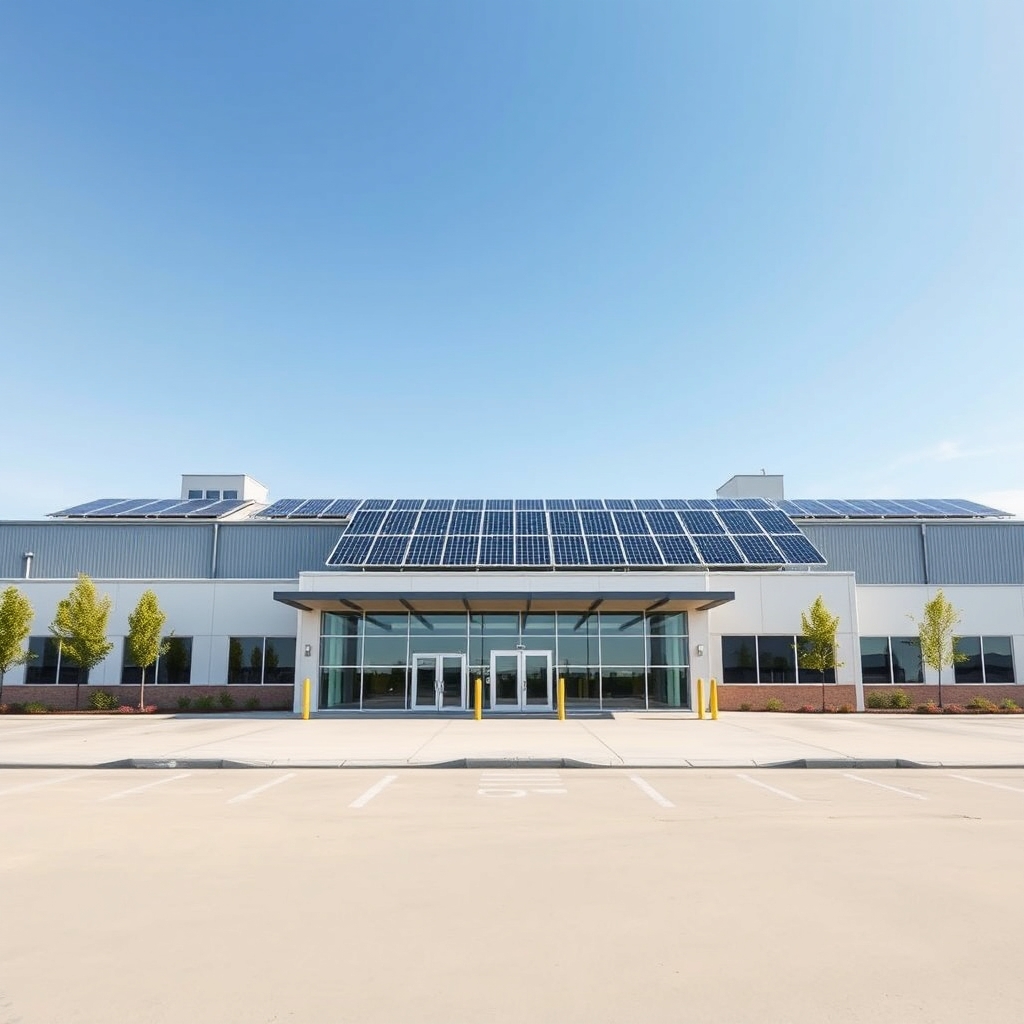
Vikram Solar’s subsidiary, VSL PowerHive, plans to establish a battery energy storage system (BESS) assembly facility in Oragadam, near Chennai, Tamil Nadu. According to the company, the plant is designed with an annual production capacity of 7.5 GWh. This expansion reflects the firm’s growing focus on integrating storage solutions into its broader renewable energy portfolio.
The move aligns with broader industry trends toward scaling domestic manufacturing of critical energy infrastructure. By localizing assembly operations, VSL PowerHive aims to streamline supply chains and reduce lead times for BESS deployments across the region. The facility will serve as a key node in the company’s strategy to support grid stability and renewable integration in southern India.
While specific details on the technology stack or initial client partnerships have not been disclosed, the announcement underscores the increasing importance of storage in modernizing power grids. Industry observers note that such capacity additions are essential for managing the intermittency of solar and wind generation, though the long-term market impact remains to be seen.
Facility Specifications and Timeline
The assembly unit will occupy a sprawling 1.65 lakh square feet of industrial space in Oragadam. This substantial footprint reflects the physical demands of modern battery storage manufacturing, where process flow, material handling, and safety clearances require significant floor area. For developers, such scale is often a prerequisite for achieving the economies of scale necessary to keep unit costs competitive in a price-sensitive market.
Vikram Solar has set a clear schedule for the facility’s launch. The plant is slated for inauguration in January 2027, marking the formal commissioning of the site. Commercial operations are expected to follow shortly thereafter, with production beginning in April 2027. This three-month gap between inauguration and full commercial activity is typical for large-scale industrial projects. It allows time for final equipment calibration, workforce onboarding, and initial pilot runs to ensure quality control standards are met before mass production ramps up.
For investors and grid operators, this timeline provides a concrete benchmark for when new supply capacity will become available. While construction and setup phases carry inherent risks, a defined schedule helps stakeholders model future supply reliability. As battery storage adoption accelerates, firms that can reliably deliver on these operational dates gain a distinct advantage in securing long-term offtake agreements and maintaining market trust.
Technology and Product Scope
- The facility will assemble lithium iron phosphate (LFP)-based storage systems.
- The product range includes liquid-cooled battery storage containers, battery cabinets, and renewable energy-integrated storage solutions.
Lithium iron phosphate chemistry is increasingly favored for grid-scale applications due to its inherent thermal stability and longer cycle life compared to other lithium-ion variants. For developers, LFP cells often offer a favorable balance between safety and longevity, which is critical for infrastructure intended to operate for over a decade. The shift toward this chemistry reflects a broader industry consensus that reliability and safety profiles must align with the stringent requirements of utility-scale grid operators.
The manufacturing scope extends beyond individual cells to complete, deployable units. Liquid-cooled containers are a standard industrial design, using fluid loops to maintain optimal operating temperatures and extend battery lifespan. This approach is generally more efficient than air-cooling for high-density installations. By producing both standalone cabinets and integrated renewable energy solutions, the plant addresses diverse installation needs, from standalone grid support to hybrid solar-plus-storage configurations. This variety allows system integrators to tailor deployments to specific site constraints and grid interconnection requirements, reducing reliance on purely imported, off-the-shelf products.
Strategic Expansion and Domestic Goals
The Oragadam site is designed as a modular foundation for significant future growth. Vikram Solar states the facility can be expanded to 15 GWh in subsequent phases, allowing the company to scale output as demand evolves. This flexibility is a hallmark of modern energy infrastructure planning, where initial capacity acts as a pilot before full-scale deployment. Such staged expansion helps developers manage capital expenditure risk while retaining the ability to capture market share during periods of rapid adoption. It also provides grid operators with a predictable pathway for increased domestic supply, reducing vulnerability to global supply chain disruptions.
This project is a key component of a broader corporate roadmap. Vikram Solar aims to build 30 GWh of total battery manufacturing capacity by 2030. Achieving this target would position the firm as a major domestic player in a sector currently dominated by imports. For investors, this long-term vision signals a commitment to vertical integration, potentially lowering costs through in-house production rather than reliance on external suppliers.
PowerHive plans to begin cell manufacturing with a 7.5 GWh programme from 2028. Moving from assembly to cell production represents a critical step up the value chain. Cell manufacturing is more capital-intensive and technically complex than module assembly, but it offers greater control over quality and cost structures. The company has also initiated patent filings for indigenous battery technologies. These intellectual property efforts suggest a focus on developing proprietary solutions, which can enhance competitive advantage and protect market share in a crowded global environment. By securing domestic patents, the firm aims to establish a distinct technological identity, moving beyond simple assembly to innovation-driven manufacturing.
Market Context and Executive Vision
Gyanesh Chaudhary, CMD of Vikram Solar, positions this infrastructure as a vital connector in India’s shift toward clean energy. He described storage as the essential link bridging the nation’s renewable goals with the need for continuous, 24/7 clean electricity. Chaudhary asserted that the new facility marks a pivotal move for Vikram Solar to broaden its involvement in the clean energy value chain, transitioning from merely generating power to retaining it. This viewpoint underscores a core change in how utilities plan their operations. With increasing reliance on solar and wind, the variability of generation necessitates flexible storage mechanisms to balance supply and demand across all hours. In the absence of these buffers, grid stability is compromised during peak demand or low-output periods, rendering storage a mandatory element rather than an optional feature for contemporary power systems.
The magnitude of this requirement is significant. The Central Electricity Authority projects that India will need approximately 47 GW/236 GWh of energy storage capacity by 2031-32. These forecasts stimulate investor engagement and policy backing, as utility companies look for dependable partners to achieve these objectives. For developers, the ability to secure long-term agreements depends on proving they can provide consistent, high-quality systems at competitive rates.
Arun Mittal, CEO of VSL PowerHive, highlighted the strategic corporate rationale underpinning this growth. He explained that the company intends to establish domestic manufacturing skills, beginning with BESS assembly before progressing to cell production. This vertically integrated model enables organizations to manage quality and supply chains with greater precision. In addition to hardware manufacturing, the site is anticipated to generate skilled employment and cultivate local expertise in advanced storage technologies. Bolstering the regional industrial framework is a primary advantage, as it encourages a network of dedicated suppliers and technicians. This homegrown proficiency lessens reliance on foreign expertise and speeds up the integration of complex storage technologies throughout the area, guaranteeing a durable supply of human capital for upcoming initiatives.
What to watch
Readers should monitor the transition from assembly to cell manufacturing, a shift that will reveal the company’s technical maturity. Success hinges on meeting strict quality standards without compromising production speed, a common hurdle for new entrants. Watch for updates on patent filings, which could signal proprietary innovations that differentiate the firm in a crowded market. The timing of subsequent expansion phases will also indicate how well initial capacity utilization aligns with actual grid demand. Investors should look for evidence of local supply chain development, as the project’s long-term viability depends on reducing reliance on imported components. Observe how the facility integrates with broader renewable energy projects. If the storage units perform reliably in hybrid configurations, it may accelerate adoption among developers seeking to maximize asset utilization. Ultimately, the plant’s ability to deliver consistent output while scaling operations will determine its impact on regional grid stability and the company’s standing in the domestic energy sector.
Source: ETEnergyWorld Renewables. This article is an original Luminity report based on the linked source.