
Qcells to Use Tennessee-Made Aluminum Frames on US Residential Panels
Qcells will equip specific US residential panels with aluminum frames manufactured in Halls, Tennessee, to satisfy domestic content rules. The partnership with ALUKO Group aims to support 4 GW of solar deployment and create local jobs.
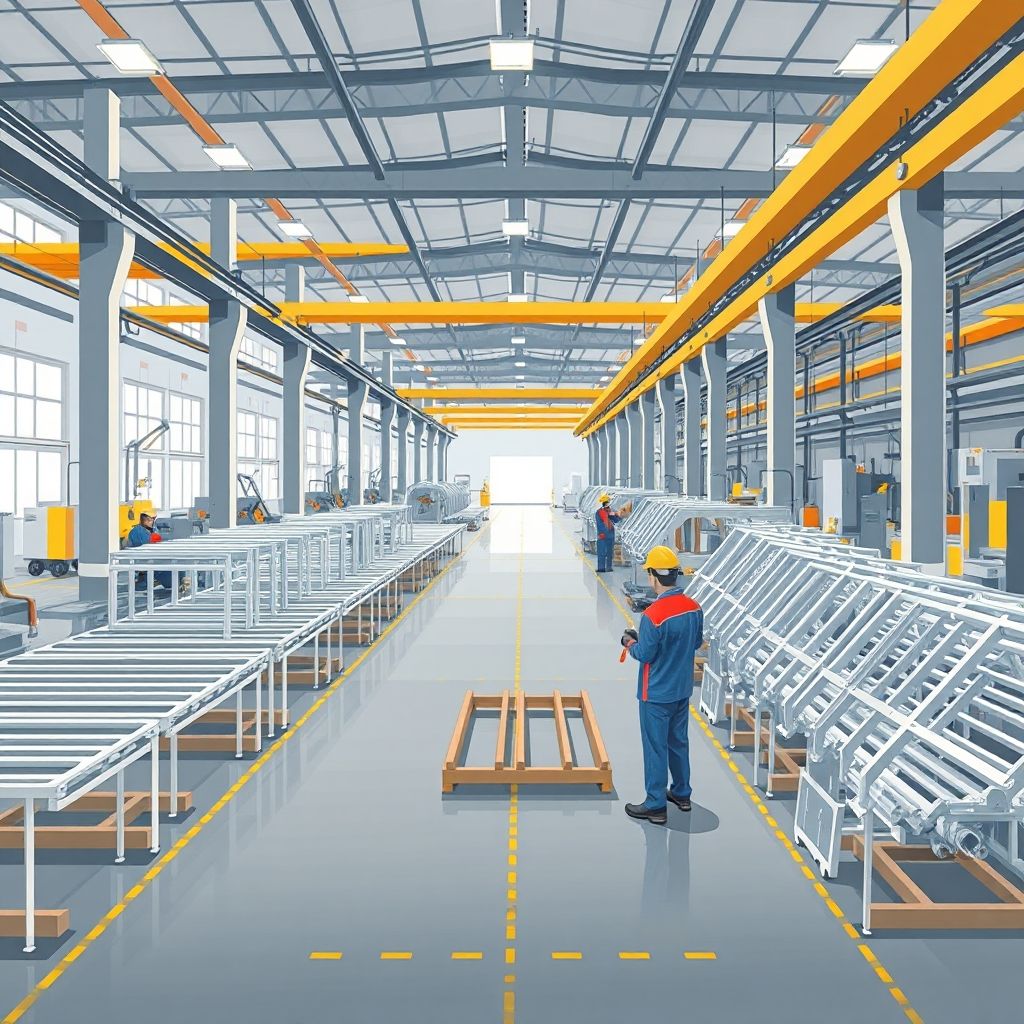
Qcells will begin offering new versions of its residential solar panels featuring aluminum frames manufactured in Tennessee. According to the company, these domestic-frame options are specifically available for its Q.TRON AC and Q.PEAK DUO AC panel lines within the United States.
The introduction of these locally sourced components is designed to assist customers in navigating regulatory requirements. The frames help projects meet minimum domestic content standards, which can be a determining factor for eligibility in certain third-party owned solar installations. By producing the frames domestically, Qcells aims to provide a solution that aligns with current U.S. policy incentives for residential energy systems.
Manufacturing Partnership
Qcells has established a direct manufacturing alliance with ALUKO Group to produce the aluminum frames for its new residential panel lines. The partnership centers on ALUKO’s existing facility in Halls, Tennessee, which serves as the sole production site for these components. This arrangement allows Qcells to source frames that have already undergone critical processing steps within the United States, ensuring the final product meets the specific geographic origin requirements embedded in current federal tax credit rules. For residential solar installers, the provenance of every component matters when calculating whether a system qualifies for enhanced incentives, making the location of fabrication a practical consideration for project design.
ALUKO Group handles the entire physical transformation of the raw aluminum at the Halls site. The company performs extrusion, a process where molten metal is forced through a die to create the precise structural shapes needed for panel frames. Following this initial forming, ALUKO conducts anodizing, a surface treatment that creates a durable oxide layer to protect the metal from corrosion and weathering. The facility also manages the final fabrication, where the extruded profiles are cut, bent, and assembled into the finished frames. By consolidating these three distinct manufacturing stages under one roof in Tennessee, the partnership ensures that the structural integrity and surface finish of the frames are controlled locally before they are shipped to Qcells for integration into the Q.TRON AC and Q.PEAK DUO AC modules. This localized supply chain reduces the logistical complexity often associated with importing finished hardware, streamlining the path to market for domestic residential projects.
Production Capacity and Investment
The Halls, Tennessee facility is scheduled to reach full production capacity by the end of 2026. This timeline aligns with the broader push for domestic manufacturing infrastructure to keep pace with growing demand for residential solar installations. As federal incentives continue to drive market growth, the availability of locally made components becomes increasingly important for project timelines and compliance.
To support this expansion, ALUKO intends to invest more than $107 million in the Tennessee region over the next five years. This capital expenditure will fund the necessary equipment upgrades and facility enhancements required to handle the increased output. The financial commitment reflects the long-term nature of manufacturing investments, where initial costs are balanced against sustained operational growth and market stability.
The plant’s design capacity is set to produce enough frames to support 4 GW of solar panels annually. This scale indicates a significant shift in the supply chain for residential hardware, moving away from imported components toward domestic sourcing. For installers and developers, this volume ensures a reliable supply of frames that meet domestic content standards, reducing the risk of supply disruptions that can delay project completion.
In addition to the infrastructure investment, ALUKO plans to create 285 new full-time jobs in Tennessee within the same five-year period. These positions will support the manufacturing, quality control, and administrative functions required to operate the expanded facility. Job creation in the solar supply chain helps build local economic resilience and supports the workforce needed to sustain long-term production goals.
| Metric | Value |
|---|---|
| Full Production Start | End of 2026 |
| Annual Frame Capacity | 4 GW |
| Planned Investment | >$107 million |
| New Full-Time Jobs | 285 |
These figures illustrate the scale of the commitment to domestic manufacturing. The combination of substantial capital investment, significant job creation, and high production capacity positions the facility as a key node in the U.S. solar supply chain. By establishing a robust local presence, ALUKO and Qcells aim to provide a stable source of compliant components for the residential market. This approach addresses the logistical challenges associated with global supply chains, offering a more predictable path for project developers seeking to meet regulatory requirements and maintain schedule integrity.
Executive Perspectives
- Il Hyeong No, Head of Qcells North America’s Residential Business, stated that Qcells is committed to investing in American-made clean energy products and the domestic supply chain.
- Jinwoo Park, President of ALUKO Group, noted that the partnership delivers transparency and confidence at every step of the process.
- Park also observed that the collaboration demonstrates what is possible when manufacturers invest across the full domestic supply chain.
These statements underscore the strategic logic of weaving component sourcing directly into the production line. For residential energy installations, material origin frequently determines qualification for particular financial incentives, rendering executive confirmation of local manufacturing a functional requirement rather than mere promotional language. By highlighting supply chain investment, No emphasizes the operational adjustments necessary to navigate changing regulations, where the provenance of parts holds equal weight to module performance.
Park’s focus on transparency tackles a typical hurdle in global manufacturing, where monitoring the physical path of raw materials across multiple borders often lacks clarity. When one alliance encompasses the entire domestic workflow, stakeholders obtain sharper insight into quality assurance and regulatory adherence. Such oversight reduces risk for installers and homeowners relying on precise documentation to claim tax credits, guaranteeing that the tangible product matches the legal criteria for domestic content.
What to watch
The immediate focal point is the plant’s scheduled ramp-up to full capacity by late 2026. Until that milestone is reached, the market will likely see a transitional period where supply volumes fluctuate as equipment is calibrated and workforce training concludes. Installers and developers should monitor whether the initial output aligns with the stated annual production targets, as early reliability will determine how quickly the frames can be integrated into Qcells’ residential modules without causing bottlenecks in final assembly.
Beyond production metrics, the durability of the partnership in navigating regulatory shifts remains an open question. Federal incentives for domestic content are subject to legislative review, and changes in tax credit eligibility rules could alter the financial calculus for both manufacturers and consumers. If policy frameworks tighten or redefine what qualifies as "domestically made," the value proposition of this localized supply chain may need adjustment.
Finally, the integration of these new frames into the Q.TRON AC and Q.PEAK DUO AC lines will test the practical benefits of the consolidated manufacturing process. Readers should look for field reports from early installations to see if the claimed logistical efficiencies translate into faster project completion times and smoother compliance documentation for homeowners. The success of this model may influence whether other component suppliers pursue similar vertical integration strategies within the United States.
Source: Solar Power World. This article is an original Luminity report based on the linked source.