
Qcells to launch U.S.-framed residential solar panels by 2026
Qcells will introduce residential solar panels with U.S.-made aluminum frames by the end of 2026, enabling installers to qualify for the ITC domestic content bonus. The frames will be produced at ALUKO Group’s Tennessee facility, which integrates extrusion, anodization, and fabrication under one roof.
Qcells plans to introduce a new series of residential solar panels featuring U.S.-made aluminum frames by the end of 2026, according to pv magazine USA. The updated product lines will include the Q.TRON AC and Q.PEAK DUO AC models. This initiative is designed to help residential installers and third-party ownership providers qualify for the Investment Tax Credit domestic content bonus adder. The company says the move aims to support customers seeking to maximize their financial incentives through locally sourced components. By integrating domestic frames into its existing lineup, Qcells intends to address specific regulatory requirements for tax credits. This development reflects broader industry efforts to align product specifications with current U.S. energy policy. The launch is scheduled for late 2026, providing installers with a clear timeline for planning projects that require domestic content compliance.
Manufacturing Integration
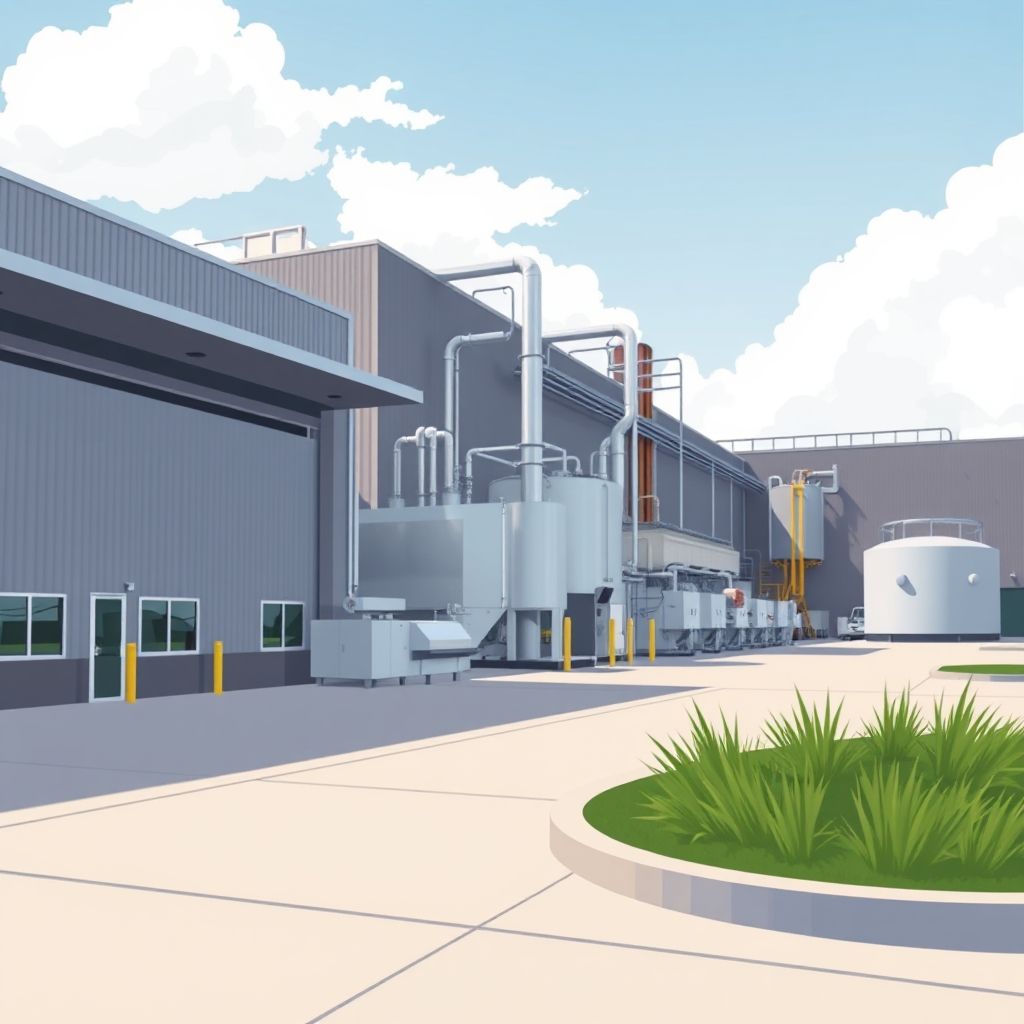
The new Qcells residential panels will utilize aluminum frames that undergo three distinct manufacturing stages entirely within the United States. These stages include extrusion, anodization, and final fabrication, all executed at the ALUKO Group facility located in Halls, Tennessee. By housing these processes at a single site, the company ensures that the supply chain for this specific component remains geographically contained. This structural choice simplifies the verification process for domestic content compliance, reducing the complexity of tracking materials across multiple international borders or separate domestic vendors.
ALUKO describes its Tennessee plant as the only U.S. facility where extrusion, anodizing, and fabrication occur under one roof. This consolidated approach addresses a common friction point in solar manufacturing, where components are often produced in different countries or regions before assembly. For residential installers seeking to claim the Investment Tax Credit domestic content bonus adder, having all core frame manufacturing stages localized provides clearer documentation. The integration of these steps into a single domestic workflow supports the regulatory requirements outlined in the earlier announcement, ensuring that the frames meet the necessary criteria for tax credit eligibility without ambiguity regarding their origin or processing history.
Investment and Capacity
The ALUKO Group facility in Lauderdale County, Tennessee, is scheduled to reach full commercial production by the end of 2026. This timeline aligns with the introduction of the new Qcells panel series, ensuring that the necessary aluminum frames are available when the updated product lines launch. The plant is designed with a planned annual capacity sufficient to manufacture frames for 4 GW of solar modules. This scale indicates the facility is built to handle substantial volume, supporting not just a single product line but potentially broader industry demand for domestically made components.
To achieve this output, ALUKO plans to invest more than $107 million into the facility over a five-year period. This capital injection funds the equipment and infrastructure required for the extrusion, anodization, and fabrication processes described earlier. The expansion also has a direct local economic impact, with the facility expected to create 285 full-time jobs. These positions support the manufacturing and operational teams needed to maintain the high throughput required for the stated capacity.
| Metric | Value |
|---|---|
| Investment | >$107 million |
| Annual Capacity | 4 GW |
| Jobs Created | 285 |
| Full Production | End of 2026 |
The figures above illustrate the scale of the operational commitment. A capacity of 4 GW is significant for a single component manufacturer, suggesting the plant is positioned to serve a wide range of module producers or large-scale projects. The investment amount reflects the capital-intensive nature of aluminum processing, where precision equipment and energy costs are substantial. For the local workforce, the 285 jobs represent a stable addition to the regional economy, tied directly to the solar supply chain. The five-year investment horizon indicates a long-term operational strategy rather than a short-term pilot, providing stability for workers and suppliers in the area. This sustained commitment helps solidify the domestic supply chain for residential and commercial solar installations.
Regulatory Context and Leadership
- Treasury Department guidance sets specific manufacturing thresholds for the 10% tax credit bonus
- Statutory domestic content threshold steps up to 55% for projects starting construction in 2027
- Il Hyeong No, head of Qcells North America’s residential business, emphasized commitment to U.S. manufacturing and customer certainty for bonus qualification
- Jinwoo Park, ALUKO Group president, highlighted transparency and confidence in the domestic extrusion, anodizing, and fabrication process
- Qcells maintains broader domestic manufacturing operations in Dalton and Cartersville, Georgia
The federal framework governing these incentives has evolved to place greater emphasis on localized production. Treasury Department guidance currently defines the specific manufacturing thresholds required to secure the 10% tax credit bonus, providing a clear baseline for compliance. Looking ahead, the statutory domestic content threshold for clean energy projects will increase to 55% for those commencing construction in 2027. This scheduled step-up means that near-term projects must navigate current rules while anticipating stricter future requirements, influencing how developers structure their timelines and supply chains to maintain eligibility.
Leadership from both partners underscores the strategic importance of this alignment. Il Hyeong No, head of Qcells North America’s residential business, stated that the partnership furtheres the company’s commitment to U.S. manufacturing, supporting clean, affordable energy and giving customers the certainty needed to qualify for the domestic content bonus. Similarly, Jinwoo Park, president of ALUKO Group, noted that performing extrusion, anodizing, and fabrication in the United States delivers a product offering transparency and confidence at every step. This focus on verifiable domestic sourcing complements Qcells’ broader manufacturing push, which already includes operations in Dalton and Cartersville, Georgia.
What to watch
The primary near-term milestone is the ALUKO facility reaching full commercial production by the end of 2026. This deadline coincides with the launch of the new Qcells residential panel series, creating a critical synchronization point. If frame production lags behind module assembly, the promised domestic content claims could face scrutiny during tax credit audits. Readers should monitor whether the Tennessee plant successfully scales to its designed throughput without disrupting the initial rollout of the updated panel lines.
Beyond the immediate launch, the regulatory horizon shifts significantly for projects starting construction in 2027. The statutory domestic content threshold steps up to 55%, a stricter requirement than the current baseline. This change forces developers and installers to re-evaluate their supply chain documentation more rigorously. While the current partnership addresses the existing 10% bonus criteria, the higher future threshold may necessitate additional localized components or more complex verification processes.
Stakeholders should also track how the integrated manufacturing model performs in practice. The consolidation of extrusion, anodizing, and fabrication under one roof is intended to simplify compliance, but real-world operational hurdles can arise. Success will depend on maintaining consistent quality and capacity to meet the stated annual output. For consumers, the key question is whether this domestic sourcing translates into stable pricing and reliable eligibility for tax incentives as the market adapts to the evolving federal guidelines.
Source: pv magazine USA. This article is an original Luminity report based on the linked source.