
Uttar Pradesh Rooftop Solar Crosses 9 Lakh Installations, Adds 3,000 MW Capacity
Uttar Pradesh has surpassed nine lakh rooftop solar installations under the PM Surya Ghar Muft Bijli Yojana, adding over 3,000 MW of capacity. The program has generated significant economic activity, creating over one lakh direct jobs and engaging thousands of vendors.
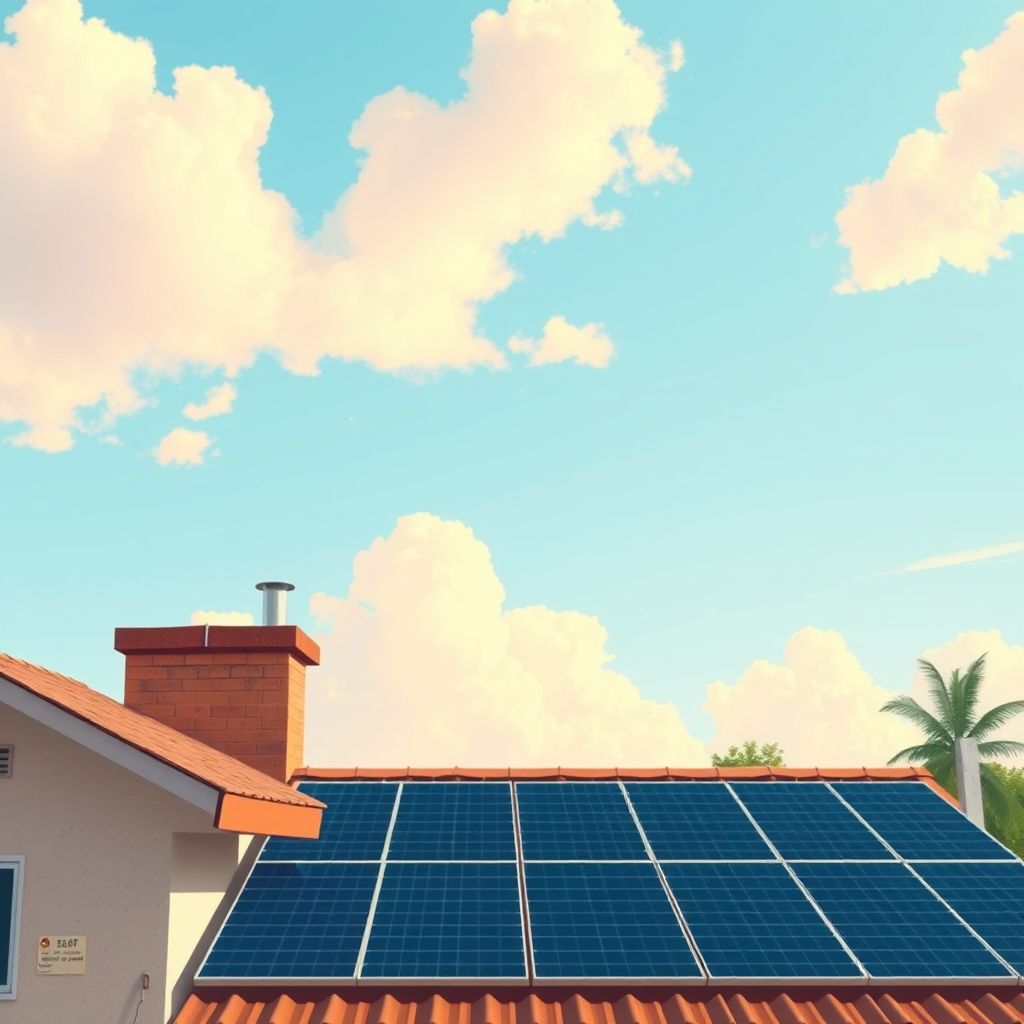
Uttar Pradesh has officially crossed a major milestone in renewable energy adoption, exceeding 9 lakh rooftop solar installations. This achievement marks a significant expansion of the state's distributed generation capacity.
The total added capacity from these installations now exceeds 3,000 MW, according to ETEnergyWorld Renewables. This growth is driven primarily by the PM Surya Ghar Muft Bijli Yojana, which has accelerated deployment across the state.
These figures reflect the state's rapid progress in integrating solar power into its residential energy mix. The expansion continues to build on previous phases of the national rooftop solar initiative.
Economic Impact
The scale of this deployment has translated into substantial labor demand across the state. The expansion has generated over 1 lakh direct jobs, a figure that highlights the labor-intensive nature of distributed solar projects. Unlike large-scale utility plants, which often rely on centralized construction crews, rooftop installations require a vast network of local technicians, installers, and safety inspectors. This creates a steady stream of employment that remains localized within the communities where the panels are installed. For the state economy, this workforce provides a durable source of income that is less volatile than seasonal agricultural work, supporting household budgets in both urban and rural districts.
Beyond employment, the supply chain has matured to support this volume of activity. More than 9,500 registered vendors are currently participating in the market. This density of suppliers indicates a robust ecosystem where local businesses handle everything from site assessment to final commissioning. A large vendor base helps maintain competitive pricing for consumers and ensures that installation timelines remain short, which is critical for keeping the momentum of the national subsidy scheme. When thousands of small and medium enterprises operate within a single state’s regulatory framework, they develop specialized expertise in navigating local grid connections and compliance standards. This institutional knowledge reduces friction for future projects and allows the sector to scale without relying entirely on external contractors. The presence of such a deep vendor network also suggests that the state’s infrastructure can absorb further growth without immediate bottlenecks in service delivery.
Financial Incentives
The economic viability of rooftop solar in Uttar Pradesh relies heavily on the structure of financial support available to residential consumers. Two key components define this framework:
- Maximum combined subsidy per household: ₹1.08 lakh
- Indicative electricity tariff: Rs 6.50 per unit
The subsidy structure significantly lowers the upfront capital barrier for homeowners. By covering a substantial portion of the system cost, the incentive transforms solar adoption from a high-risk investment into a more accessible utility upgrade. This reduction in initial outlay is critical for middle-income households who might otherwise be priced out of the market due to the high cost of modules and installation labor. For the average consumer, this support mechanism aligns the payback period of the system with the expected lifespan of the equipment, making the financial logic of self-generation much clearer.
The indicative tariff of Rs 6.50 per unit provides a clear benchmark for calculating savings against grid electricity. When households compare this self-generated cost to the prevailing commercial rates charged by distribution companies, the potential for monthly bill reduction becomes tangible. This price point helps users model their return on investment more accurately, factoring in both the immediate subsidy benefit and the long-term operational savings. Understanding this tariff is essential for consumers to determine the specific capacity of the system that offers the best balance between subsidy eligibility and energy needs, ensuring they maximize their financial return over the system's operational life.
Generation Output
The installed base now produces an estimated 1.35 crore units of electricity every day. This daily output represents a steady stream of clean power entering the local grid, effectively reducing the load on conventional thermal generation during peak hours. For the state’s power distribution network, managing this volume of distributed generation requires sophisticated metering and grid stability measures to ensure that the incoming solar energy is absorbed efficiently without causing voltage fluctuations. The consistent daily flow also helps smooth out the variability inherent in solar technology, as clouds and weather patterns can temporarily dip production levels. By aggregating millions of individual rooftops, the state creates a massive virtual power plant that contributes reliably to the overall energy mix.
Annualized, this generation translates into an estimated value of ₹3,202 crore in electricity. This figure highlights the substantial economic scale of the distributed solar sector within the state. For consumers, the value of self-generated power often exceeds the cost of grid electricity, leading to significant savings on monthly utility bills. The financial magnitude of this output also signals to investors that the market has moved beyond experimental phases into a high-volume commercial reality. Such large-scale generation supports local economic activity by keeping energy expenditure within the household and community rather than flowing out as fuel costs to distant power plants. The recurring nature of this daily production ensures a continuous economic benefit that compounds over the operational life of the systems, reinforcing the long-term financial logic behind residential solar adoption.
What to watch
The pace of deployment will define the next phase of this expansion. With the state currently adding between nine and ten MW of new rooftop capacity every day, the infrastructure must keep pace with this steady inflow. Grid operators need to ensure that local distribution networks can handle the increasing volume of decentralized power without compromising stability. Maintaining this consistent daily rate is essential for meeting broader state targets, but it also tests the logistical limits of the existing vendor ecosystem. As installation density rises in specific districts, the coordination between utility providers and local technicians becomes a critical operational challenge that could influence overall project timelines.
Regulatory deadlines also shape the near-term outlook for consumers. Applications for the current subsidy cycle must be submitted by March 31, 2027. This fixed date creates a clear horizon for homeowners planning to invest in solar systems. Those who miss this window may face different financial terms or wait for subsequent policy announcements. For the state, tracking application volumes leading up to this deadline provides a real-time indicator of consumer interest and market saturation. Monitoring how the application pipeline evolves in the months before the cutoff will offer valuable insights into whether the current incentive structure continues to drive adoption or if adjustments are needed to sustain momentum beyond the present cycle.
Source: ETEnergyWorld Renewables. This article is an original Luminity report based on the linked source.