
Dutch startup Rable targets fragile roofs with low-load PV mounting system
Rable’s Rable4Roofs system uses a self-supporting lattice to reduce anchor points by 95%, allowing solar installation on roofs with limited load-bearing capacity. The company has completed 60 projects in 30 months and is expanding into France, where it aims to install 10 systems by December.
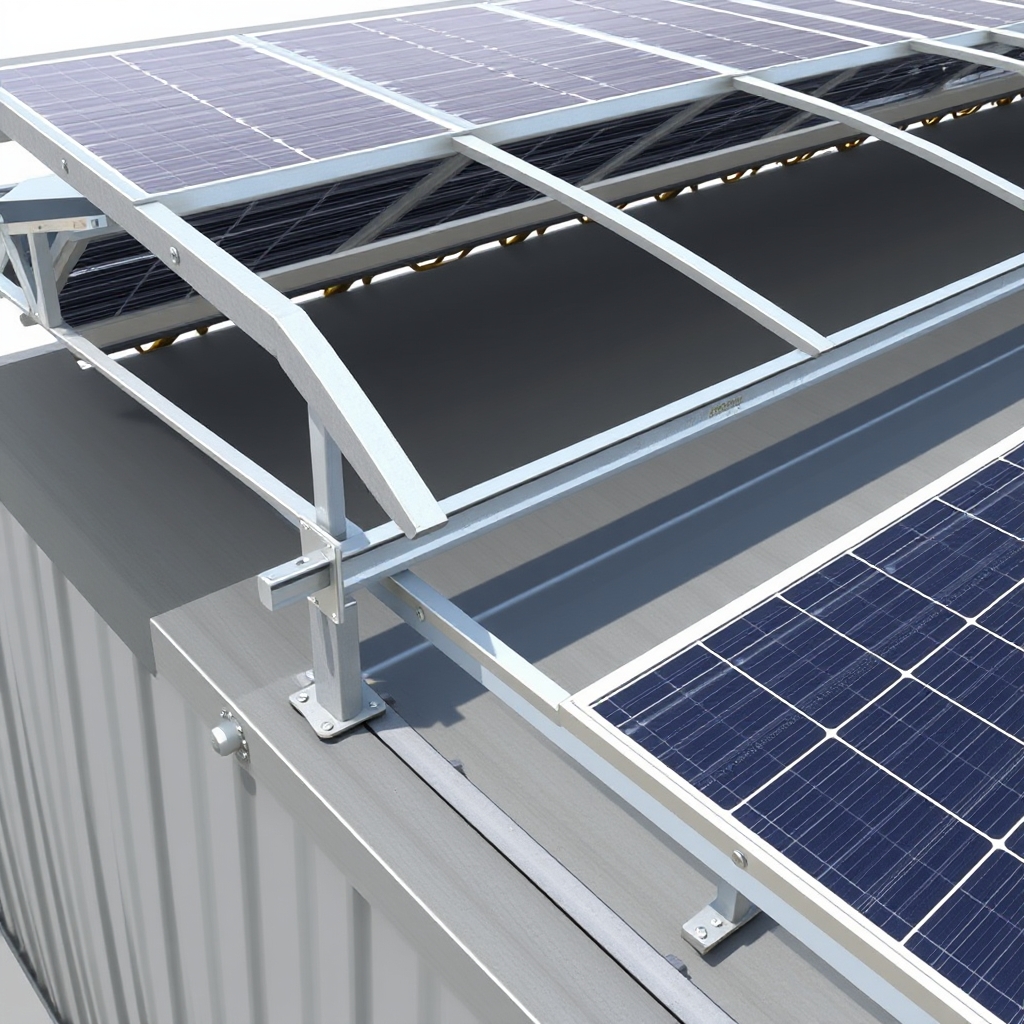
Dutch startup Rable has introduced Rable4Roofs, a photovoltaic mounting system specifically engineered for fragile roofs with limited load-bearing capacity. According to the company, the design addresses the structural constraints that often prevent solar adoption on older or delicate building structures. By minimizing the physical footprint of the installation, the system aims to make solar energy viable for a broader range of roof types that would otherwise be excluded from retrofit projects due to weight concerns.
The primary technical distinction of Rable4Roofs lies in its approach to roof penetration. The company states that the system reduces the number of anchor points by 95% compared to conventional mounting solutions. This reduction is intended to lower the mechanical stress on the roof structure. While the startup highlights this efficiency, the specific performance metrics are based on the company’s own assertions regarding the system’s design capabilities.
Structural Engineering
Rable4Roofs employs a self-supporting lattice design to manage structural loads without relying on the roof surface itself. The framework combines compression elements with tension cables to create a rigid structure capable of withstanding wind and snow forces. This configuration ensures that the weight of the photovoltaic modules rests on the building’s roof purlins rather than the roof panels, a distinction that significantly reduces stress on fragile decking materials. By distributing loads evenly across this internal lattice, the system maintains stability while minimizing the mechanical burden on the underlying structure.
The physical interface between the mounting system and the roof is engineered to prevent damage. Loads are transferred through rubber-granulate pads that spread pressure across a wider area. According to the company, this design keeps surface pressure as low as 3 kPa. Different pad configurations allow installers to adapt the system to varying structural requirements, ensuring compatibility with diverse roof conditions. PV modules are mounted on dedicated rails that facilitate alignment, stability, ventilation, and drainage. The system achieves loads between 6 kg/m² and 15 kg/m², which is substantially lighter than conventional mounting solutions that are two to three times heavier. This reduction in mass is critical for older buildings where additional weight could compromise structural integrity.
Material and Warranty
- Mounting structure made from galvanized steel sourced from Belgium
- Comes with 15-year corrosion warranty
- Suitable for flat or slightly pitched roofs up to 10 degrees slope
- Does not compromise waterproofing
The structural integrity of Rable4Roofs relies on a framework constructed from galvanized steel, specifically sourced from Belgium. This material choice provides the necessary durability for an outdoor installation that must withstand varying weather conditions over time. To support this longevity, the manufacturer offers a 15-year corrosion warranty, a duration that aligns with the lower end of standard industry expectations for long-term outdoor metal components. Such a warranty period gives building owners and investors a defined window of protection against material degradation, although it does not cover the full operational lifespan of the photovoltaic modules themselves, which often last longer.
The system is designed for flat or slightly pitched roofs, accommodating slopes up to 10 degrees. This specific geometric constraint ensures that the lattice structure remains stable without requiring complex angle adjustments. A key advantage for building managers is that the installation process does not compromise the roof’s waterproofing integrity. By avoiding extensive penetrations and relying on the specified load distribution, the system preserves the existing barrier against moisture ingress. This feature is vital for older structures where any breach in waterproofing could lead to costly interior repairs and structural decay, thereby protecting the asset value beyond just the energy generation benefits.
Market Performance
Rable’s mounting system addresses a significant financial hurdle for developers by potentially eliminating the need for costly roof renovations. Traditional retrofits on fragile structures often require structural reinforcement, which can add up to €125 per square meter to project budgets. By reducing load and penetrations, Rable4Roofs allows projects to proceed without these additional structural upgrades, improving the overall economic viability of solar installations on older buildings. This cost avoidance is particularly relevant for commercial portfolios where marginal efficiency gains can determine whether a project reaches the necessary return on investment thresholds.
The company’s operational efficiency is another key driver of its market traction. The system arrives at job sites preassembled, a logistical approach that minimizes on-site labor and reduces weather-related delays. According to the startup, two installers can set up the mounting structure for 275 solar panels in just 2.5 hours. This speed is notable because installation time directly impacts labor costs and project schedules, which are critical factors for investors assessing project timelines. Faster deployment also means less disruption to building operations, a consideration for commercial tenants and facility managers.
Since launching, Rable has completed 60 photovoltaic projects within the first 30 months. These installations vary widely in scale, ranging from 50 to 5,000 modules per site. This diversity demonstrates the system’s adaptability to different building footprints and energy requirements. For developers, the ability to deploy the same mounting solution across such a broad spectrum of project sizes simplifies procurement and planning. It allows for standardized installation procedures regardless of whether the roof is a small commercial unit or a larger industrial warehouse, reducing the complexity of managing multiple supply chains and specialist contractors.
French Expansion
Rable is currently involved in two projects in France, marking an early step into the European market. One specific installation, a 260 kW rooftop system at a supermarket in Châtenoy-en-Bresse within the Saône-et-Loire department, highlights the technical challenges the startup addresses. This particular roof featured very limited load-bearing capacity and Class B compressibility insulation. In the broader solar industry, insurers generally refuse coverage for systems installed on Class B insulation due to the high risk of water ingress and structural failure. By targeting such difficult substrates, Rable opens up a segment of the commercial real estate portfolio that is often excluded from retrofitting programs because of these insurance barriers.
The engineering solution delivered a structural load of 13.7 kg/m² for this supermarket project. This specific weight achievement translated into a reduced capital expenditure of €0.15 ($0.16) per watt. For developers, lowering the cost per watt is a direct lever for improving project margins, especially when dealing with complex roof conditions that typically inflate budgets. The company expects to complete its first 10 installations in France by December. This timeline suggests a phased rollout strategy, allowing the team to refine logistical processes and local permitting interactions before scaling further. Successfully navigating the French regulatory and insurance environment will be key to replicating the success seen in its home market.
What to watch
Rable’s French rollout hinges on navigating the country’s specific regulatory hurdles. The startup is currently pursuing an ATEx (Appréciation Technique d'Expérimentation) from the CSTB, a critical validation step for novel construction techniques in France. This certification complements the existing ETN (Enquête de Technique Nouvelle), which remains valid through 2028. Securing the ATEx will likely streamline permitting processes and demonstrate compliance with local building standards, reducing friction for future commercial installations.
Beyond regulatory approvals, the company is eyeing broader European expansion. Founded just two and a half years ago, Rable is testing its scalability across different national markets. A key demand driver in France is the Décret tertiaire, a regulation that mandates energy efficiency improvements for large commercial buildings. Developers will be watching how quickly Rable can convert this mandated demand into completed projects, particularly as it refines its logistics for cross-border operations. Success in these early French installations will serve as a proof point for its ability to operate outside its home market.
Source: pv magazine. This article is an original Luminity report based on the linked source.