
German startup Exxosqel tests coating to cut solar module glass weight by 40%
Exxosqel, a subsidiary of Exxergy, has developed a coating technology in collaboration with Fraunhofer ISC that aims to reduce glass usage in photovoltaic modules by up to 40%. Preliminary laboratory tests indicate the coating can significantly increase the mechanical strength of thinner glass, potentially lowering total module weight by approximately 30%.
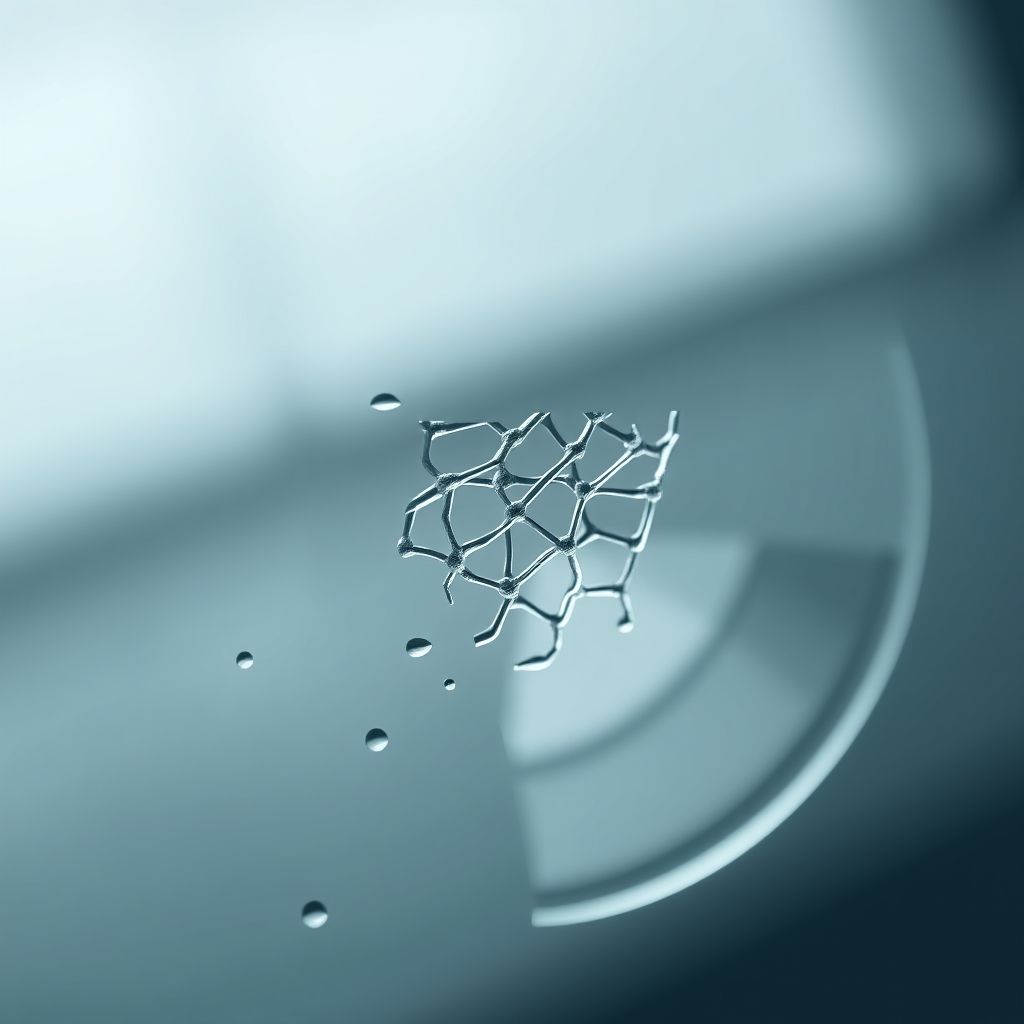
German startup Exxosqel, a subsidiary of Exxergy, is testing a new coating designed to enhance the mechanical strength of solar glass. The company says this technology could enable a reduction in glass weight by up to 40%.
By improving strength, Exxosqel aims to allow for thinner glass substrates without compromising durability.
Laboratory Strength Gains
| Glass Thickness | Strength Increase vs. Untempered Reference |
|---|---|
| 2 mm | Four times higher |
| 1 mm | Sevenfold increase |
Laboratory tests indicate that Exxosqel’s coating significantly boosts the mechanical properties of thinner glass substrates. The data show a fourfold strength increase for 2 mm glass and a sevenfold increase for 1 mm glass when compared to untempered reference samples. This performance addresses a specific limitation of conventional thermal tempering, which becomes less effective as glass thickness decreases. Since standard photovoltaic modules typically use 3.2 mm glass, these results suggest the coating could support the shift toward lighter substrates that thermal processes alone cannot adequately reinforce.
Weight Reduction Mechanics
- Glass accounts for 70% to 80% of a standard photovoltaic module’s total mass.
- Typical module weights range from 11 kg/m² to 13 kg/m², with heavier designs reaching approximately 16 kg/m².
- The coating operates as a multicomponent composite that forms a three-dimensional cross-linked structure within microcracks.
- Company estimates suggest a potential total module weight reduction of approximately 30%.
Instead of simply thinning the material, Exxosqel’s coating penetrates existing microcracks to create a robust, three-dimensional cross-linked network.
The company estimates this approach could cut total module weight by roughly 30%, bringing heavier designs down from approximately 16 kg/m² to around 11 kg/m².
Development and Funding
Exxosqel is creating the coating alongside the Fraunhofer Institute for Silicate Research (Fraunhofer ISC). The technology has reached Technology Readiness Level 6, indicating that the system is undergoing validation in a relevant environment. For these tests, Fraunhofer ISC supplies synthesis capacity of up to 100 liters. Exxergy and the German Federal Ministry for Economic Affairs and Energy provide the financial backing. This funding supports two specific projects: “Green Solar Modules” and “Green Solar Modules Glass II”.
Scaling and Prototype Specifications
Exxosqel indicates that the coating has yielded prototypes of standardized dimensions under conditions approximating real-world operation, while mechanical load tests are still in progress. The firm claims the technology has attained Technology Readiness Level 6, a designation denoting prototype verification within a pertinent setting. The primary goal is to progress to TRL 7 by confirming the coating's performance in an actual operational context. Fraunhofer ISC supplies specialized knowledge in material synthesis, capable of handling volumes up to 100 liters, along with coating methods to facilitate this step. This developmental effort is backed by the “Green Solar Modules” and “Green Solar Modules Glass II” initiatives, which receive funding from Exxergy and the German Federal Ministry for Economic Affairs and Energy. Subsequent phases will focus on expanding material synthesis, coating deployment, and automation to allow for incorporation into current production lines, thereby shifting from small glass specimens to larger formats and complete commercial modules.
What to watch
The immediate next step for Exxosqel is reaching Technology Readiness Level 7, which requires validating the coating in an operational environment rather than a lab.
Source: pv magazine. This article is an original Luminity report based on the linked source.