
244-tonne transformer arrives at New England Solar for 320 MW expansion
A massive 244-tonne transformer has completed a 2,165 km journey from Adelaide to northern NSW. The delivery enables the construction of the second stage of Acen Renewables' 720 MW New England Solar project.
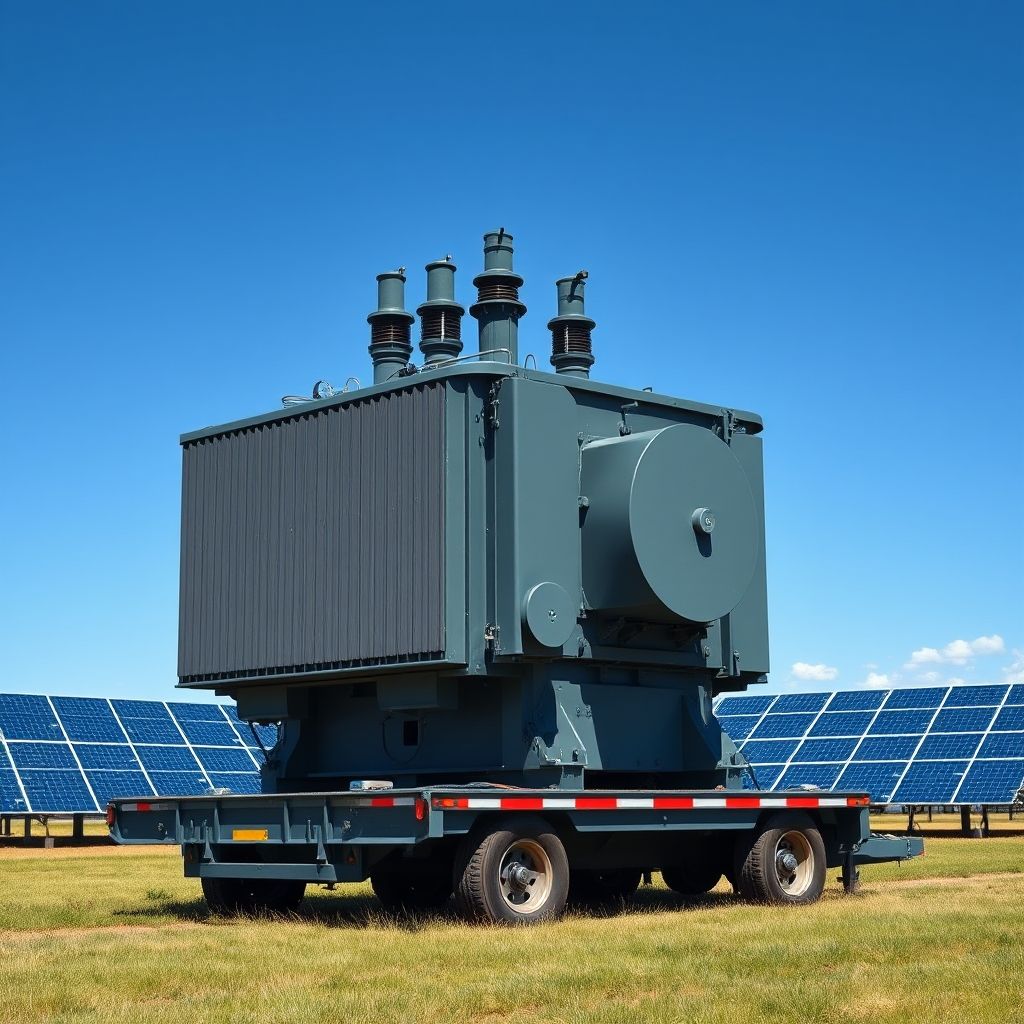
A 244-tonne transformer has arrived at the New England solar farm, marking a key logistical milestone for the site’s 320 MW expansion. According to RenewEconomy, the heavy equipment was transported 2,165 km from Adelaide port to northern NSW. The journey required careful planning to move such a massive component across state lines.
The arrival underscores the scale of infrastructure needed for large-scale renewable energy projects. While the specific route details are not fully elaborated in the initial report, the distance highlights the complexity of supply chains in the clean-energy sector. This delivery is part of the broader effort to upgrade the farm’s capacity, aligning with ongoing developments in Australia’s solar infrastructure. The successful transport of the transformer sets the stage for subsequent installation phases at the site.
Project Context
Acen Renewables is driving the second stage of construction at the New England Solar farm. This phase enables an additional 320 MW of generation capacity, bringing the total project capacity to 720 MW. The arrival of the transformer marks a critical juncture in this expansion, allowing developers to proceed with the next phase of infrastructure build-out.
The equipment is described by Acen Renewables as the heaviest and largest transformer supplied to the site. Such oversized components are essential for large-scale solar farms because they manage the high voltage levels required to transmit electricity efficiently over long distances. Without these robust interface systems, the generated power could not be safely integrated into the national grid.
For developers, securing and installing such heavy infrastructure represents a significant logistical and financial hurdle. The successful delivery of this specific unit clears a major bottleneck for the second stage. It signals that the physical groundwork for expanding the farm’s output is now in motion. This progression is vital for meeting broader renewable energy targets in the region.
The expansion to 720 MW positions the site as a substantial contributor to the energy mix. As the grid accommodates more variable renewable sources, the reliability of high-capacity transmission equipment becomes increasingly important. The presence of this transformer indicates that the project is moving from planning to tangible, on-site execution.
Engineering Specs
The physical scale of the transformer dictates the engineering requirements for its transport and eventual integration. The unit measures 11 metres in length and stands 4.4 metres high. These dimensions place it well within the standard envelope for heavy industrial cargo, yet the sheer mass of 244 tonnes necessitates specialized handling equipment to distribute the load safely across the road network.
| Feature | Specification |
|---|---|
| Length | 11 m |
| Height | 4.4 m |
| Trailer Configuration | 18-axle modular platform |
| Total Convoy Length | 70 m |
The equipment was carried on an 18-axle modular platform trailer, a configuration designed to spread extreme weight over a larger contact area with the road surface. This setup prevents excessive pressure on any single point, reducing the risk of pavement damage and improving vehicle stability during transit. The resulting convoy stretches 70 metres from the front of the lead vehicle to the rear of the trailer. Such lengthy combinations require precise coordination, as they reduce maneuverability in tight urban environments or complex junctions.
For logistics operators, managing a 70-metre convoy involves careful route planning to avoid bridges with low clearance or roads with tight turning radii. The modular nature of the trailer allows for adjustments to accommodate the specific geometry of the transformer, ensuring the centre of gravity remains stable throughout the journey. This level of engineering precision is standard for oversized loads, where minor miscalculations can lead to significant delays or safety hazards. The successful movement of this specific configuration demonstrates the capability of current heavy-hauling infrastructure to support the growing demand for large-scale renewable energy components.
Logistics Details
- Logistics Provider: Ares Group
The heavy haul was executed by Ares Group, the specialist logistics provider responsible for moving the transformer from Adelaide port to the northern NSW site. Handling a 244-tonne load over a 2,165 km distance requires a level of operational coordination that goes far beyond standard freight. Ares Group managed the entire journey, ensuring the massive unit arrived safely despite the challenges of cross-state travel and the specific constraints of the route.
In the renewable energy sector, the transport of such critical infrastructure is often the most visible and logistically complex phase of a project. For developers, relying on a partner with specific heavy-haul expertise mitigates the risk of delays that can stall entire construction timelines. The successful completion of this leg of the journey highlights the invisible but essential network of logistics operators who enable large-scale solar expansions to move from planning to physical reality.
The collaboration between the project developers and Ares Group underscores the importance of specialized supply chain management in modern energy infrastructure. While the transformer itself is a piece of static equipment, its movement is a dynamic operation that demands precision. This delivery represents a tangible achievement for the logistics team, clearing the path for the installation crews to begin their work at the New England Solar farm.
What to watch
With the transformer now on site, attention shifts to the physical installation process. Engineers must align the unit with existing infrastructure, ensuring electrical connections meet strict safety and performance standards. This phase often involves complex coordination between civil and electrical teams, where timing is critical to avoid delays in the broader construction schedule.
Readers should monitor the progress of the grid connection work. Integrating a large-scale solar facility into the national transmission network requires regulatory approval and technical testing to verify stability. These checks confirm that the plant can feed power reliably without disrupting other operators. Any issues during commissioning could push back the final energization date.
Supply chain continuity remains a key variable. While this specific heavy haul is complete, subsequent deliveries of inverters, cabling, and other components must follow a precise sequence. A disruption in these later stages could stall the final assembly, highlighting the ongoing challenge of managing just-in-time logistics for renewable energy projects. The successful transition from transport to installation will determine if the expansion meets its projected timeline for adding new generation capacity to the regional grid.
Source: RenewEconomy. This article is an original Luminity report based on the linked source.