GERC Delays Decision on 9 MW Hybrid Solar Project Evacuation
The Gujarat Electricity Regulatory Commission (GERC) has postponed its final ruling on JSW Renewable Energy’s 9 MW hybrid power project evacuation extension request. This regulatory delay could impact Gujarat’s renewable energy sector and set important precedents for hybrid solar systems development in the region.
Understanding the Importance of Hybrid Energy Projects
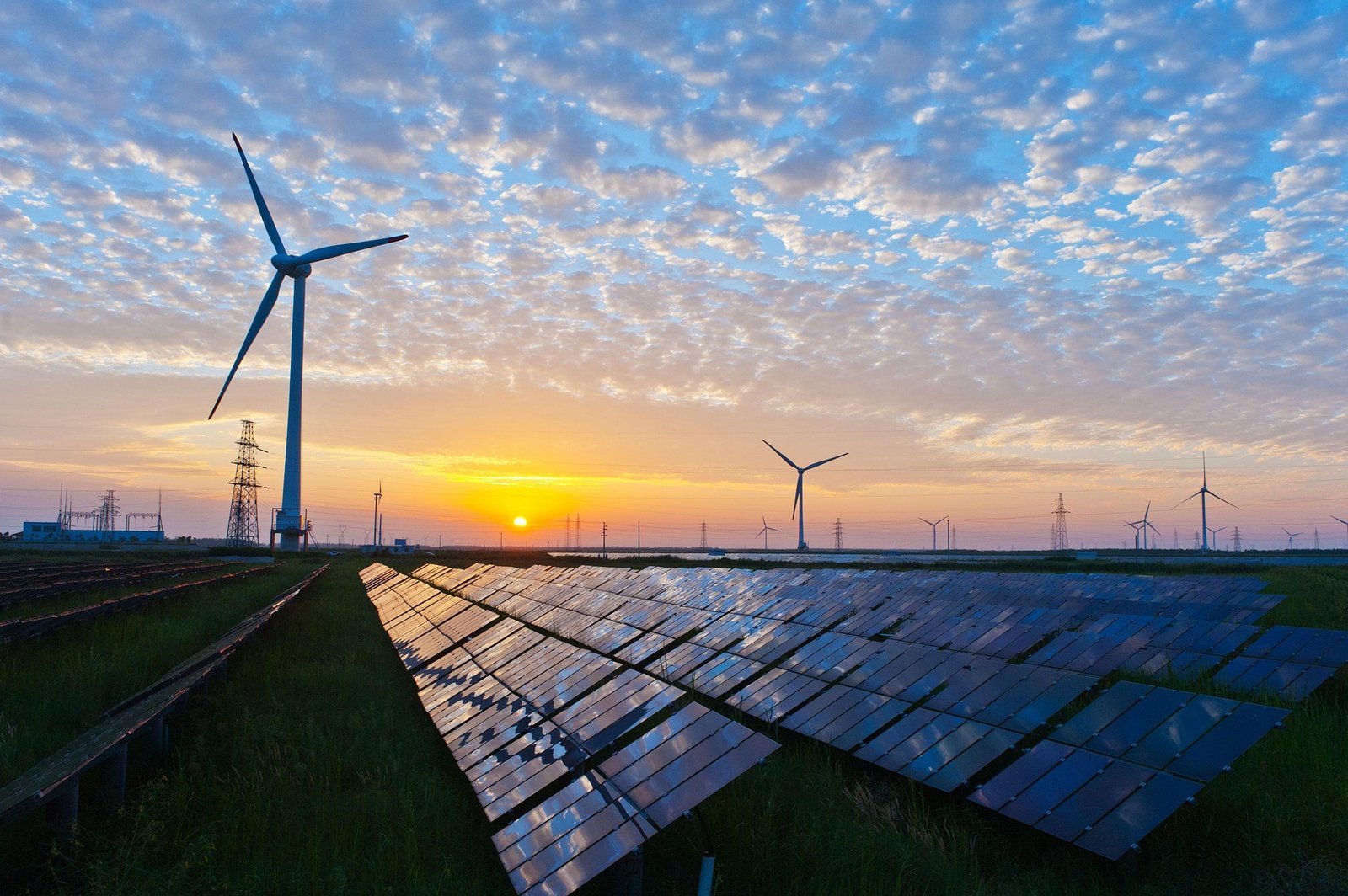
Combining solar and wind generation, hybrid projects like JSW’s 9 MW installation offer unique advantages for grid stability and renewable yield optimization. The current delay highlights common infrastructure challenges facing India’s solar energy expansion.
Timeline Pressure for Project Completion
Every day of delay impacts the project’s commercial viability through:
- Land acquisition delays
- Transformer installation bottlenecks
- Grid connectivity hurdles
Regulatory Considerations for Gujarat’s Energy Future
GERC faces a complex balancing act between supporting renewable development and maintaining grid discipline. The commission’s cautious approach mirrors recent cases like the Gujarat safeguard duty rulings that affected solar project economics.
Strategic Approaches for Developers
Proactive planning and modular solutions could help mitigate delays, as demonstrated by successful projects like the 250 MW Rajasthan storage system. However, regulatory flexibility remains crucial.
Broader Implications for Gujarat’s Renewable Goals
With Gujarat targeting 30 GW of renewable capacity by 2030, efficient evacuation infrastructure becomes critical. This 9 MW hybrid project serves as an important test case for larger solar-storage integration initiatives across the state.
The industry awaits GERC’s final order to understand how regulators will manage the competing priorities of project viability and grid stability in Gujarat’s evolving renewable landscape.