Adani Group Launches 1,126 MW Khavda BESS – India’s Solar Game Changer
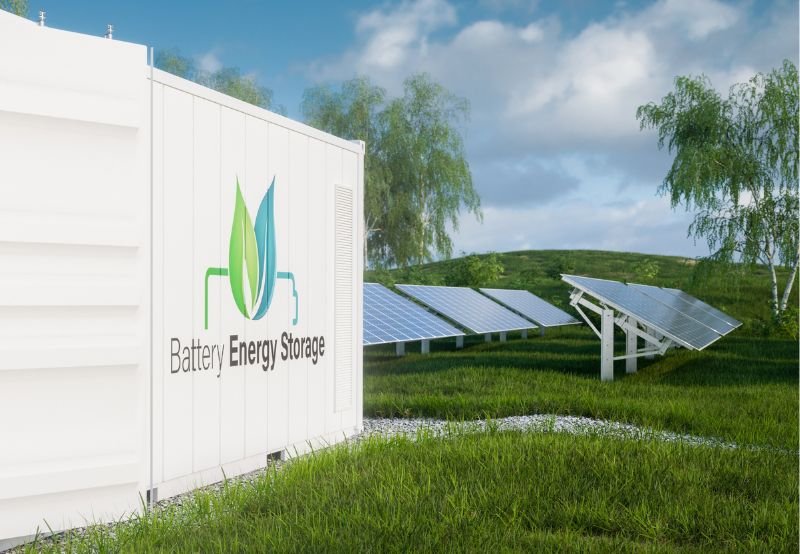
The Adani Group has made a significant entry into the battery storage sector with its new 1,126 MW / 3,530 MWh Khavda project, set to be one of the largest single-location Battery Energy Storage Systems (BESS) globally. This move is not just about scale; it’s about addressing India’s energy reliability challenges. With solar-plus-storage technology, BESS acts as a giant power bank for the grid, storing excess solar energy during the day and releasing it during peak demand or at night.
Why Battery Storage Matters Now
Solar energy is clean, but its intermittency is a challenge. That’s where battery storage comes in, solving India’s energy reliability puzzle. By ensuring a stable power supply, battery storage can help rooftop solar and utility-scale solar projects alike.
Khavda Project: By the Numbers
The 1,126 MW capacity and 3,530 MWh storage of the Khavda project mean it could power over 750,000 homes for 4 hours during outages. This is larger than Tesla’s Hornsdale Power Reserve in Australia (150 MW/194 MWh). The project utilizes lithium-ion technology, similar to what’s used in electric cars but scaled for industrial use.
The Ripple Effects
This isn’t just about Adani. The project could drive down battery costs through economies of scale—much like how solar panel prices fell 80% in the last decade. Local manufacturers like Amara Raja and Exide might ramp up production to meet demand.
Challenges Ahead?
Some experts question whether India’s grid infrastructure can handle such massive storage inputs. Thermal power plants still dominate, and grid modernization has been slow. However, with projects like Khavda, the pressure to upgrade will intensify, driving