UPERC Greenlights 1500MWh Battery Storage to Boost Solar in UP
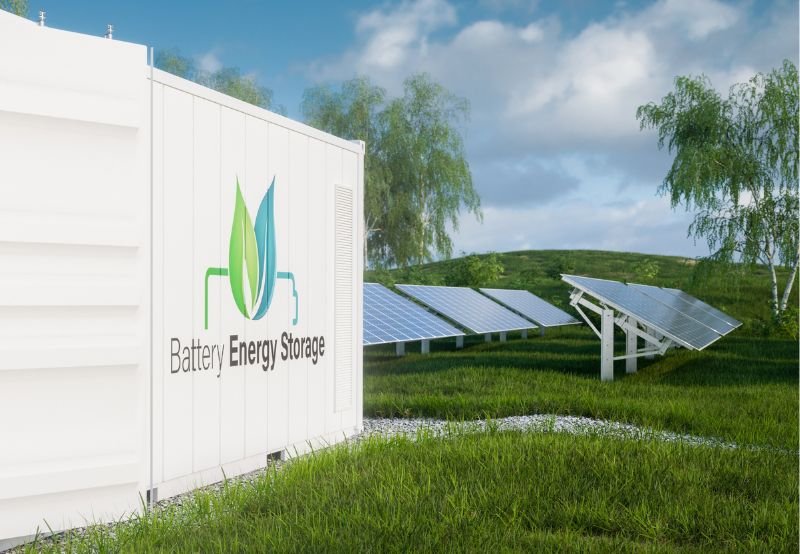
The Uttar Pradesh Electricity Regulatory Commission (UPERC) has given the go-ahead to the state’s largest leap into energy storage – approving UPPCL’s proposal for 375 MW/1500 MWh standalone battery systems with viability gap funding. This move is expected to revolutionize Uttar Pradesh’s solar future.
Why Battery Storage Is the Missing Puzzle Piece
Solar panels don’t generate power at night. Without storage, excess daytime energy goes to waste. This issue can be mitigated with advanced home battery systems like Tesla Powerwall.
How VGF Makes the Math Work
Battery projects often struggle with high upfront costs. The viability gap funding (VGF) acts as a bridge loan from the government, reducing risks for developers. This approach has been tested in states like Gujarat and now in UP’s 1500 MWh bid, signifying a significant commitment to India’s solar boom.
Stabilizing the Grid with Solar
Solar stabilizes the grid, especially when combined with battery energy storage systems (BESS). It also makes net metering more viable, as rooftop solar feeds into a battery-backed grid, reducing discoms’ concerns about erratic supply.
The Lithium vs. Alternatives Debate
Most projects rely on lithium-ion batteries. However, with India pushing for local battery manufacturing, this tender could nudge suppliers toward homegrown tech. The role of microinverters and innovative solar solutions also becomes crucial in this context.
What’s Next for Developers?
Tenders will drop soon, and developers should prepare. Projects of this scale require advanced inverter systems and serious land partnerships. The focus should also be on cycle life, as a 1500 MWh system cycling twice daily translates to 3000 MWh of real-world throughput.
UPERC’s move is a wake-up call. Storage isn’t ancillary anymore; it’s the main act, especially in the context of India’s renewable energy growth and solar power surge.