Oman and South Korea Forge Historic Green Hydrogen Alliance
Oman and South Korea are converging in a landmark partnership to drive green hydrogen growth, aligning with solar-hydro hydrogen hub projects. This strategic collaboration supports Oman’s Vision 2040 and South Korea’s net-zero 2050 targets.
Decarbonization through Green Hydrogen
Green hydrogen, produced using renewable-powered electrolysis, has emerged as a critical component for decarbonizing hard-to-abate sectors like shipping and steel. Oman’s exceptional solar resources (averaging 5-6 kWh/m²/day) perfectly complement South Korea’s expertise in fuel cell technology and industrial applications.
Green Hydrogen Vision by the Numbers
- Oman targets 1 million tonnes annual production by 2030
- Leverages existing LNG infrastructure for export
- South Korean firms could deploy hydrogen-powered industrial solutions
Overcoming Implementation Challenges
While critics point to water usage concerns in Oman’s desert regions, projects like Hydrom’s pilot plant demonstrate solutions with solar-powered desalination. South Korea’s limited domestic renewables capacity makes energy imports inevitable – creating mutually beneficial energy interdependence.
Current Projects Making an Impact
The $6.5 billion green ammonia plant in Duqm, developed with South Korean partners, uses German electrolyzers and converters. When operational in 2027, it will displace 700,000 tonnes of coal emissions annually.
Opportunities for Renewable Energy Professionals
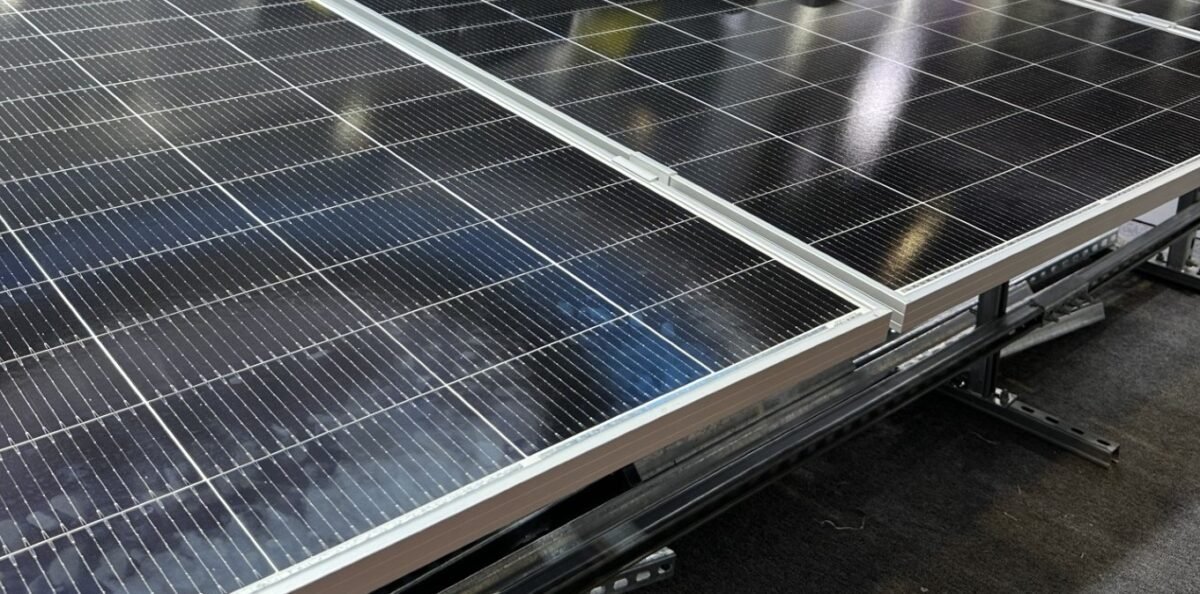
This collaboration creates openings for specialists in hybrid solar-hydrogen systems. Hybrid solutions incorporating bifacial panels and trackers could maximize electrolysis efficiency, requiring expertise across both renewables and industrial gas markets.
With battery storage limited for long-duration needs, green hydrogen fills a critical gap in the net-zero transition. Oman’s abundant solar resources may well fuel tomorrow’s global hydrogen economy while supporting both nations’ ambitious climate targets.