Libya’s Renewable Energy Milestone: 1 MW Solar Plant Launches in Kufra
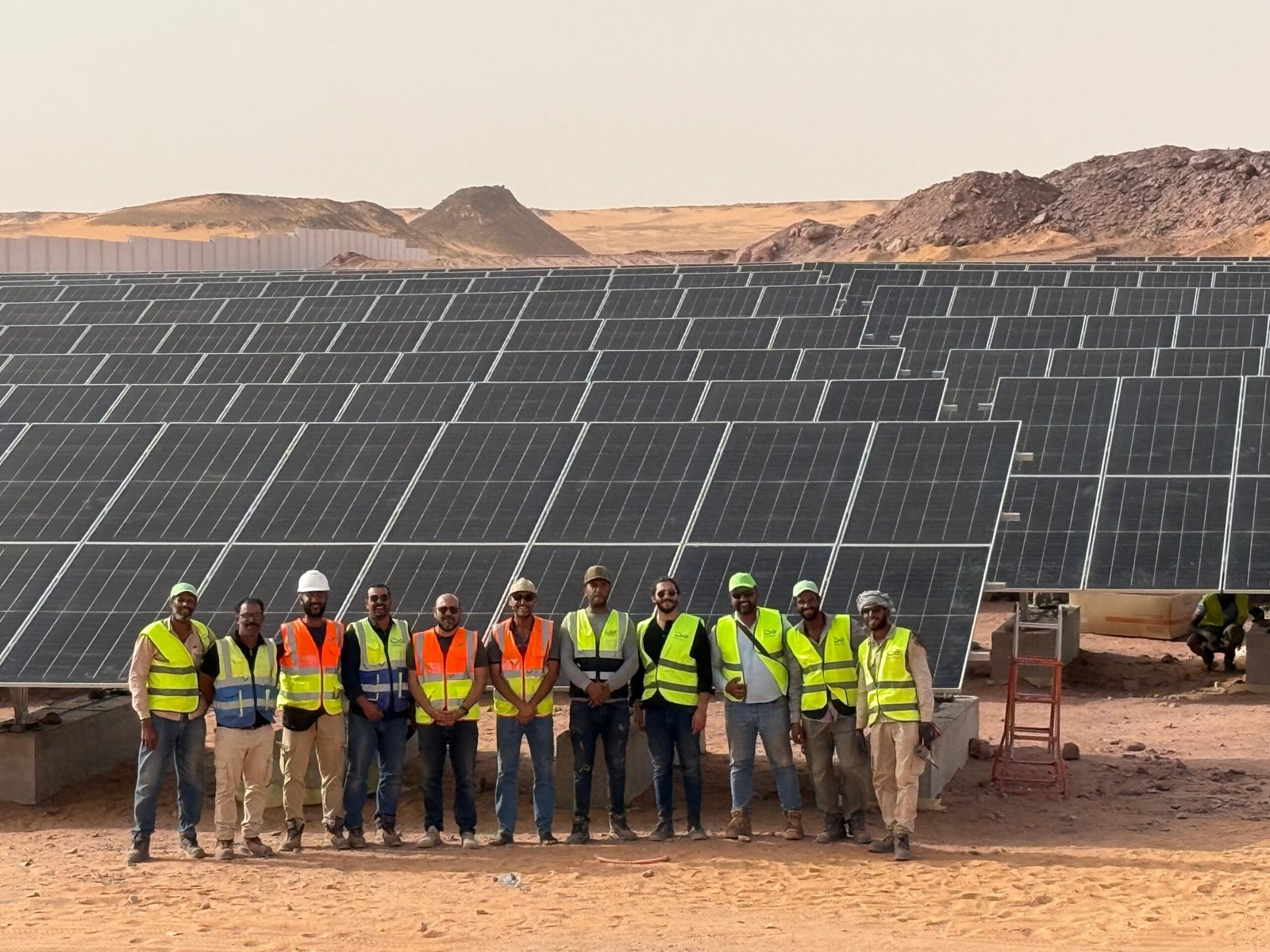
Libya has achieved a groundbreaking milestone by commissioning its first grid-connected solar power facility—a 1 MW photovoltaic project in Kufra. Developed through a partnership between Infinity Solar and Al-Jouf Free Zone, this launch marks a pivotal shift for a nation historically reliant on fossil fuels. But what makes this modest 1 MW installation significant for Libya’s energy transition?
Strategic Location: Kufra’s Solar Advantage
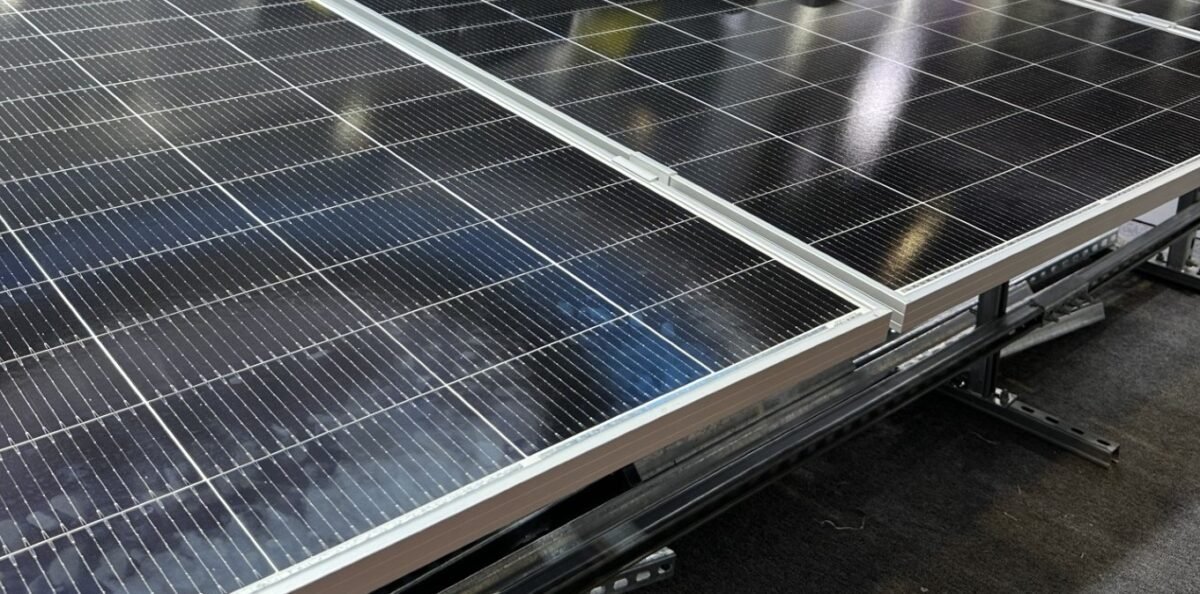
The southeastern city of Kufra receives over 3,500 annual sunlight hours—among North Africa’s highest irradiation levels. Its remote location, traditionally powered by diesel generators, presented an ideal hybrid solar systems test bed. Project engineers deployed bifacial panels capable of 15% output gains in sandy conditions, similar to technology used in Egypt’s massive Benban complex.
Engineering for Desert Conditions
Despite its small scale compared to mega-projects like Wisconsin’s 250 MW Portage Solar Project, the Kufra plant showcases smart design:
- String inverters rated for extreme heat
- Basic solar tracking technology
- Elevated mounting to combat sand accumulation
Sandstorm Resilience: Lessons From Global Projects
The plant incorporates self-cleaning panel coatings—a solution informed by Dubai’s solar farms that lost 5% output during single dust events. Engineers opted for durability over complex maintenance robots, prioritizing reliability in Libya’s harsh climate.
Economic and Political Impacts
Beyond energy production, the project generated 120 local jobs and demonstrated fast-track development through Al-Jouf’s tax incentives. Successful replication across Libya’s off-grid communities could significantly reduce the nation’s $3 billion annual fuel subsidy burden—mirroring trends seen in Chhattisgarh’s solar boom.
The Road Ahead for Libyan Solar
With solar costs already at $0.04/kWh (versus diesel’s $0.18), industry rumors suggest a 50 MW tender may emerge. As Libya’s energy landscape evolves, this 1 MW pilot proves the viability of utility-scale solar in North Africa’s challenging environments.