India Reaches 100 GW Solar Module Capacity, but Oversupply Looms
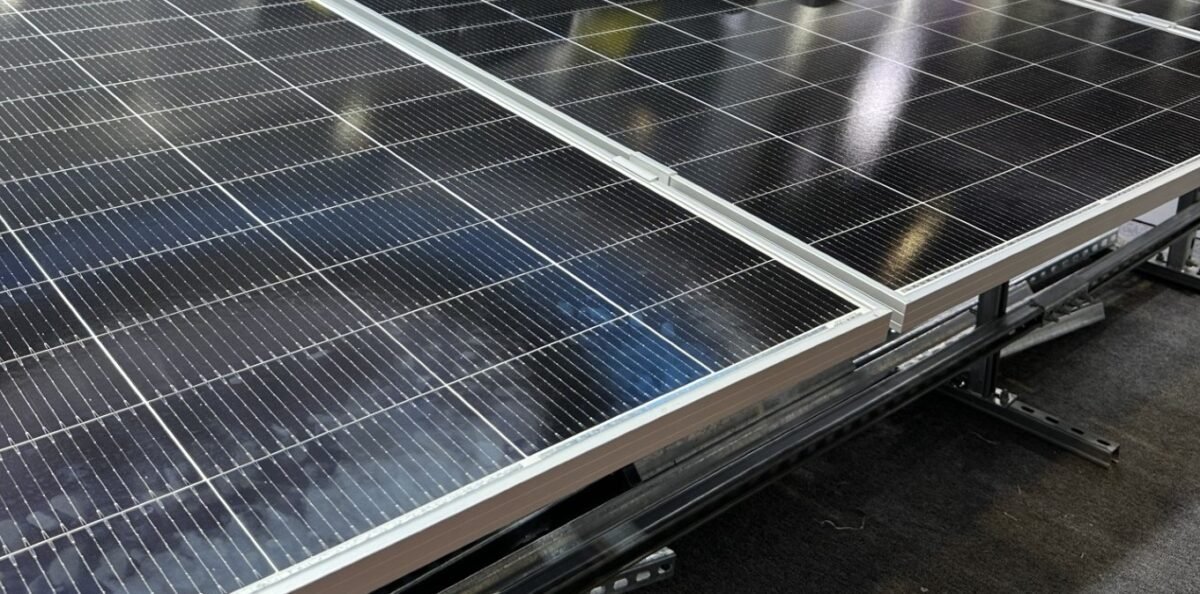
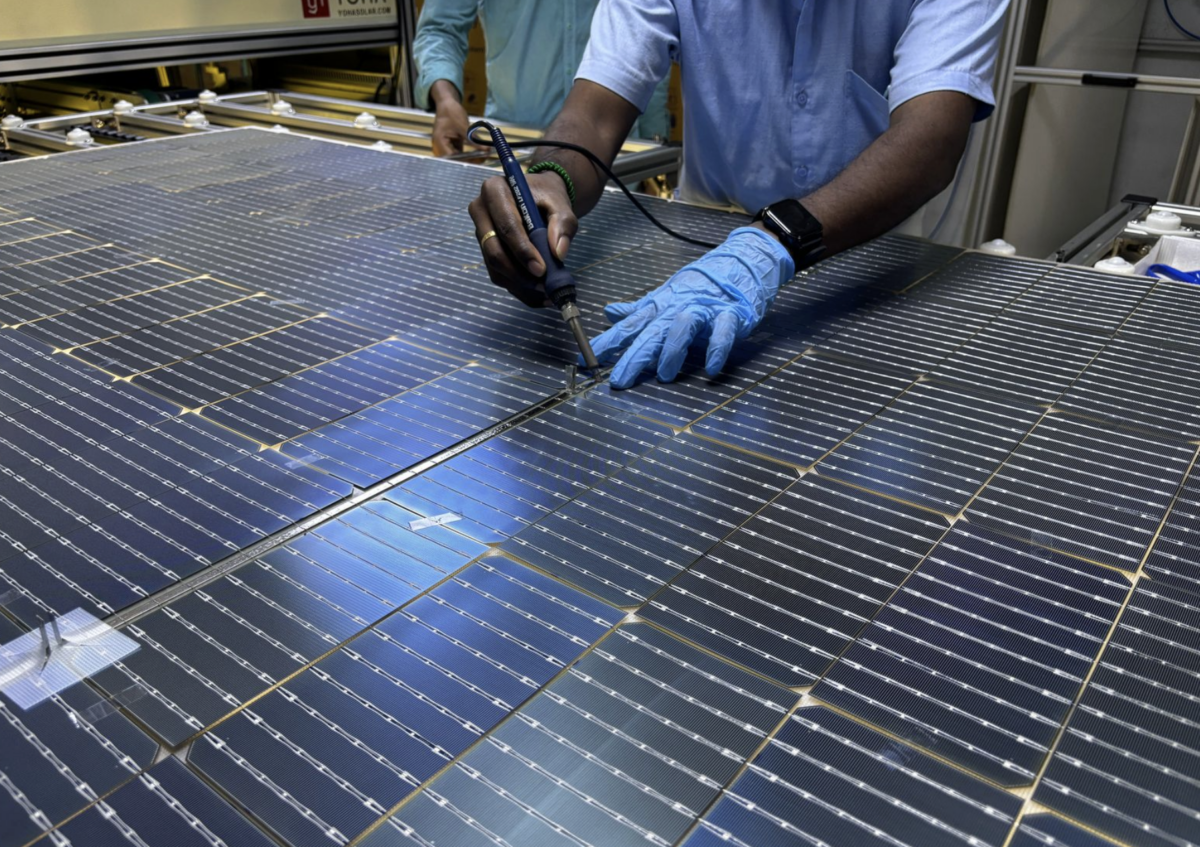
The Indian solar industry has achieved a major milestone — 100 GW of solar module manufacturing capacity. This capacity is enough to meet the country’s current demand, assuming 55-65% of those factories run efficiently. However, by March 2027, capacity could nearly double to 190 GW, flooding the market if exports don’t pick up.
The Dark Side of Overproduction
India installed 24 GW of solar in FY25, requiring around 50 GW DC of modules (accounting for those 1.2-1.4 DC/AC ratios). To hit 2030 targets, annual additions must reach 40-50 GW, meaning a steady demand for ~100 GW modules. So, why build 190 GW? Someone’s betting big on exports that might not materialize.
The US Export Slowdown Stings
Indian module exports dropped to just 4 GW in FY25, thanks to Uncle Sam’s policy shifts. The ‘One Big Beautiful Bill’ phased out solar tax credits, and FEOC rules forced Indian manufacturers to set up US factories. ‘It’s like playing chess with someone who keeps changing the rules,’ quipped a Gujarat-based manufacturer. The impact of US solar policy on Indian imports is a pressing concern.
Cells: The Weak Link?
While modules boom, India’s cell capacity lags at 26 GW DC — less than a third of module capacity. We’re still importing cells, but ALMM-II could flip the script. From August 31, 2025, bids must use ALMM-approved cells, squeezing out imports. Commercial and industrial projects under net metering? Also ALMM-only. Domestic cell makers are grinning; project developers? Not so much.
Price Hikes on the Horizon?
With 115 GW cell capacity expected by 2027, India should achieve self-sufficiency…eventually. Until then, DCR cell shortages might spike project costs. Remember 2023’s 15% price jump? Déjà vu could dampen bidding enthusiasm. The need for solar waste management and recycling is becoming increasingly important.
Silver Linings (No Pun Intended)
Oversupply fears aside, this glut could slash module prices, accelerating rooftop solar adoption. ‘The ALMM push ensures quality — no more shady imports,’ notes a Bangalore installer. And hey, if all else fails, maybe Southeast Asia needs cheap modules?
Bottom line: India’s solar story is part triumph, part cautionary tale. Build capacity, but mind the demand curve. The future of India’s renewable energy sector depends on it.