India Achieves 100 GW Solar Module Manufacturing Capacity Milestone
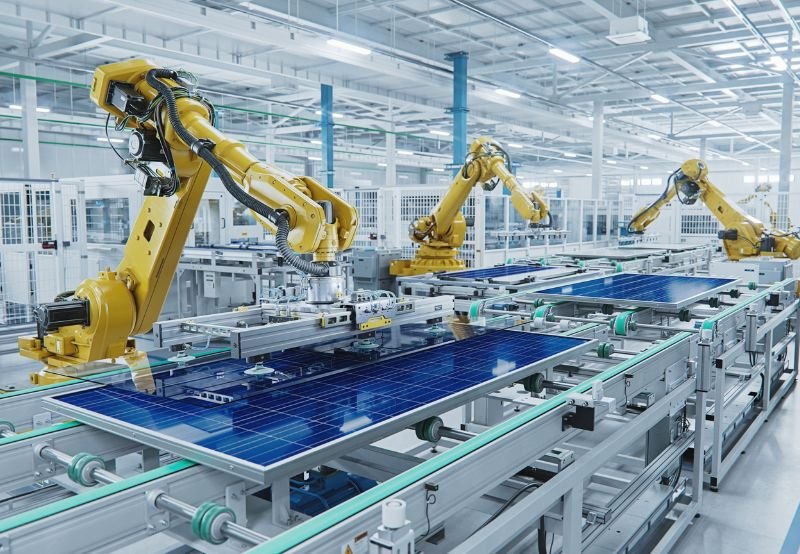
India has officially reached 100 GW of solar module manufacturing capacity under the Approved List of Models and Manufacturers (ALMM) scheme – a remarkable 43x growth from just 2.3 GW in 2014. Union Minister Pralhad Joshi announced this landmark achievement, signaling India’s emergence as a global solar manufacturing powerhouse.
From 2.3 GW to 100 GW: India’s Solar Manufacturing Journey
India’s solar sector has undergone a complete transformation since 2014 through strategic policy interventions. The ALMM scheme has been crucial in ensuring quality standards, while production-linked incentives (PLIs) have boosted domestic manufacturing. Combined with falling global solar panel prices, these measures created ideal conditions for explosive capacity growth.
Why ALMM Quality Standards Matter
The ALMM isn’t just bureaucratic compliance – it’s transformed India’s solar reliability. By certifying manufacturers, it eliminates substandard panels that underperform or fail prematurely. This quality assurance gives developers confidence in long-term project returns with reduced maintenance issues.
Transforming Solar Project Economics
With robust local manufacturing, solar projects can now avoid costly import dependencies. The pandemic-era supply chain disruptions showed the risks of reliance on foreign suppliers. India’s solar manufacturing boom enables faster project execution with predictable domestic supply chains and lower logistics costs.
The Road Ahead: Meeting Growing Demand
While 100 GW is significant, India’s renewable targets demand even more. The country aims for 500 GW of renewable capacity by 2030, requiring continued expansion across the solar value chain – from modules and inverters to batteries and skilled labor.
Future Outlook: From Self-Sufficiency to Global Leadership
India’s solar manufacturing growth positions it for global opportunities. With continued policy support, the nation could become a manufacturing hub serving Southeast Asia and Africa. This 100 GW milestone isn’t the finish line – it’s a stepping stone toward larger ambitions in the global energy transition.