GERC Solar Ruling: Gujarat Banking Charges and Industry Impact
The Gujarat Electricity Regulatory Commission (GERC) has upheld controversial banking charges for solar projects commissioned after a policy cut-off date, sparking industry-wide debate. This pivotal decision directly affects Gujarat solar projects, including Sekhani Industries’ petition against Uttar Gujarat Vij Company Limited (UGVCL) regarding disputed electricity bill charges.
Understanding Gujarat’s Solar Banking Charges
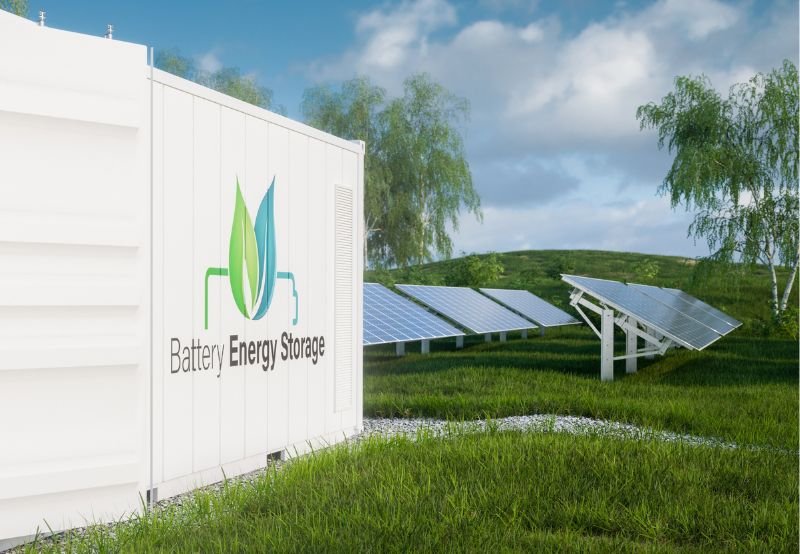
Banking charges represent fees utilities impose when solar customers deposit excess energy with the grid. Imagine storing leftovers in a refrigerator – except here, the grid functions as your temporary battery. While Gujarat initially offered banking with minimal fees, the commission has implemented stricter regulations for newer projects.
The Critical Policy Cut-Off Date
Projects commissioned after the policy deadline now face significantly higher operational costs. Industry stakeholders remain divided – some argue this discourages new solar investment, while others maintain it prevents grid overload. The situation mirrors California’s 2020 net metering reforms in its transitional challenges.
Solar Economics in Gujarat: Short-Term Challenges vs Long-Term Benefits
While banking charges increase upfront costs, Gujarat’s solar tariffs still outperform traditional diesel generators. A 500 kW system utilizing advanced inverters might extend payback from 5 to 7 years, but energy reliability remains essential for industrial operations like Sekhani Industries.
Key Developer Considerations
- Review project timelines carefully – latecomers must budget for banking fees
- Consider hybrid systems to reduce grid dependence
- Engage in policy discussions – GERC hearings allow stakeholder input
This ruling doesn’t signal the end of Gujarat’s solar boom, but rather a new phase of development requiring adaptation. The renewable energy sector has consistently demonstrated its ability to evolve with changing regulations.