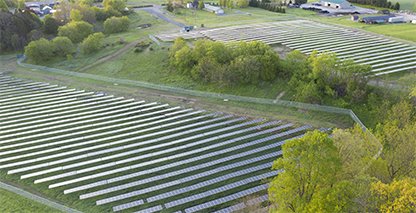
PowerBank Energizes 3.79 MW Geddes Solar Farm in New York
PowerBank Corporation has flipped the switch on its largest U.S. solar project yet—the 3.79 MW Geddes Solar Power Project in upstate New York. Built on a former landfill, this utility-scale installation proves that even less-than-ideal land can become a clean energy goldmine. Here’s what makes it noteworthy.
Why Repurposed Landfills Make Solar Sense
Brownfield sites like old landfills often sit vacant because nobody wants to build houses on them. But solar? That’s a different story. With shallow foundation requirements and no need for soil penetration, PV systems turn these problem areas into productive assets. The Geddes project avoids using pristine farmland—a growing concern as solar expands. A shift towards rooftop solar arrays and repurposed landfills is becoming increasingly important.
How the Numbers Stack Up
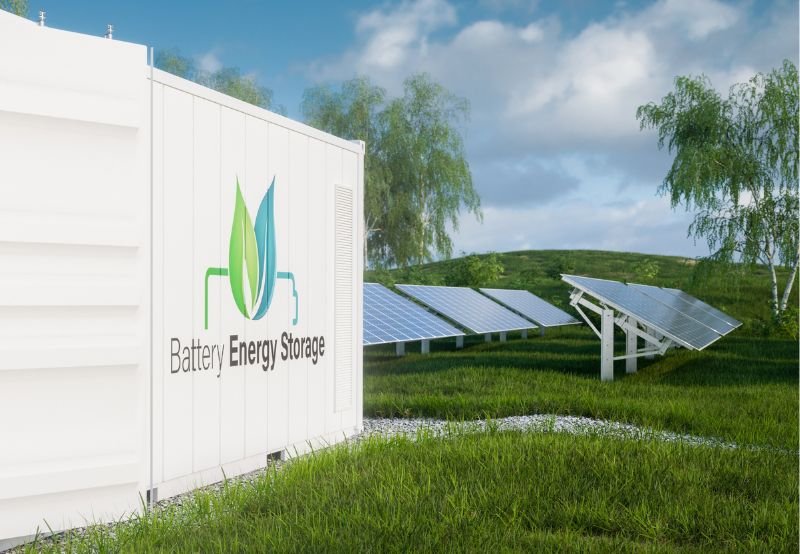
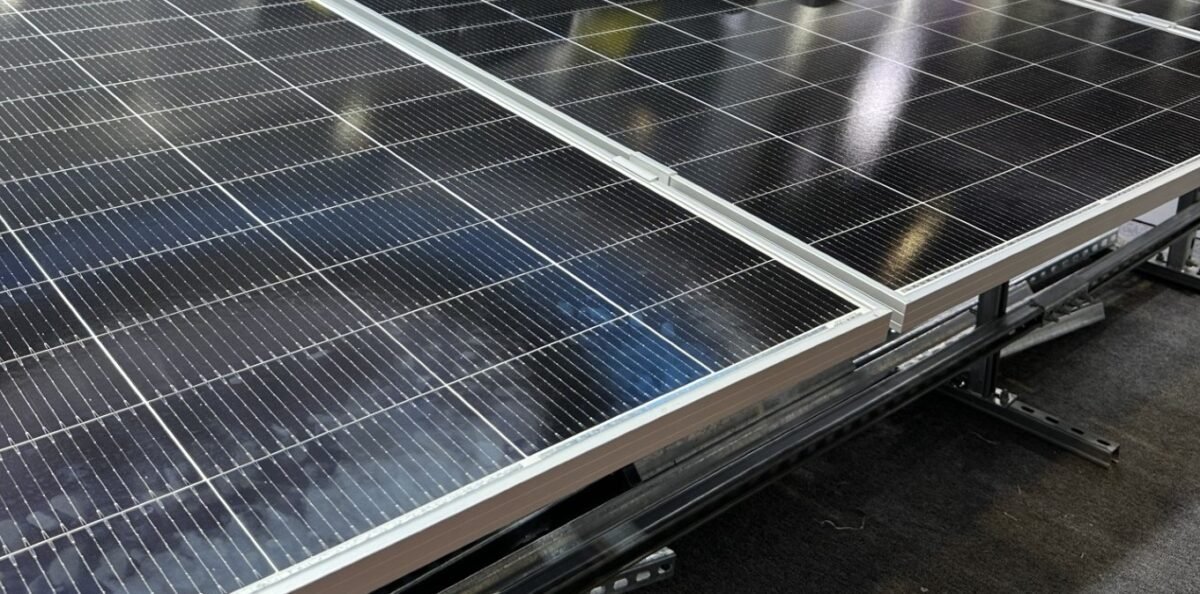
At 3.79 MW, this array can power roughly 600 New York homes annually. It uses bifacial solar panels that capture light on both sides, alongside Fronius inverters for maximum efficiency. The real kicker? PowerBank’s dual-tracking financial model means they’ll sell some energy to the grid while storing surplus in onsite Tesla Powerwalls for peak demand periods. This hybrid power solution enhances grid stability.
Dual Energy-Finance Strategy Explained
PowerBank isn’t just generating electrons—they’re playing the market. By combining grid sales with battery arbitrage, they hedge against price volatility. Imagine buying low (storing midday solar overproduction) and selling high during evening demand spikes. It’s like day trading, but with kWh instead of stocks. This approach can also be applied to green hydrogen production.
What This Means for New York’s Grid
Projects like this help balance the upstate-downstate energy divide. Downstate relies heavily on fossil fuels, while upstate hosts most renewables. More distributed generation means less strain on transmission lines—and fewer blackouts during heatwaves. Could this model work elsewhere? Absolutely. The integration of smart grid analytics will play a crucial role in the transition to renewable energy.
But What About Winter?
Snowy upstate winters might seem problematic, but solar panels actually perform better in cold temperatures (as long as they’re cleared of snow). The dark surfaces absorb heat, causing most snow to slide off within days. Meanwhile, the low angle of winter sunlight plays perfectly into bifacial panels’ strengths. Advances in solar panel technology continue to improve efficiency in various weather conditions.
This project exemplifies how solar isn’t just about being green—it’s about being smart with space, technology, and market timing. As New York pushes toward 70% renewables by 2030, expect more landfills to go from trash to treasure. The future of solar power generation looks bright, with projects like the Geddes Solar Farm leading the way.