Wisconsin Republicans Push for Community Solar and Local Permitting Reform
On September 15, Wisconsin State Senator Pat Testin (R-Stevens Point) and State Representative Scott Krug (R-Rome) introduced legislation to establish a community solar program in Wisconsin. Joined by JD Smith of Arch Electric and local advocate Rick Beyers, the bill aims to expand solar access while streamlining permitting processes. Here’s why this matters—and what it could mean for the Badger State’s energy future.
What’s in the Bill?
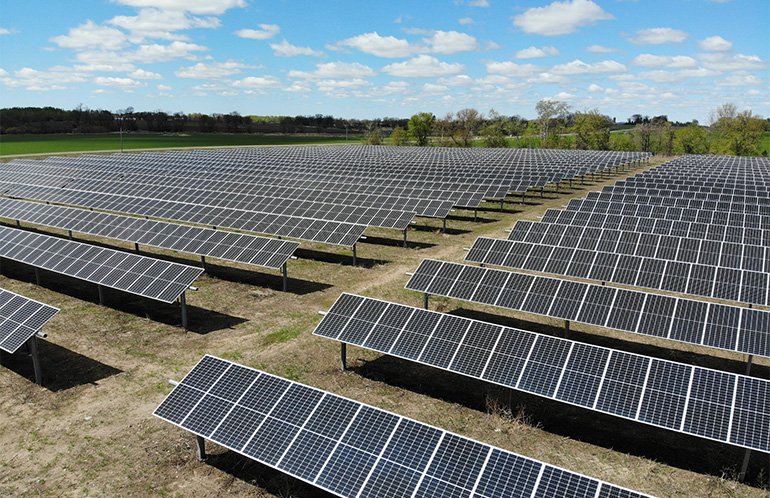
The proposed legislation would allow multiple customers to subscribe to a shared solar array, typically installed on nearby land or rooftops. Unlike traditional net metering, community solar lets renters, schools, and businesses benefit without installing panels on their property. Subscribers receive credits on their utility bills based on their share of the system’s output.
Local Permitting: Cutting Red Tape
Ever waited months for a solar permit? The bill tackles this by standardizing local permitting rules across Wisconsin. Think of it like switching from dial-up to broadband for solar approvals—fewer delays, lower soft costs. This mirrors successful models in states like Minnesota, where streamlined permits slashed project timelines by 30%.
Why Wisconsin Needs This Now
Wisconsin ranks 33rd in U.S. solar capacity, trailing neighbors Illinois and Michigan. High upfront costs and fragmented regulations have stalled growth. But here’s the twist: solar panels now cost 70% less than in 2010, making projects viable even in cloudy climates. A 2024 NREL study found Wisconsin could power 20% of its homes with community solar alone.
Objections and Answers
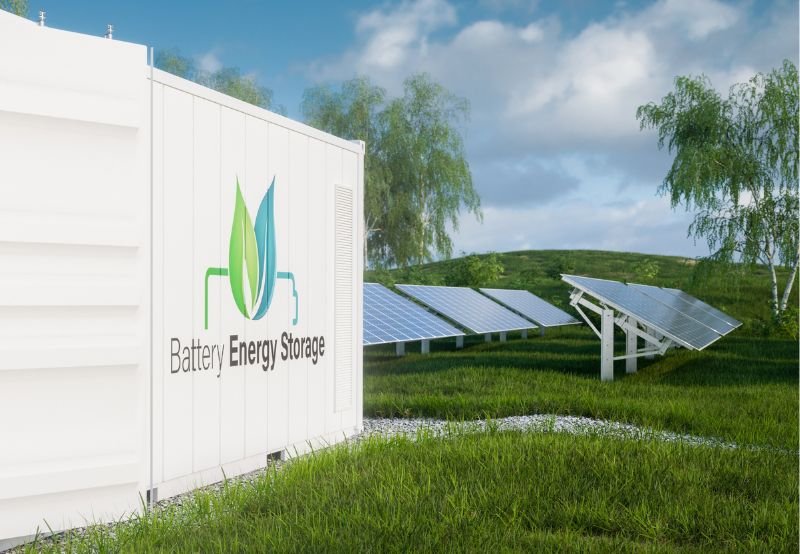
Some argue solar subsidies distort markets. Yet the bill uses a subscription model—no taxpayer funds needed. Utilities fret about grid management, but smart inverters like those from Fronius already handle intermittent generation seamlessly. As for reliability? Tesla Powerwall batteries are proving solar+storage works in snowstorms.
The Bigger Picture
This isn’t just about kilowatt-hours. Farmers could lease fallow fields for solar arrays, creating steady income. Schools might offset budgets with solar credits. And for every megawatt installed, Wisconsin could add 15-20 local jobs—mostly in construction and maintenance, where the state lost 8,000 positions since 2020.
What’s Next?
The bill faces committee reviews this fall. If passed, Wisconsin could see its first community solar projects by late 2026. Curious how this compares to your state’s policies? Drop a question below—we’ll tackle it in the next update.