Western Australia’s $4 Billion Renewable Energy Tenders: A Game-Changer for the Solar Industry
The Albanese Government has announced two new Capacity Investment Scheme (CIS) tenders worth $4 billion, aimed at boosting renewable energy in Western Australia. This move is set to revolutionize the solar industry, enabling grid reliability, consumer savings, and creating new project opportunities.
Unlocking Solar Potential in Western Australia
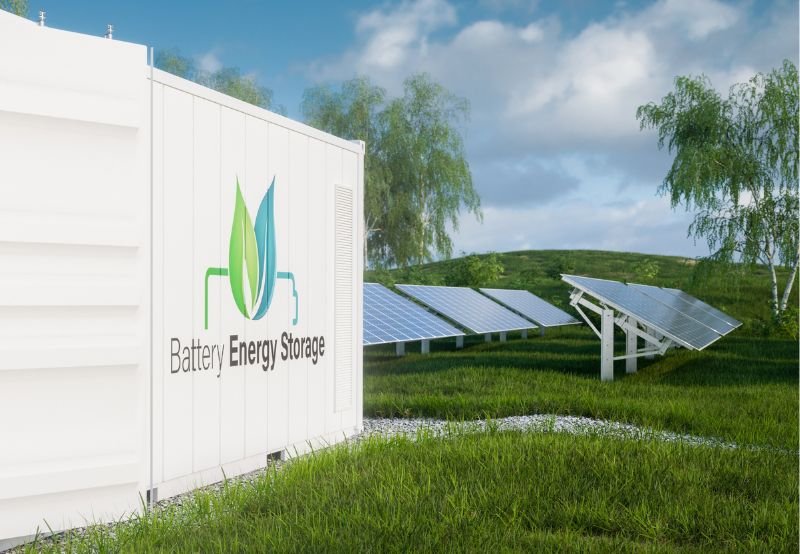
Western Australia’s energy grid has been in dire need of upgrades. The CIS tenders target 500MW of new renewable capacity paired with storage, focusing on utility-scale solar farms with advanced battery solutions like the Texas Powerwall or Fluence batteries. This initiative is expected to power 200,000 homes and create a surge in demand for residential solar solutions.
Addressing Grid Congestion and Energy Storage
Concerns about grid congestion are being addressed through the inclusion of $3 billion for grid upgrades, ensuring efficient energy transmission and reduced curtailment. This move is expected to increase profit margins for solar developers and enhance the overall efficiency of energy storage systems.
The Ribbon-Cutting of Solar Investments in WA
The tender submissions will kick off in March 2025, with the winning projects set to receive 15-year revenue guarantees underwriting 90% of costs. This assurance is expected to attract investors, who are eagerly awaiting the pre-bid conference details scheduled for next month. The solar EPC market is poised to boom as developers gear up to secure their share of the $4 billion investment.
The Market Outlook
Industry analysts predict a 12% drop in wholesale prices by 2030, making solar energy an attractive option for households and businesses alike. The ROI of solar projects will witness a significant boost, especially if incorporated with promising technologies like next-generation C&I solar inverters with optimizer compatibility. This will contribute to a crucial wave in society’s shift towards green energy, as the impact of green hydrogen generation becomes cheaper and more widespread in the region.