Watson Farley Guides £220m Green Loan for Pulse Clean Energy BESS
Watson Farley & Williams (WFW) just steered a £220 million green financing deal for Pulse Clean Energy’s battery storage projects. Banco Santander and other banks backed this move, signaling strong confidence in energy storage. But why does this matter for solar professionals? Let’s unpack it.
The Big Picture: Why Battery Storage Finance Is Heating Up
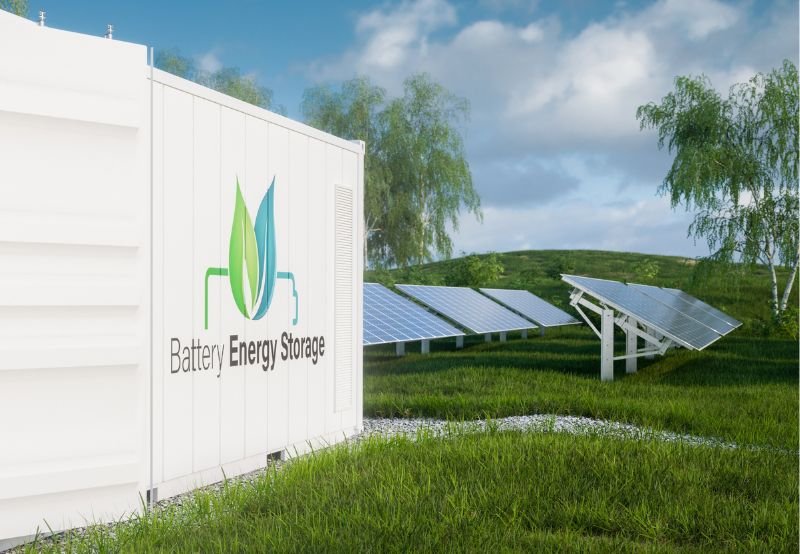
Battery energy storage systems (BESS) aren’t just backup plans—they’re becoming the backbone of renewable grids. Pulse Clean Energy’s portfolio now has the fuel to expand, thanks to this deal. Think of it like a Tesla Powerwall, but scaled for industrial use.
How Green Loans Change the Game
Green financing isn’t charity—it’s smart business. Lenders get lower-risk projects, developers access cheaper capital, and the grid gains stability. The terms often include ESG benchmarks, pushing projects toward higher efficiency. Solar farms with storage? That’s where the industry’s headed.
Behind the Scenes: Legal Eagles at Work
WFW’s role here wasn’t just paperwork. Structuring multi-lender deals requires navigating everything from grid connection agreements to revenue models. One hiccup? Storage projects often juggle multiple income streams—capacity markets, frequency response, arbitrage. Lawyers who ‘get’ energy storage are worth their weight in lithium.
What Pulse Clean Energy’s Move Tells Us
Their BESS portfolio isn’t small—this financing covers multiple UK sites. It’s a bet that Britain’s energy market will keep valuing flexibility. Remember when solar panels seemed pricey? Storage is following the same cost curve.
The Storage-Solar Symbiosis
Pairing solar arrays with batteries isn’t optional anymore. Without storage, evening demand spikes force fossil fuel backups. With it? Solar can cover more of the day’s load. Fronius inverters with battery-ready designs already hint at this future.
Challenges Ahead (Because Nothing’s Perfect)
Grid connections remain a bottleneck for many UK storage projects. Then there’s the question of hardware—some BESS systems still rely on scarce materials. But every industry has growing pains, right?
This deal proves storage financing is maturing fast. For solar developers watching, the message is clear: partnerships between legal experts, financiers, and tech providers make ambitious projects possible. What’s your storage strategy looking like?