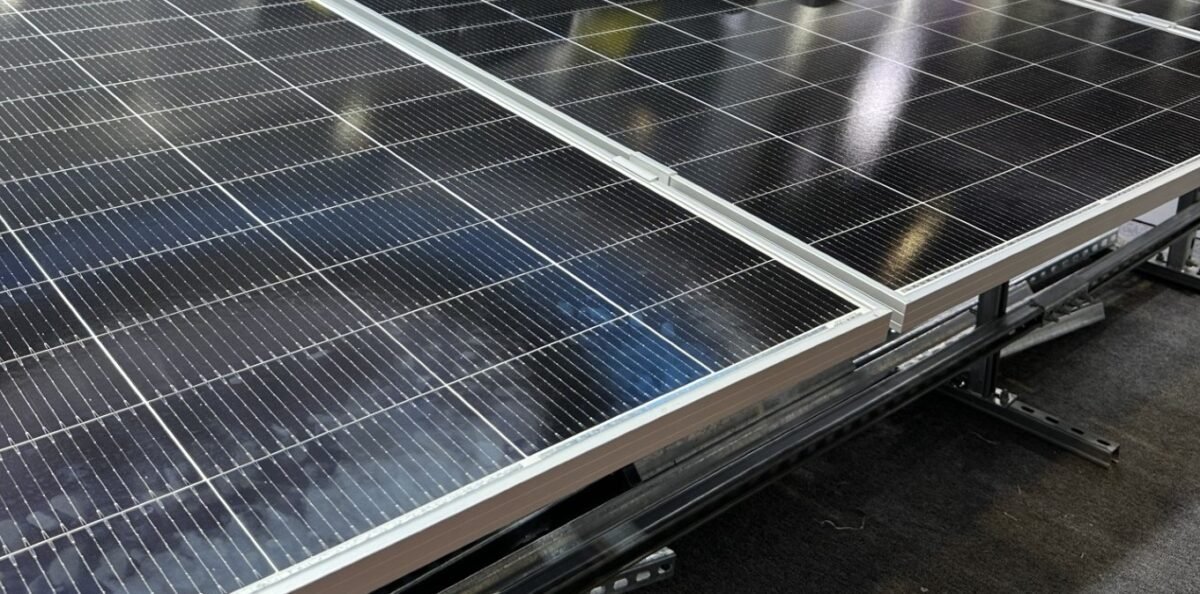
Uttarakhand UERC Blocks 50 MW Solar Project Due to Net Metering Issues
The Uttarakhand Electricity Regulatory Commission (UERC) has rejected a petition for a 50 MW solar power plant submitted by Van Panchayat Adhar Mafi, citing net metering complications. This decision impacts not just the petitioner—a collective of rural communities—but also sets a precedent for future solar projects in the region.
Why Net Metering Policies Matter
Net metering policies allow solar producers to feed excess energy back into the grid, offsetting their electricity bills. However, Uttarakhand’s current regulations lack clarity for large-scale projects exceeding 1 MW. The commission argued that integrating a 50 MW facility could destabilize the local grid infrastructure—despite Almora’s high solar potential with 300+ sunny days annually.
Hidden Costs of Going Big
While solar panels from brands like Adani Solar or Tata Power Solar promise efficiency exceeding 20%, their benefits diminish without proper grid support. Farmers hoped this project would slash their diesel generator dependence—those machines guzzle ₹90/liter fuel while solar costs just ₹2.5/kWh. Yet, UERC’s technical committee noted transformer overload risks during peak generation hours. Maybe lithium-ion batteries from Amaron could’ve helped, but that’d spike costs by 40%.
What’s Next for Uttarakhand’s Solar Dreams?
The rejection doesn’t mean solar’s dead here—it’s a wake-up call. Discoms need smarter inverters from Fronius or SMA that manage variable loads better. Policymakers could take cues from Rajasthan’s 10 MW-and-under community solar model. For now, Van Panchayat might downsize to 5 MW clusters qualifying under current net metering rules. Sometimes, smaller bites work better than swallowing the whole chapati at once.