US-India Solar Partnership Strengthens Energy Security Goals
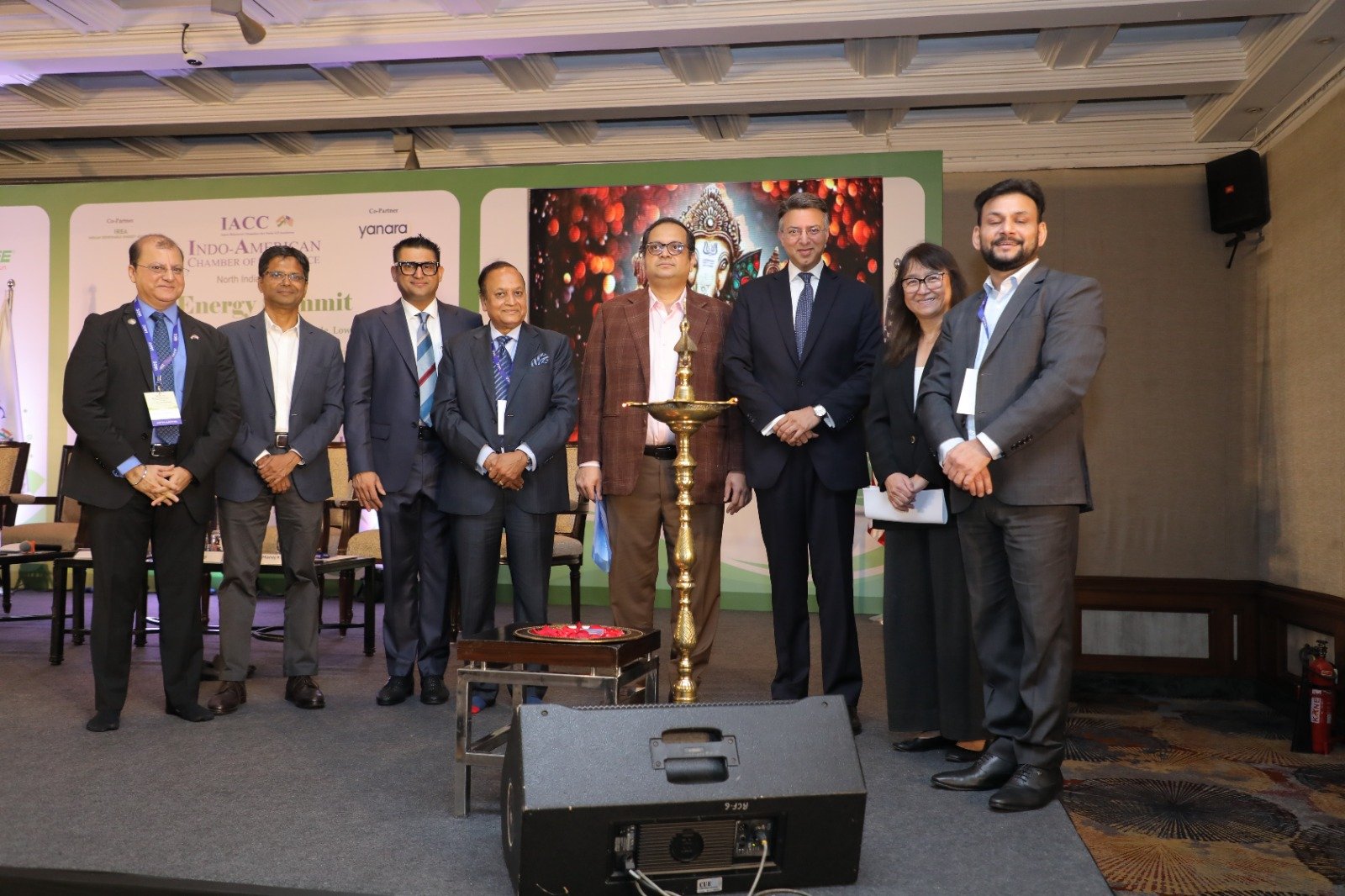
The US and India have reinforced their clean energy alliance, focusing on solar energy storage solutions. At the recent IACC Energy Summit, officials from both nations confirmed deeper collaboration on solar power. This partnership is expected to drive growth in the solar sector, with companies like Sungrow spearheading innovation in solar energy storage.
Enhancing Solar Capacity in India
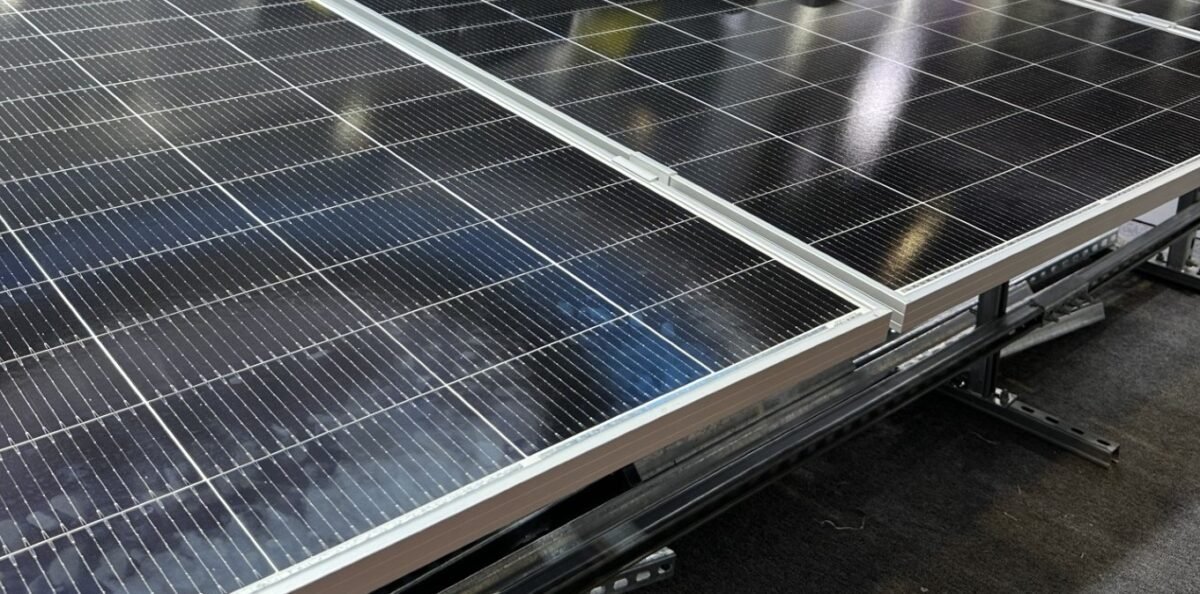
India needs 50 GW of renewable capacity annually to meet its 2030 targets. The US brings cutting-edge solar panel technology and financing muscle, while India offers scale with its massive domestic PV manufacturing push. The Canadian Solar EP Cube is an example of innovative solar panel technology that can support this growth.
Overcoming Energy Storage Challenges
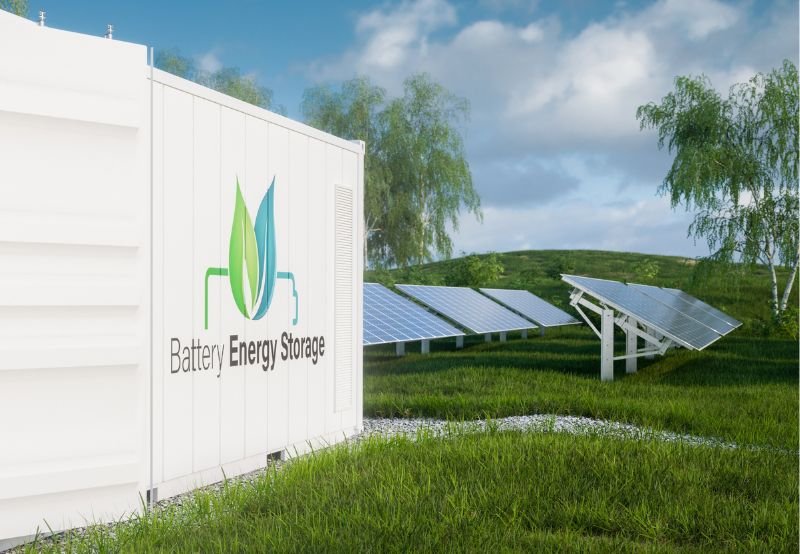
Solar panels alone won’t solve India’s evening peak demands. That’s where US firms like Tesla and Fluence come in—their battery systems are finally achieving price points that make sense for Indian industrial consumers.
Beyond Panels: The Supply Chain Game
Remember when solar module prices spiked 20% during the pandemic? Both countries want to avoid repeating that scenario. Joint ventures in polysilicon production and tracker systems could create a China-alternative supply chain.
Net Metering Reforms
Here’s something nobody’s talking about: US technical advisors are quietly helping Indian regulators redesign net metering policies. The goal? Balance utility concerns with rooftop solar growth.
Impact on Business
Project developers should watch for new blended finance instruments—think US EXIM Bank guarantees paired with Indian NBFC lending. Manufacturers might see faster approvals for dual-certified (BIS+UL) products. And for EPC teams? Standardized commissioning protocols could cut project timelines by weeks.
The partnership isn’t perfect. Some worry about too much American tech dominance, while others fear Indian red tape will stall progress. But with 30 million homes still needing reliable power, the potential outweighs the pitfalls.