US Conducts Anti-Dumping Probe on Indian Solar Cell Imports Amid Trade Tensions
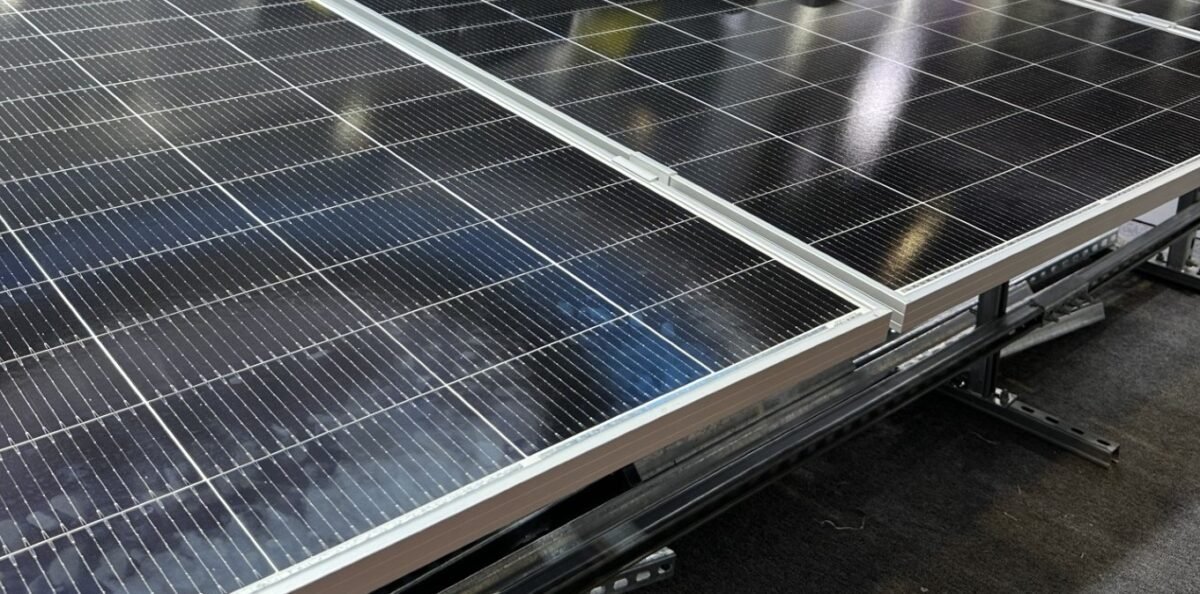
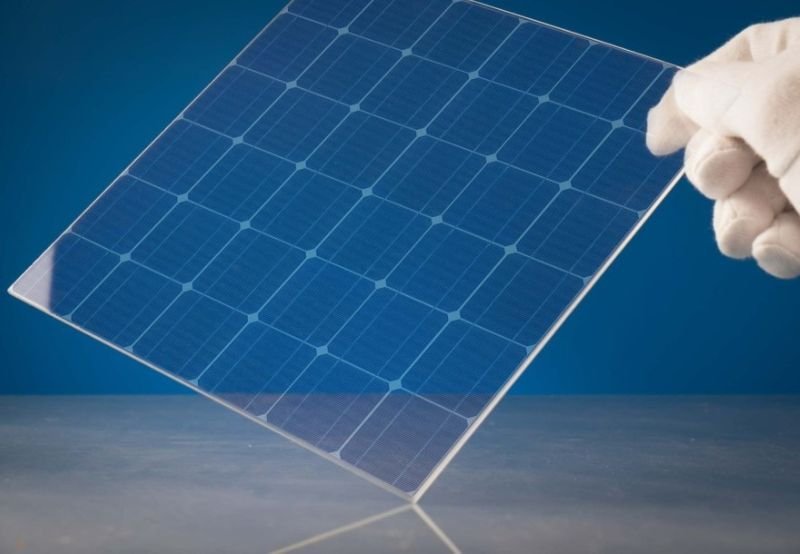
The US anti-dumping probe has sent shockwaves through the solar industry, targeting crystalline silicon photovoltaic cells from India, Indonesia, and Laos. As the Department of Commerce’s investigations unfold, market analysts warn of potential ripple effects across global supply chains and renewable energy projects.
Understanding the Solar Trade Investigation Dynamics
These dual investigations examine two critical trade violations: dumping (selling below fair value) and countervailable subsidies. The petitions, filed by domestic manufacturers, claim these imports hurt US solar producers. However, installers relying on affordable imported panels face potential project delays and cost hikes reminiscent of California’s 2020 solar rollout challenges.
Key Market Players and Potential Impacts
- US manufacturers seek trade protection to level the playing field
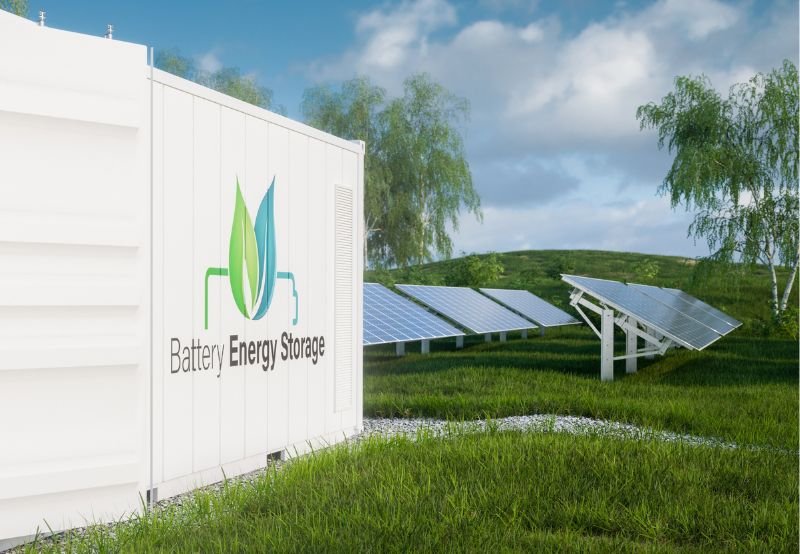
- Solar developers face potential cost increases for projects using energy storage solutions
- Indian exporters may pivot to European and other markets if tariffs are imposed
Timeline and Potential Outcomes
With preliminary findings expected by December 2024 (CVD) and February 2025 (AD), the solar industry braces for disruption. The probe comes as India’s solar manufacturing sector experiences significant growth, potentially complicating international trade relationships. Market observers suggest this may accelerate trends toward regional supply chains and localized production.
Broader Implications for Renewable Energy Sector
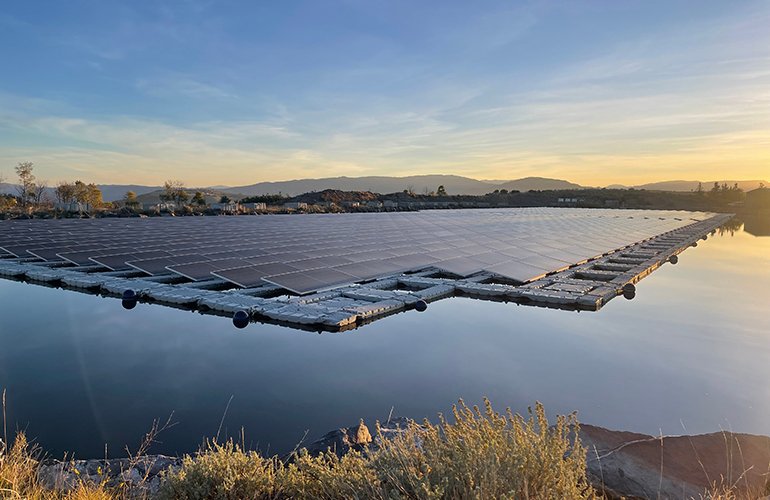
This case represents the latest front in growing renewable energy trade tensions, following similar actions against Chinese solar components. The outcome could influence investment decisions in both manufacturing capacity and project development, particularly for utility-scale solar farms and commercial installations seeking cost-effective equipment.