TotalEnergies Advances Iraq’s Solar Energy Expansion in GGIP Final Phase
TotalEnergies, along with partners QatarEnergy and Basra Oil Company, has kicked off the final phase of Iraq’s Gas Growth Integrated Project (GGIP). This initiative isn’t just about gas—solar power is also playing a crucial role, particularly in GGIP’s solar component. With Iraq’s abundant sunshine, it’s surprising that solar energy hasn’t taken center stage earlier.
Why Solar in an Oil-Rich Nation?
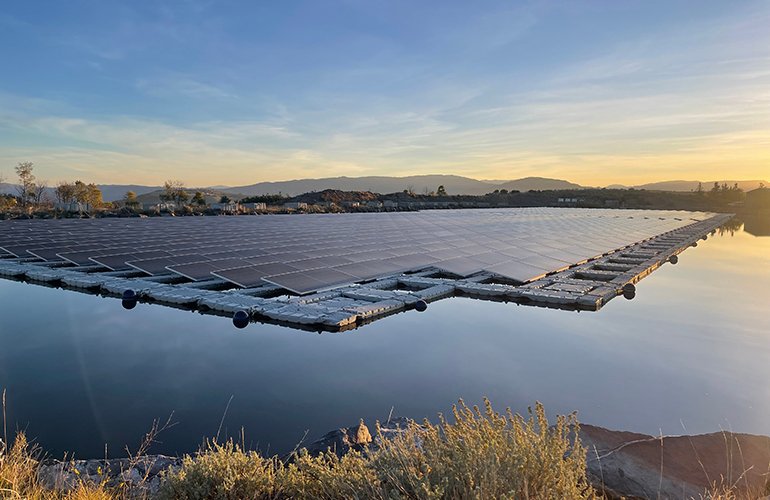
Iraq’s oil reserves are well-known, but even oil can’t solve everything. Grid instability and power shortages plague the country, especially during peak demand. Solar isn’t just an eco-friendly add-on; it’s becoming a necessity. The GGIP’s solar component could power over 600,000 homes, easing pressure on the grid, much like solar power has stabilized grids in other regions.
The Tech Behind the Project
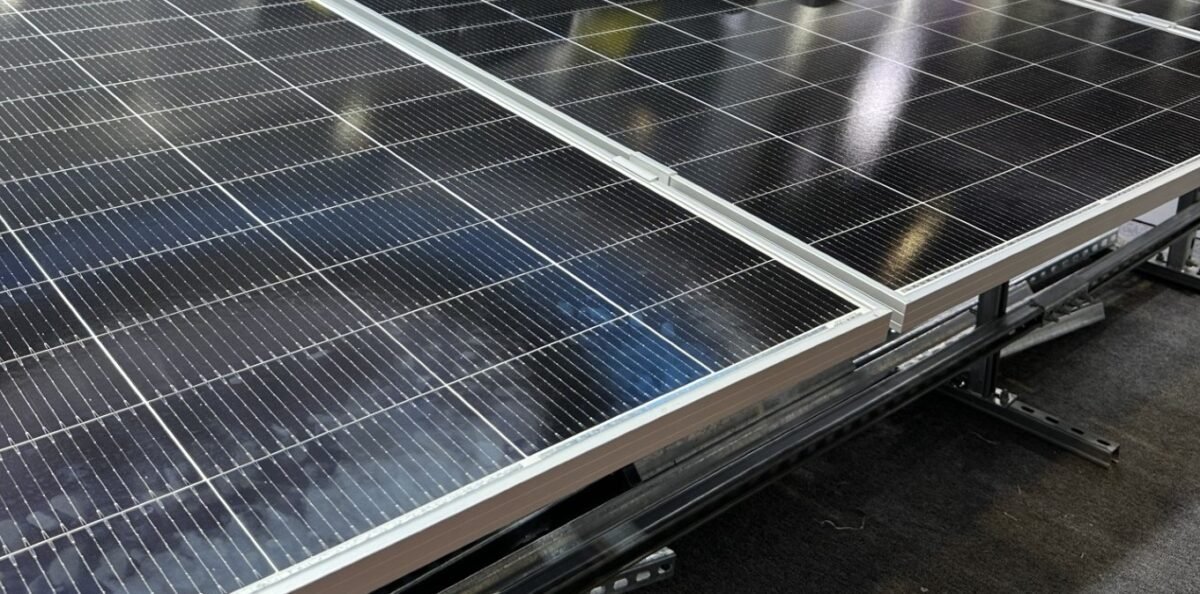
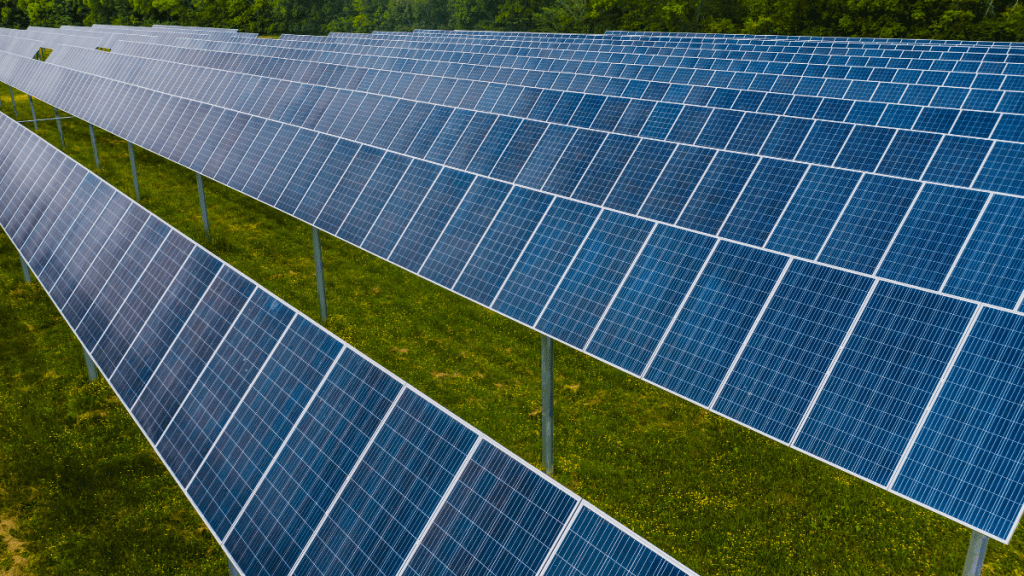
Expect the use of bifacial solar panels, likely from manufacturers like Longi or Jinko, which have shown efficiency and innovation in their designs. Pair that with inverters from companies like SMA or Huawei, and you’ve got a system built for Iraq’s sunny conditions, similar to the technology used in Waaree’s solar projects.
But What About the Gas Part?
The GGIP primarily targets flared gas capture—a smart move since Iraq burns a significant amount of gas annually, which could power millions of homes. By converting this waste gas to electricity and supplementing with solar, TotalEnergies is creating a hybrid energy mix. It’s not perfect, but it’s a pragmatic approach for a fossil-fuel-dependent economy transitioning toward renewables, a strategy also seen in other NTPC projects.
Challenges No One’s Talking About
Sandstorms can significantly reduce panel efficiency in minutes, and bureaucracy in Iraq’s energy sector can hinder progress. However, TotalEnergies’ experience in tough markets, such as their Mozambique LNG project, suggests they’ve factored these challenges into their plans, leveraging expertise in navigating complex regulatory environments, much like SECI has done in India.
The Bigger Picture for Solar Pros
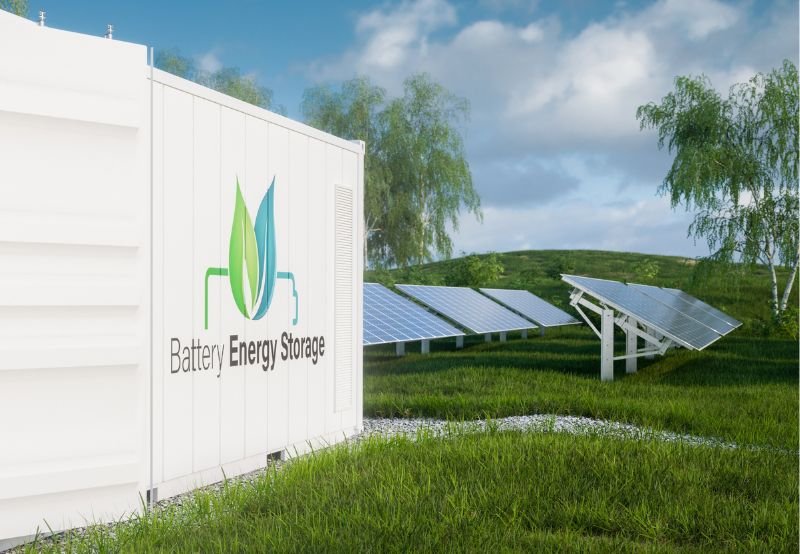
This project validates two trends: 1) Oil giants are no longer ignoring solar, and 2) Hybrid gas-solar plants could become a blueprint for energy-hungry developing nations. For solar installers eyeing the Middle East, watching how this project handles grid synchronization and battery storage will be essential, lessons that could apply from Algeria to India, as seen in Waaree Solar’s innovations.
Is Iraq the next solar hotspot? Maybe not tomorrow, but with projects like GGIP proving that hydrocarbons and photovoltaics can coexist, the energy mix is getting richer, one sun-drenched panel at a time, a trend observed globally in other solar projects.