TNB and Petronas Launch Green Hydrogen and Floating Solar in Malaysia
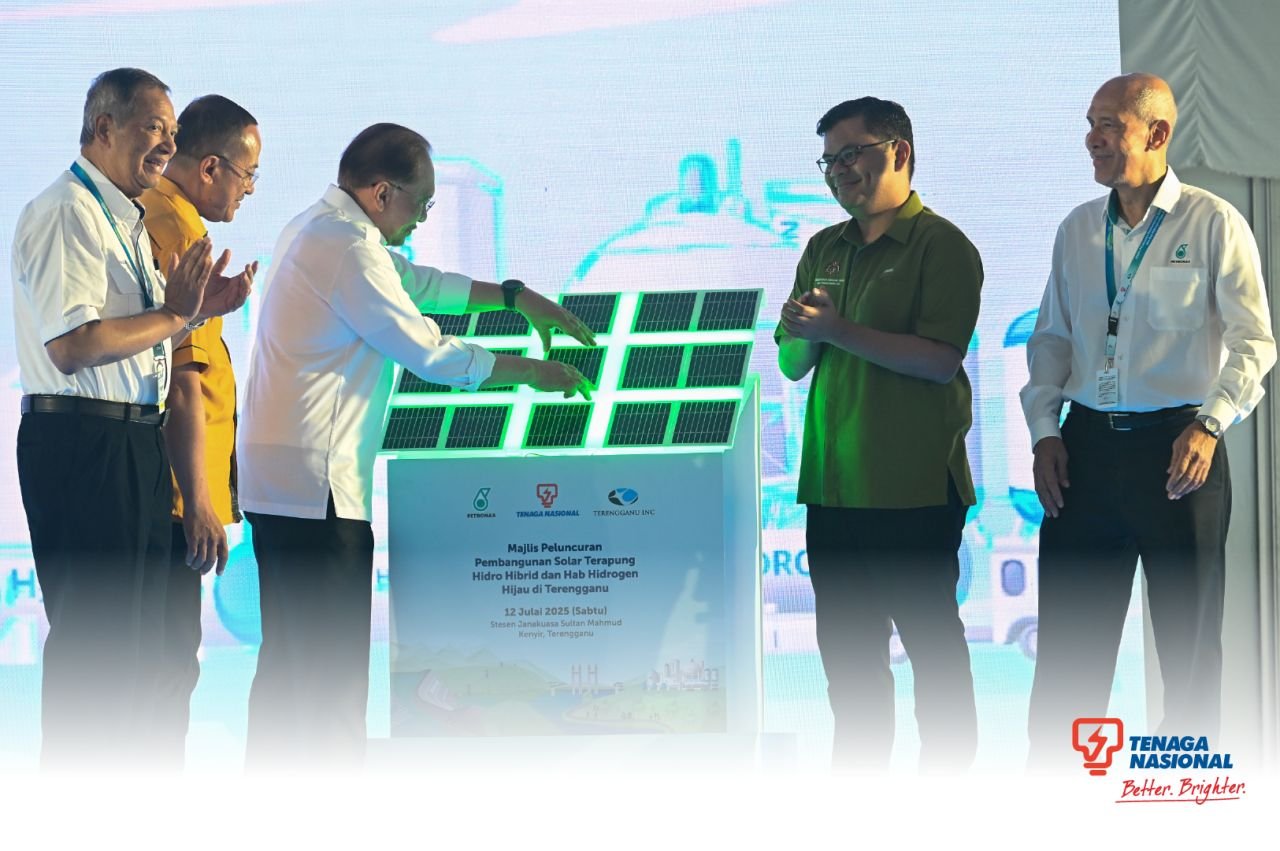
Malaysia’s energy sector reaches a critical milestone as TNB and Petronas pioneer solar-hydro hydrogen hub development alongside a hybrid hydro-floating solar project in Terengganu. This landmark collaboration supports Malaysia’s National Energy Transition Roadmap (NETR) with clean energy solutions that boost grid stability while reducing carbon emissions.
Why These Projects Matter for Malaysia’s Renewable Future
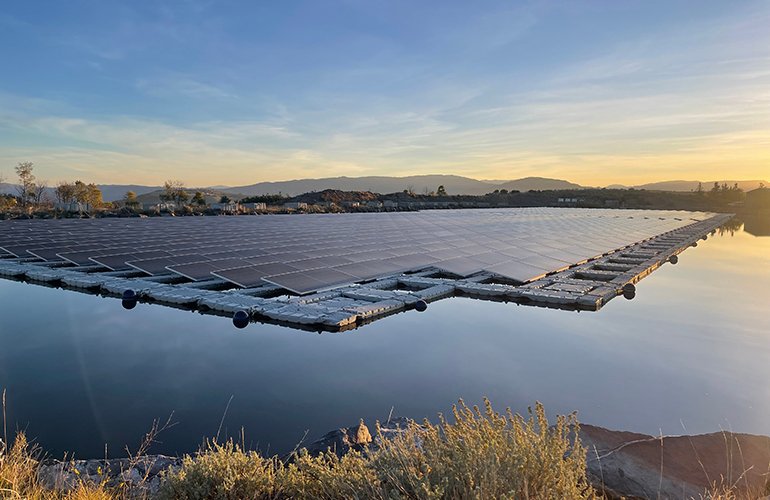
The dual initiatives demonstrate Malaysia’s commitment to innovative energy solutions. The green hydrogen facility will provide clean fuel for industrial applications, while the floating solar array leverages underutilized water surfaces – offering a model for distributed solar solutions in land-constrained regions.
Inside the Revolutionary Green Hydrogen Hub
Petronas brings its energy expertise to produce emission-free fuel through hydrolysis powered by renewable electricity. Unlike conventional hydrogen production, this green variant completely eliminates CO2 emissions – aligning with global decarbonization trends.
The Floating Solar Advantage
Hybrid hydro-floating solar offers multiple benefits:
- 10% efficiency gains from natural water cooling
- Existing hydropower infrastructure doubles as energy storage
- Minimal land use requirements
Water-based installations solve space constraints while boosting output through natural thermal regulation.
Overcoming Implementation Challenges
While critics highlight cost barriers, renewable technologies consistently outperform projections. Solar PV costs dropped 82% in the past decade – hydrogen and floating solar now follow similar downward trajectories as deployment scales up.
Malaysia’s Clean Energy Roadmap
These projects mark the beginning of Malaysia’s aggressive NETR strategy targeting 70% renewable energy by 2050. The government’s supportive policies and corporate partnerships position Malaysia as a regional leader in utility-scale renewable energy adoption across Southeast Asia.