Thailand’s Biofuel Boom in Maritime Decarbonization
Thailand is positioning itself as a clean energy investment hotspot with Bangchak Corporation and PTT scaling biofuel production. The maritime industry’s urgent need for cleaner alternatives aligns perfectly with Thailand’s abundant biomass resources.
Why Thailand Is Leading Asia’s Biofuel Revolution
Maritime shipping contributes 3% of global CO2 emissions – equivalent to Germany’s total output. With International Maritime Organization regulations tightening, cleaner alternatives are in high demand. Thailand’s agricultural byproducts offer an ideal feedstock for biodiesel and ethanol blends.
The Advantage of Second-Generation Biofuels
Unlike first-generation biofuels from food crops, Thailand focuses on renewable energy solutions using non-edible plant matter and algae. This approach avoids food supply competition while utilizing marginal land.
Challenges in Scaling Maritime Biofuels
- Bulky biomass transport requires infrastructure upgrades
- Production costs remain higher than traditional bunker fuel
- Limited port facilities for biofuel bunkering
Synergy With Other Renewable Technologies
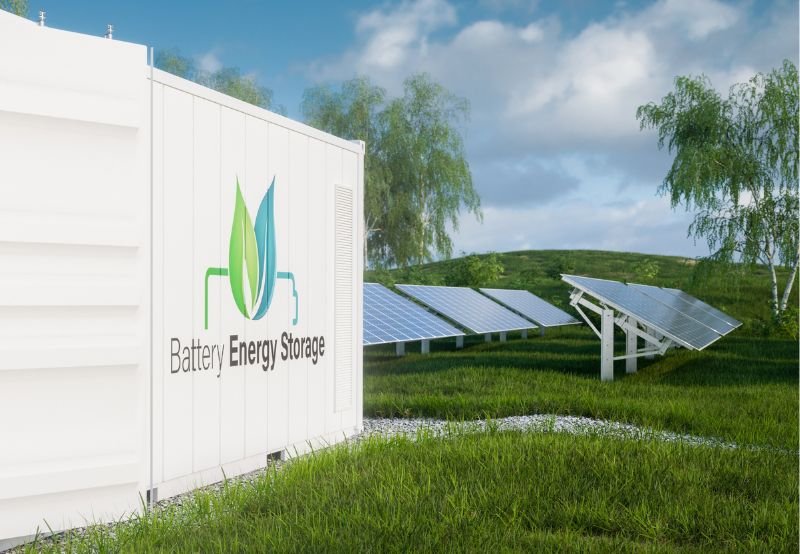
Biofuels complement solar and wind energy through hybrid systems. Solar arrays combined with biofuel generators can power port operations, while some biogas plants utilize solar thermal for fermentation optimization.
Investment Growth in Thai Bioenergy
Recent developments showcase Thailand’s commitment:
- Bangchak secured $200M green bonds for biorefinery expansion
- Government incentives matching those for rooftop solar installations
- Maersk testing biodiesel routes through the Malacca Strait
As global decarbonization deadlines approach, Thailand’s focused biofuel strategy demonstrates how local resources can drive sustainable maritime solutions.