Terrawatt Launches 250 MW Solar Project in Italy’s Ancona Region
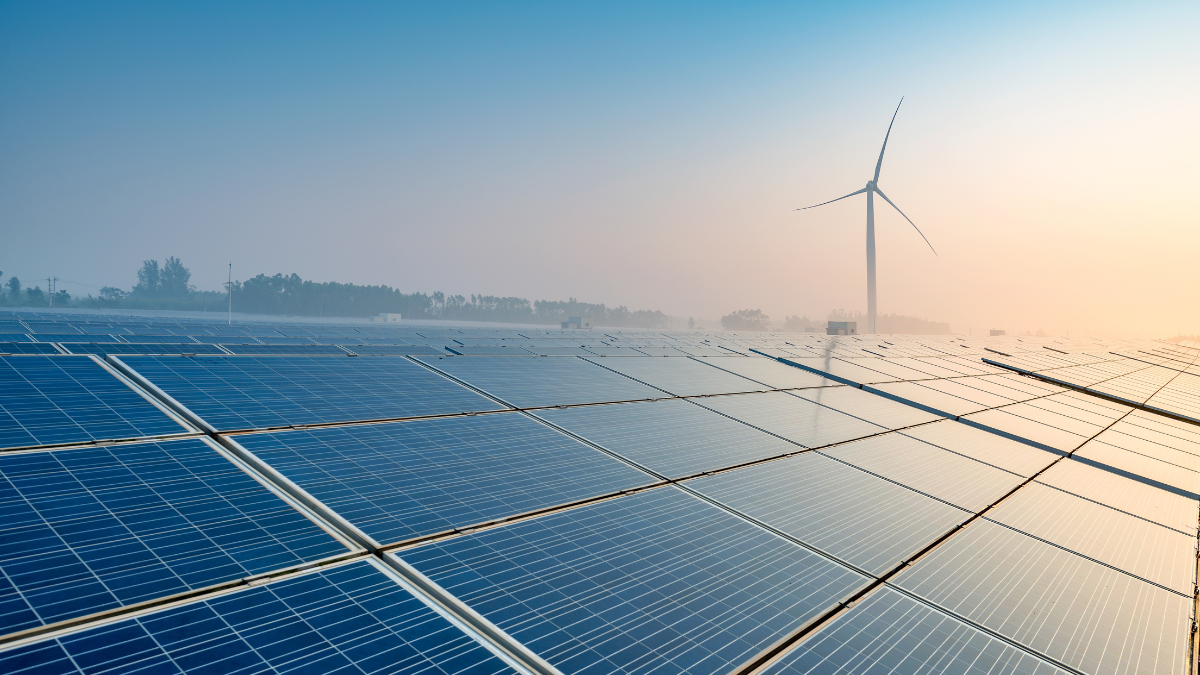
Rome-based renewable energy startup Terrawatt has kicked off construction of its first solar farm in Monte San Vito, Ancona—a pivotal move in its ambitious 250 MW Italian portfolio. This isn’t just another solar installation; it’s a statement about Italy’s growing appetite for clean energy. With photovoltaic technology advancing faster than ever, projects like this could redefine how Italy powers its homes and businesses.
Why Ancona? The Solar Sweet Spot
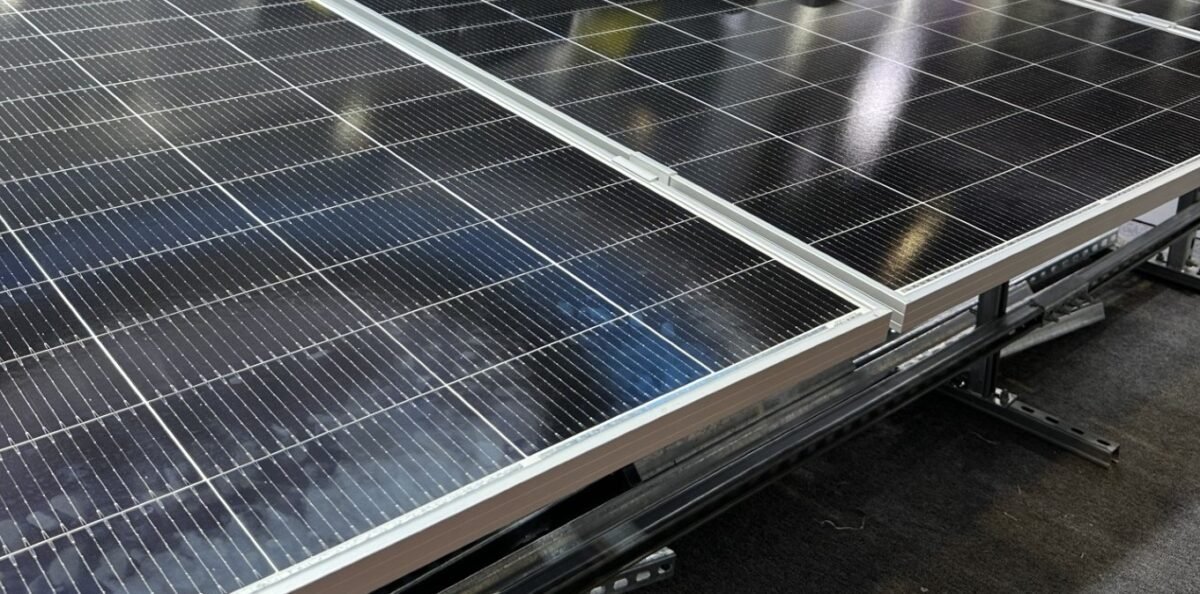
Ancona’s sun exposure rivals southern Italy’s, yet remains underutilized for large-scale solar. Terrawatt’s choice reflects shrewd geography—enough sunlight for high yields without competing for land with vineyards or olive groves. The first phase will use bifacial solar panels that capture light on both sides, potentially boosting output by 15% compared to traditional setups.
The Tech Behind the Terrawatt Project
Expect Huawei inverters and Trina Solar modules—workhorses of the industry known for reliability. What’s surprising? The site design incorporates ‘solar grazing,’ where sheep maintain vegetation under panels. It’s low-tech meets high-tech, solving maintenance headaches while supporting local agriculture.
Grid Challenges? There’s Always a But
Central Italy’s grid infrastructure wasn’t built for this solar influx. Terrawatt’s team admits they’re working closely with Terna (Italy’s grid operator) to upgrade substations. “It’s like adding a new highway exit where there was only a dirt road,” quips their lead engineer. Battery storage isn’t in phase one, though the land is prepped for future Tesla Megapacks.
The 250 MW Vision: More Than Megawatts
This Monte San Vito project is just the first of twelve planned across Italy. If completed, Terrawatt’s portfolio could power 85,000 homes annually. Interestingly, they’re sidestepping rooftop solar entirely—focusing instead on community-scale farms that share profits with municipalities through innovative PPA models.
What This Means for Italy’s Energy Mix
Italy currently gets 35% of its electricity from renewables, but solar accounts for just 8%. Projects like this could shift that balance dramatically. With feed-in tariffs fading, Terrawatt’s success hinges on achieving true grid parity—where solar costs match conventional power without subsidies.
The Human Angle: Jobs and Skepticism
Construction will create 120 local jobs—a big deal in a region where youth unemployment tops 25%. Still, some farmers worry about land use. Terrawatt’s response? Leasing rather than buying land, with contracts structured to allow eventual agricultural reuse if needed.