SECI and DRDO Partner for 300 GW Renewable Energy Projects
In a significant move that could reshape India’s renewable energy landscape, the Solar Energy Corporation of India (SECI) and the Defence Research and Development Organisation (DRDO) have signed a Memorandum of Understanding (MoU) to develop a staggering 300 GW of renewable energy capacity. This collaboration isn’t just about numbers—it’s about blending cutting-edge defence tech with solar innovation to tackle India’s energy challenges head-on.
Why This Partnership Matters
You might wonder, why team up a solar giant with a defence research agency? The answer lies in DRDO’s expertise in advanced materials and SECI’s knack for large-scale project execution. Together, they’re poised to overcome hurdles like land acquisition and grid integration that often slow down renewable projects.
The 300 GW Vision: More Than Just Solar Panels
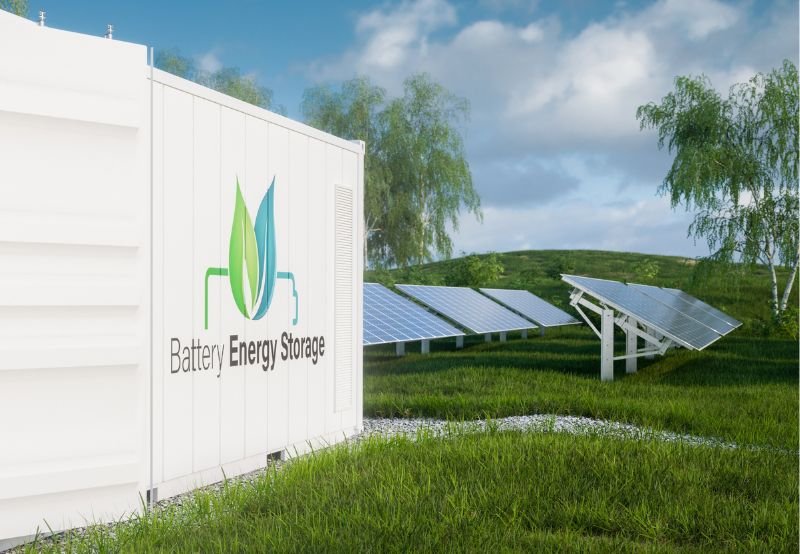
While solar panels will dominate the capacity, the partnership explores hybrid systems combining wind, battery storage (think Enphase IQ Battery 5P), and even hydrogen solutions. DRDO’s experience in portable energy systems for defence could lead to modular, disaster-resistant solar units ideal for remote areas.
Tech Meets Terrain: What’s New Here?
Unlike typical solar farms, this initiative might deploy:
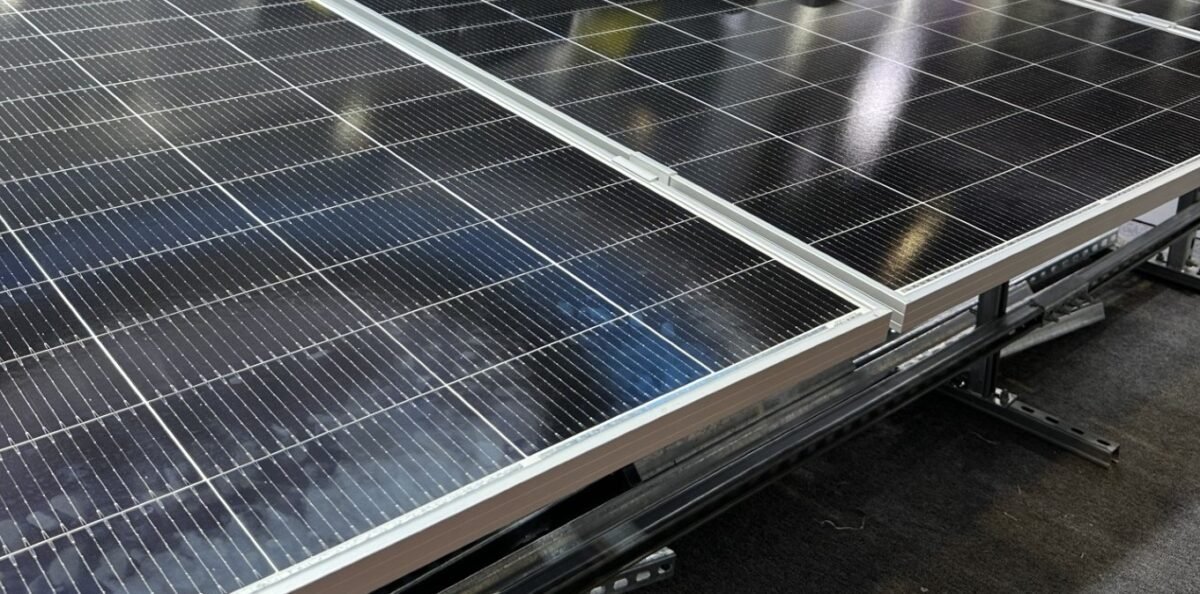
- Lightweight PV modules inspired by spacecraft technology
- AI-driven maintenance bots adapted from defence applications
- Grid-stabilizing inverters (like Fimer and Simtel’s solutions)
Remember how solar seemed too expensive a decade ago? These innovations could slash costs further, making renewables irresistible.
The Challenges Ahead
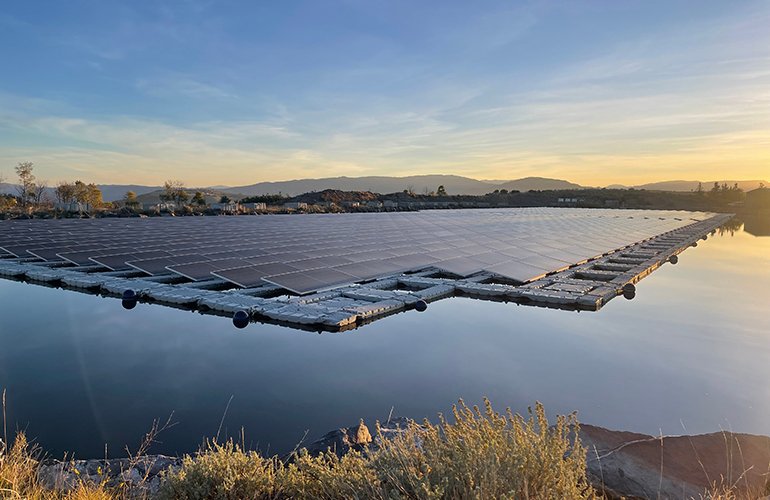
Land isn’t getting cheaper, and not every region has Rajasthan’s sunshine. The partners must balance ecology with energy needs—perhaps turning wastelands near DRDO facilities into power hubs. Financing 300 GW won’t be easy either, but SECI’s track record with ISTS schemes shows they know how to attract investors.
What This Means for Solar Professionals
For EPC contractors and O&M teams, this signals:
- New tender opportunities with tech-forward requirements
- Training needs for hybrid system maintenance
- Potential export opportunities as solutions mature
India’s solar story keeps getting brighter, one strategic partnership at a time.