Schneider Electric Powers Malaysia’s First Offshore Renewable Energy Hub
Malaysia has taken a significant leap in clean energy with the launch of CEFORE, the country’s first offshore renewable energy center. This innovative project is a collaboration between Schneider Electric, PETRONAS, and Universiti Malaysia Terengganu (UMT), aiming to revolutionize how Southeast Asia harnesses wind and solar power. CEFORE’s primary goal is not only to generate electricity but also to serve as a research powerhouse, tackling challenges from energy storage to grid integration.
Unlocking Offshore Potential
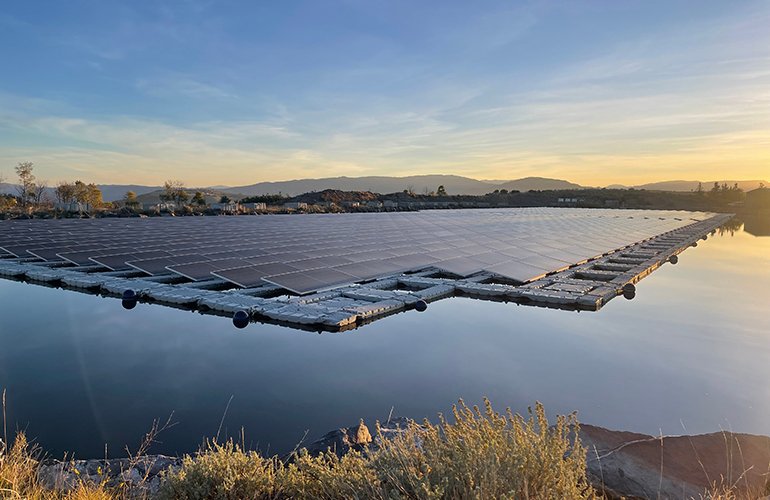
The decision to go offshore is strategic, capitalizing on the vast, unobstructed space available in the ocean. Offshore wind turbines and floating solar panels can generate up to 50% more energy than their land-based counterparts, thanks to stronger winds and unobstructed sunlight. This project explores the potential of hybrid systems, combining wind turbines with floating PV modules to maximize output, offering a two-for-one deal on clean energy.
Technology Behind the Scenes
Schneider Electric is deploying its EcoStruxure platform to manage energy flows smartly, predicting wind patterns, adjusting solar angles, and syncing with storage solutions like Tesla Powerwalls in real-time. PETRONAS brings its expertise in the oil and gas sector, pivoting towards sustainable energy solutions, while UMT focuses on training the next generation of engineers to keep this momentum going.
Addressing Challenges
Offshore renewables face unique challenges, including saltwater corrosion, typhoons, and grid instability. However, CEFORE is turning these challenges into opportunities. For instance, Malaysia’s monsoon winds, often seen as a hurdle, could actually supercharge turbine efficiency. The project is testing ruggedized solar panels and typhoon-resistant designs, turning weaknesses into strengths.
Impact on the Solar Industry
For professionals watching this space, CEFORE is a signpost. If a tropical nation can make offshore renewables work, imagine the global ripple effect. Countries like Indonesia and the Philippines could follow suit, creating a domino effect in ASEAN’s energy transition. Local communities stand to gain thousands of roles in maintenance, R&D, and manufacturing, highlighting the job creation potential of renewable energy projects.
Conclusion
CEFORE is not just another research center; it’s a bold statement that offshore renewables are viable, scalable, and essential. While the project may face bumps, as any solar pro knows, no breakthrough comes easy. Keeping an eye on Malaysia, this could be the start of something massive, making Sungrow advanced home battery solutions and other innovative solar technologies more accessible and impactful.